
If you’re planning a home remodel or addition in Florida, the first person you talk to can completely shape how your project unfolds—and sometimes, limit what you think is even possible.
Designing a home is really about designing for how you actually live. And the conversations you have at the very beginning tend to set the direction for everything that follows.
I was talking with a former client recently—someone I really enjoyed working with—and she said something that stayed with me:
“If I had known, I would have called you first.”
Her remodeling journey didn’t start with an architect. And because of that, it became much more complicated than it needed to be.
How It Started
She began by reaching out to someone she thought could help—either a contractor or an interior designer. From there, one person referred her to another, and the team gradually came together.
A drafter was brought in to prepare drawings, and she paid for those drawings, believing she was moving the project forward.
But when it came time to think about permitting, things started to fall apart.
She discovered:
- The drafter was not a licensed architect
- The contractor was not licensed
- There were issues around who could pull a permit
At the same time, she became increasingly uncomfortable with the interior designer relationship. It began to feel like decisions were being driven by something other than her goals for the project.
She had invested time and money, but didn’t feel any closer to the outcome she wanted.
What She Was Trying to Do
Her home had four bedrooms, and each one served an important purpose.
- A small primary bedroom with a very small bathroom
- A full-time home office for her
- A smaller, part-time home office for him
- A guest bedroom that was used frequently
Keeping all four bedrooms was important.
She wasn’t looking for more space just for the sake of it—she was trying to make the home work better for how they actually live day to day.
But the only solutions she was being given were limited to working within the existing footprint of the house—an interior-only remodel.
That approach didn’t fully address the problem. She needed a larger, more functional primary suite, and expanding the home seemed like a logical direction—but it wasn’t being seriously considered.
When We Met
Eventually, she reached out to me.
We started with a phone call, and then I met her at the house for an in-person consultation.
Walking through the house together made all the difference.
I asked questions about how they used each space, what was working, and what wasn’t. We looked at how the rooms related to each other, where natural light was coming from, and how the home could better support both daily routines and the times when they had guests.
As we explored options, it became clear that the space they wanted couldn’t be achieved within the existing footprint.
To create a primary bedroom, bathroom, and closet that truly worked for them, we needed to expand the home.
The Design Became Clear
From there, the process became more focused.
We looked at two primary options:
- An addition onto the back of the house
- An addition onto the side of the house
We also evaluated how much of the existing layout to keep and where it made sense to make changes.
Because the goals were clear, the decision-making process became much easier. The direction we established early on carried through the rest of the design process with only minor refinements.
And ultimately, that’s what was built.
They are extremely happy with the result. The home now supports how they actually live—everyday routines, working from home, and welcoming guests—without feeling cramped or compromised.
If you’re in the early stages of thinking about a remodel or addition, it can help to slow the process down at the beginning and get clear on what you are actually trying to solve before decisions start getting made.
CLICK HERE FOR LINK TO Project Planning Pack
I put together a Project Planning Pack to help homeowners think through scope, priorities, and how their home really needs to function before design decisions begin.
What Homeowners Should Know
Part of what made this experience so challenging is that the roles in residential projects aren’t always clear.
And in Florida, that can add another layer of confusion.
Non-architects can design single-family homes.
Florida—like most states—allows non-architects to design single-family homes, whether new or remodeled.
However, that doesn’t necessarily mean they are evaluating the full scope of the project or exploring all of your options.
Structural changes still require licensed professionals.
Projects involving additions or modifications to exterior walls require signed and sealed drawings from a licensed architect or engineer—especially important in a hurricane-prone region.
Contractors should be licensed.
Most construction work requires a licensed contractor, with limited exceptions for minor, non-structural work.
Interior designers have a different role.
Interior designers can be a valuable part of the team, particularly for interior layouts, finishes, and furnishings.
However, designing additions or new homes—especially where structure and exterior changes are involved—is outside their scope of practice.
Not everyone who draws plans is an architect.
Drafters can prepare drawings, but they are not licensed architects and should not represent themselves as such.
A Quick Note About Permits
Another issue that can arise is who applies for the permit.
In most cases, the contractor should be the one pulling the permit.
If a homeowner is asked to do this instead, it’s important to understand why.
- An unlicensed contractor cannot pull a permit
- In some cases, a licensed contractor may ask the homeowner to do so, which can shift responsibility to the homeowner
That can include responsibility for coordinating inspections and ensuring the work complies with code.
Start With the Right Conversation
My client’s experience is not unusual.
She didn’t make a mistake—she simply didn’t have the information she needed at the beginning.
Once we stepped back, looked at the whole picture, and aligned the design with how they actually live, the path forward became clear. And just as importantly, it became straightforward to move through the design process with confidence and direction.
That clarity is really what makes the difference in a project like this.
Because when you start with the right questions—and the right kind of conversation—you don’t end up chasing solutions that only work within limitations that don’t actually fit your life.
If you’re considering a remodel or addition, especially one that involves rethinking how your home functions or how long you want to live there comfortably, the most helpful first step is simply having a design conversation.
Not about finishes. Not about fixtures. But about how you live in the space—and what the home needs to support that.
Thinking about a remodel or addition?
Before you start making decisions or talking to multiple people, it can help to get clear on what you are actually trying to solve at the beginning of the process.
I put together a Project Planning Pack to help homeowners think through scope, priorities, and how their home really needs to function before design decisions begin.
👉 Download the Project Planning Pack
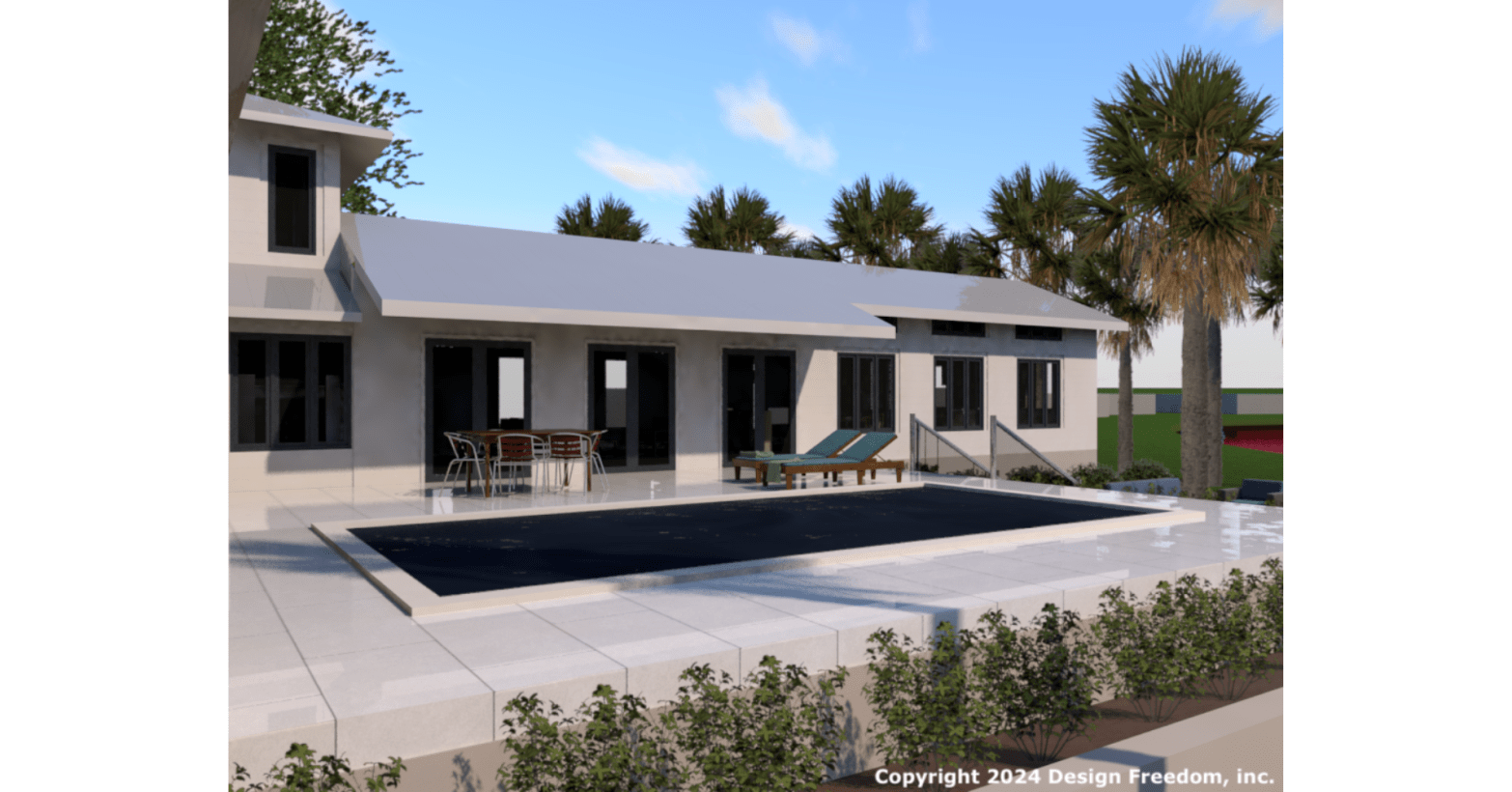
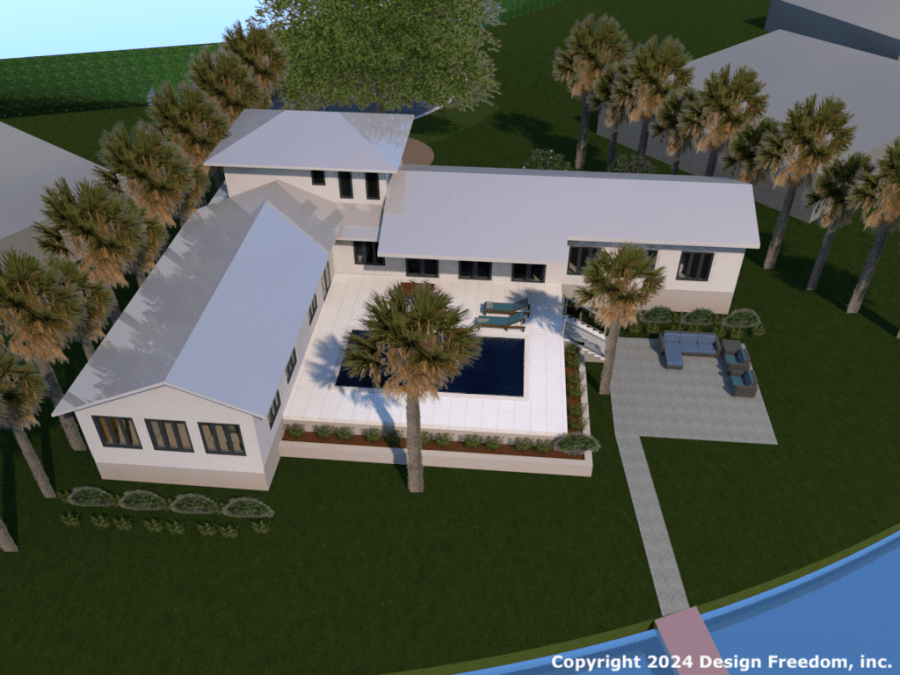
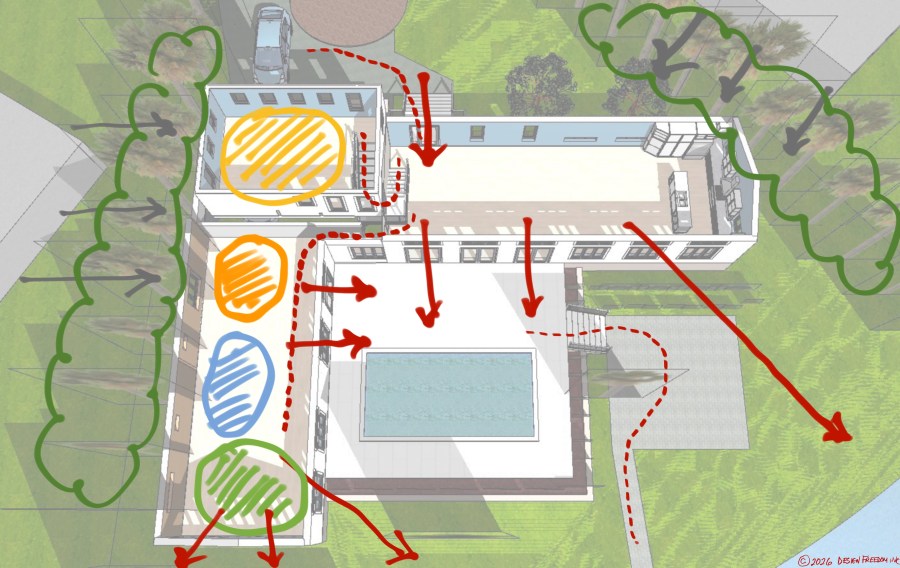
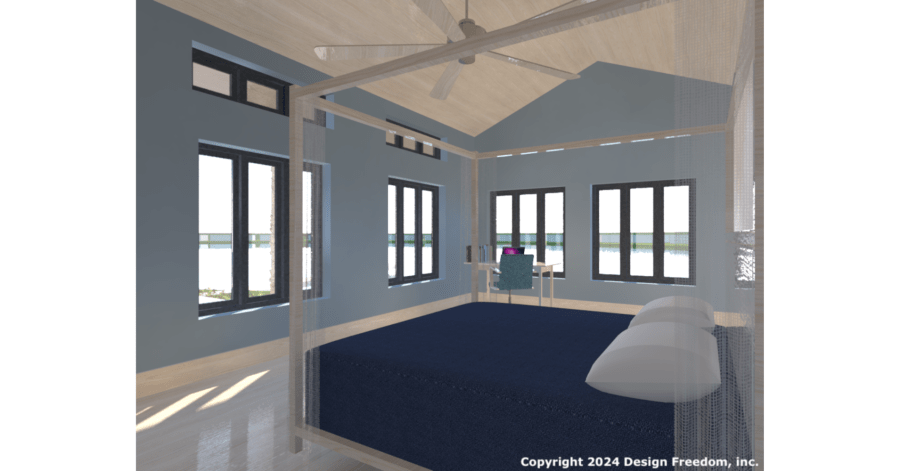
* For privacy, the images shown here are from a separate conceptual project and not from the client’s home. *

