
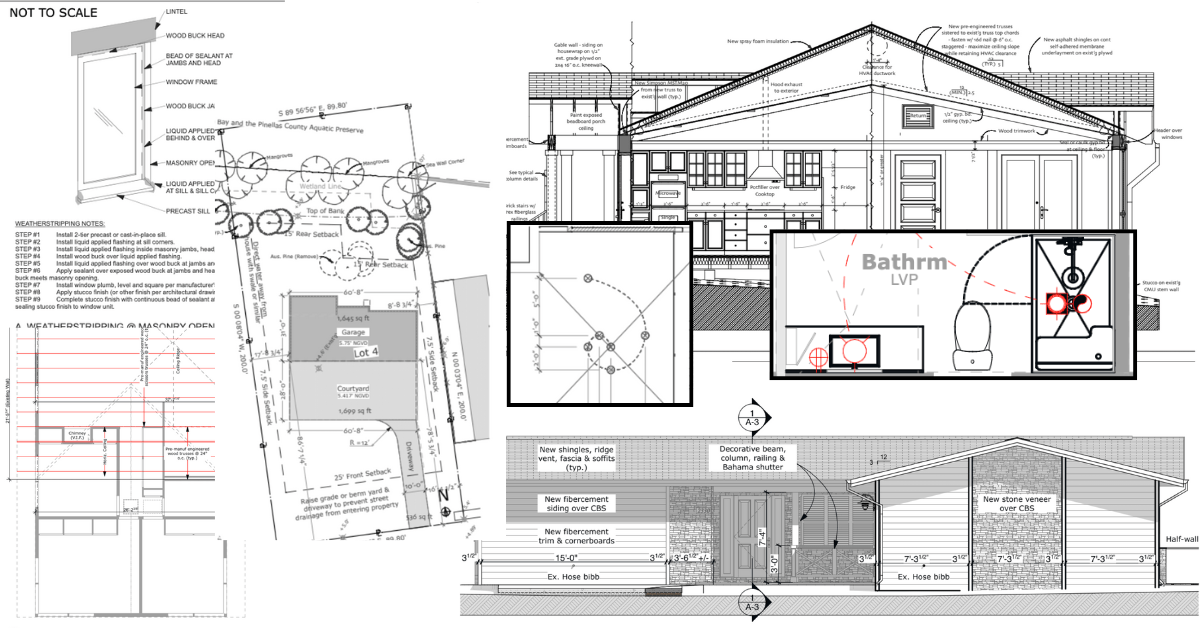
Throughout the design process, you’ve likely enjoyed seeing 3D images and conceptual sketches that help bring your vision to life. But when it’s time to build, the most critical tool isn’t the 3D model—it’s the Construction Documents (CDs). These detailed technical drawings and notes guide the contractor in turning your design into reality, ensuring accuracy, efficiency, and compliance with regulations. They aren’t just technical drawings; they’re your project’s blueprint for success. The real magic happens when the contractor uses your CDs to bring the vision to life.
With this in mind, let’s dive into what you can expect from your Construction Documents and how they ensure your home is built right.
Why Construction Documents Matter
Construction Documents (CDs) provide the detailed technical guidance that contractors, subcontractors, and permitting agencies need to transform your design into reality. They outline everything from dimensions and materials to structural elements and construction techniques. Simply put, they’re the road map for your home’s construction.
The Construction Documents phase comes after your design has been finalized and selections are in progress. A small remodel may take about two weeks to produce, while a custom home with additional consulting may take up to two months.
With well-prepared CDs, you can expect:
- Clear Communication: Helps the contractor understand the design intent and accurately price the project.
- Compliance: Ensures your home meets local zoning, building codes, and energy efficiency standards.
- Smooth Execution: Provides a clear plan that minimizes errors, delays, and unexpected costs.
Case Study: A Change in Materials
During the Construction Documents phase, the homeowner realized that the drawings depicted concrete block walls (our default) for the addition, rather than the wood frame walls they had assumed. This led to a conversation, and we quickly adjusted the plans to reflect the correct materials. Clear communication during the design process helps avoid surprises down the line and ensures the finished project aligns with the homeowner’s expectations.
Case Study: Making Improvements in the Field
On a more positive note, we’ve seen great collaboration between our architects and contractors in the field. For instance, a contractor noticed that a railing on an existing staircase, which we intended to leave as-is, was wobbly. He suggested a replacement with a more attractive and stable design, which we approved. Another time, a contractor suggested raising the driveway to eliminate steps leading to the front porch. This was a cost-effective solution that our clients agreed to, ultimately enhancing the design and accessibility of the home.
Understanding what’s included in the Construction Documents, how they fit into the permitting process, and why they are essential will help you feel more confident as your project moves forward.
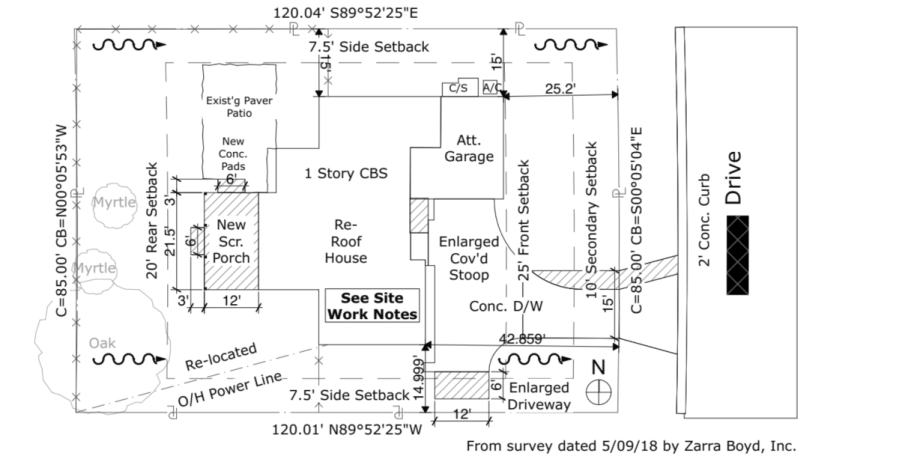
What Are Construction Documents?
Construction Documents are the official blueprints and specifications that contractors, subcontractors, and permitting agencies rely on to build your home. They provide detailed information about dimensions, materials, structural elements, and construction techniques.
A well-prepared set of CDs ensures that:
- The contractor understands the design intent and can price the project accurately.
- The permit reviewers can confirm that the home meets zoning and building codes.
- The builder has a clear road map to follow, minimizing errors, delays, and costly surprises.
Beyond permitting, the Construction Documents serve a critical role throughout construction. The drawings act as a contract between you and the contractor, documenting exactly what is expected in terms of materials, construction methods, and final layout. They help prevent misunderstandings and ensure that what gets built matches what was designed.
Case Study: Contractor Clarifications
It’s not unusual for contractors to reach out during their review of the drawings for clarification. Sometimes it’s as simple as pointing them to the right detail, but other times, I’ll make the decision to add an additional detail to the Construction Documents to help the contractor, their subs, and the inspectors. If the contractor doesn’t ask questions, I often wonder if they’ve truly examined the drawings in full detail. Being proactive in reviewing the documents can prevent costly errors and misunderstandings during construction.
Who Uses Construction Documents During Construction
Many professionals rely on the Construction Documents to do their jobs.
- Zoning and Building Department Reviewers examine the plans to ensure compliance with local regulations before issuing a building permit. They check zoning setbacks, flood zone requirements, structural integrity, and energy efficiency compliance.
- The General Contractor uses them as the primary guide for building your home. These drawings tell the contractor how each part of the home should be constructed, from the foundation to the roof.
- Subcontractors—such as electricians, plumbers, and HVAC specialists—refer to the CDs for layout and installation details.
- Structural Engineers and Truss Designers use them to calculate load-bearing capacities and ensure the structure meets safety standards.
- Building Inspectors review the plans against the work completed on-site to confirm that it meets code requirements.
- Suppliers and Fabricators may also use the drawings to order materials or manufacture custom elements, such as cabinetry, windows, and trusses.
Each professional plays a role in bringing your home to life, and all of them rely on the Construction Documents to stay aligned with the original design. If there is ever a question or discrepancy during construction, the CDs are the first place they look for answers.
Case Study: Proper Window Installation
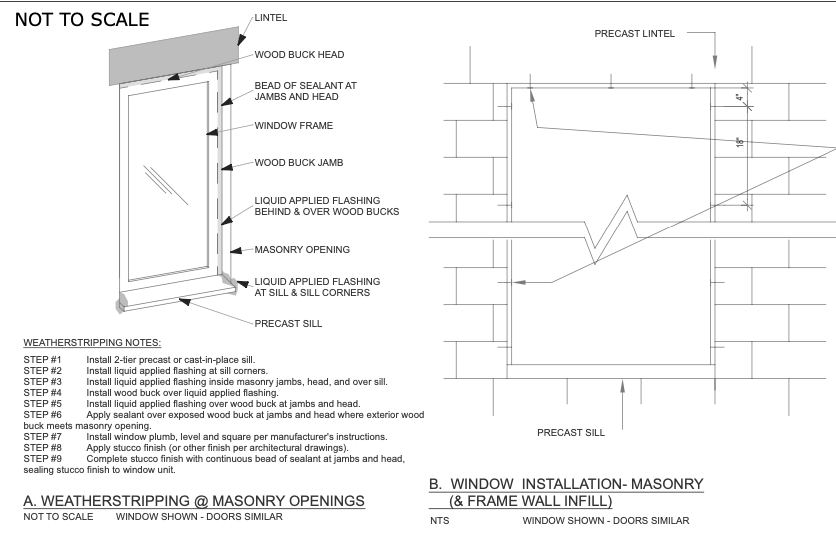
One area that often requires extra attention is window installation. As outlined in our blog Proper Window Installation for Florida Homes: Preventing Water Damage and Ensuring Hurricane Protection, we provide detailed guidance in our Construction Documents for proper window installation. Despite these specifics, it’s an area where mistakes can sometimes happen—incorrect installation can lead to serious issues, including water damage. This case highlights the importance of every professional involved in the project referencing the plans carefully and following through with the correct techniques to avoid such costly errors.
What’s Included in a Set of Construction Documents?
While the exact contents vary, a typical set of CDs includes:
- Site Plan – Shows the placement of the home on the property.
- Demolition Plan (if applicable) – Indicates what portions of an existing structure will be removed.
- Floor Plans – Layout of rooms, walls, doors, and windows.
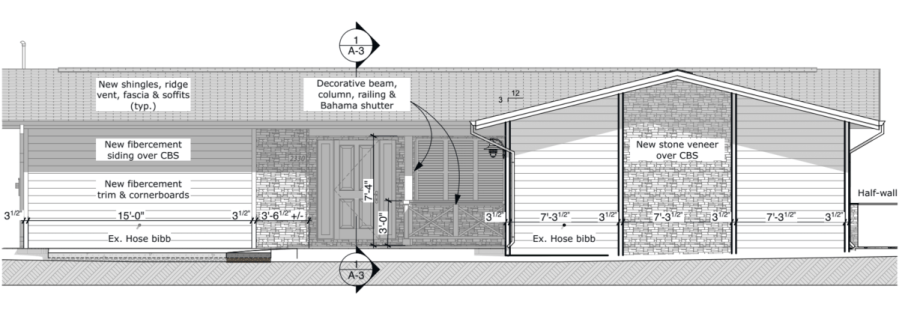
- Exterior Elevations – Views of the home’s exterior from multiple angles.
- Interior Elevations – Detailed drawings of built-in elements, such as kitchen layouts.
- Sections & Details – Cross-section drawings showing how different components fit together.
- Foundation & Framing Plans – Structural plans to guide construction.
- Specification Notes – Information on materials and finishes, included within the drawings.
- Schedules – Lists of windows, doors, and fixtures.
Some projects also require additional documentation, such as lighting and plumbing diagrams, or consultants’ drawings from structural engineers or mechanical designers.
Unlike some firms that produce separate specification books, we integrate specification notes directly into the drawings, keeping everything in one place for clarity.
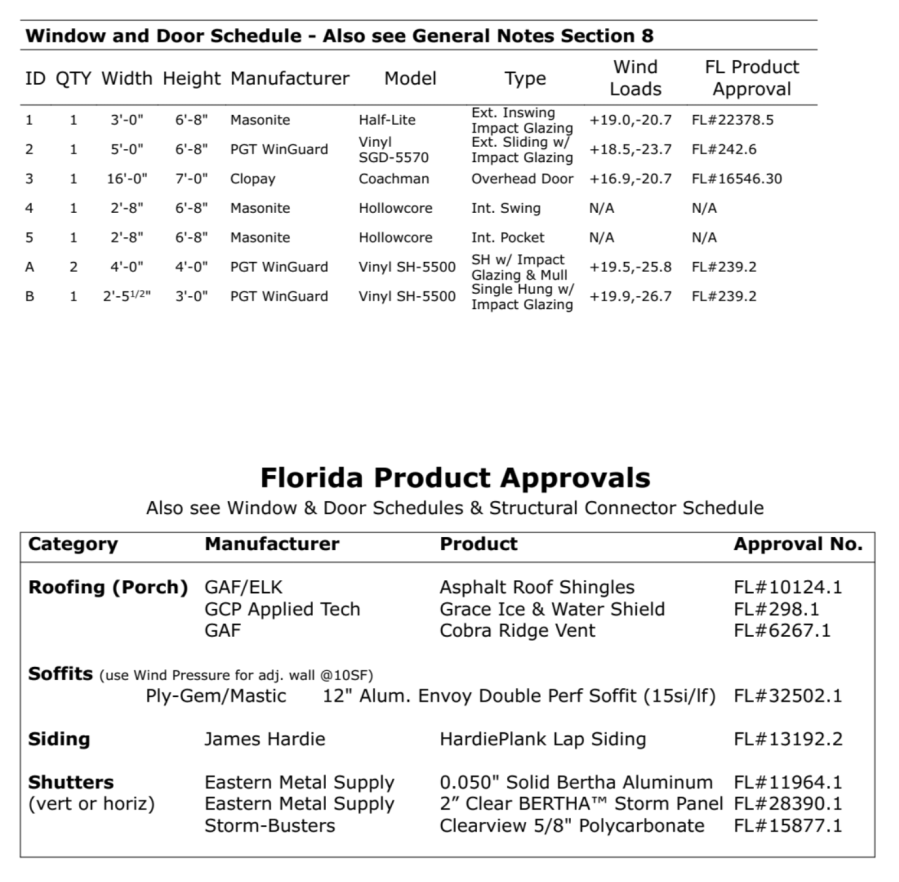
Selections and Specifications: Why They Matter
Interior finish selections play a big role in your CDs. These include:
- Plumbing fixtures
- Hardware and appliances
- Kitchen cabinets
- Decorative lighting
- Tile, stone, and countertops
- Paint colors, carpets, and fabrics
If these decisions aren’t made before construction, the CDs will either contain default selections or allowances. This can lead to unexpected cost increases later if actual choices exceed the budgeted amounts.
How Long Does It Take to Prepare Construction Documents?
The timeline depends on the complexity of the project. A small remodel or owner’s suite addition may take about two weeks, while a custom home requiring structural engineering can take up to two months.
Since Construction Documents often represent 50% of an architect’s fee before construction begins, they are a significant part of the design process. They require precision and coordination between the architect, consultants, and client.
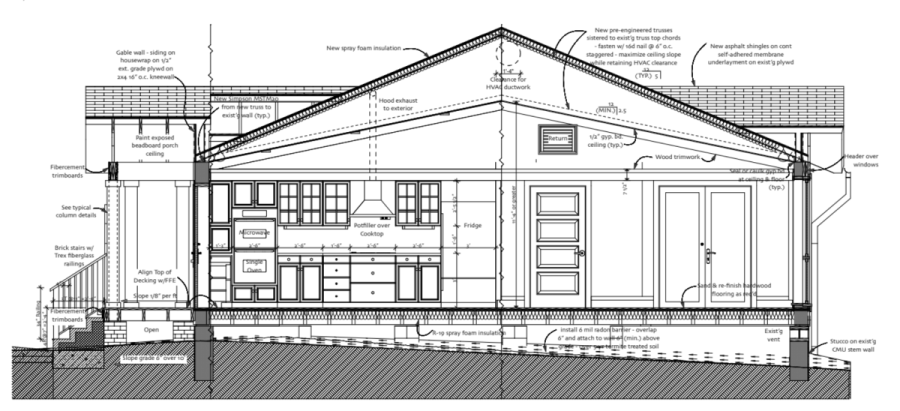
How Do Construction Documents Fit into the Permitting Process?
The Construction Documents are just one part of the permit submittal package. Other documents required for permitting may include:
- Truss Package – The engineered design for roof and/or floor trusses, based on our Construction Documents.
- Energy Calculations – Reports confirming the home’s energy efficiency, using the CDs as a reference.
- Flood Elevation Certificate – Required in flood zones to ensure compliance with FEMA regulations and local floodplain management codes.
- Septic System Sketch – If the property is not connected to a sewer system, a septic sketch is needed to verify proper placement and compliance with health department regulations.
- Florida Product Approval Cut Sheets – Documentation that provides third-party approved installation instructions for windows, doors, roofing materials, and other exterior components. These instructions ensure that materials are installed correctly and comply with Florida’s stringent wind and impact resistance requirements.
Once the permit is approved, construction can begin. The contractor will use the signed and sealed drawings to coordinate the build, ensuring that every element complies with local building codes and the approved design.
What Happens If Changes Are Needed?
During construction, unexpected conditions may arise. A remodel may reveal unusual framing hidden behind drywall, or excavation may uncover an old septic tank that must be removed. If the changes affect the layout, roof height, or structural elements, the building department may require a revised review of the plans. However, smaller changes—such as modifying a footing depth—can often be addressed with a drawing revision and a letter to the inspector.
Changes should always be documented to protect you and maintain the integrity of the design. Your contractor should communicate any modifications to you and your architect before making adjustments.
Case Study: Handling High Water Tables
While digging out the soil for a new foundation, the contractor encountered an unexpected problem: water was quickly filling the excavation because the water table was high. We reached out to the structural engineer, who provided a solution that the crew could implement quickly. This kept the project moving forward without delays, showing the importance of collaborating with consultants to resolve issues promptly.
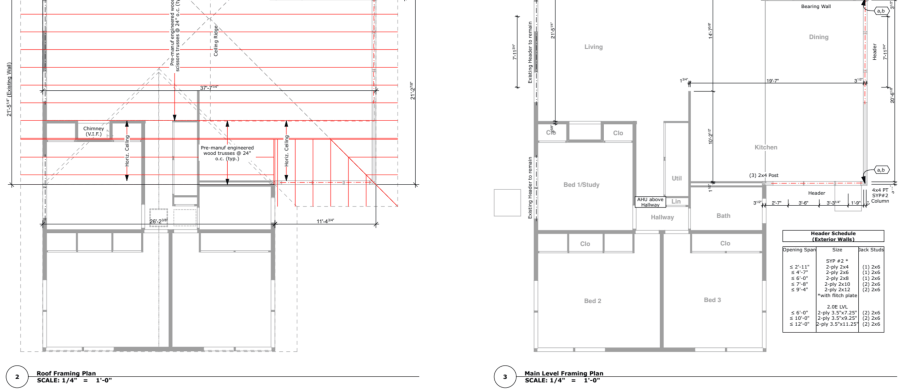
What If the Contractor Deviates from the Construction Documents?
Contractors should follow the Construction Documents as closely as possible, but deviations can occur. These may include:
- The homeowner approving a change without consulting the architect.
- The contractor suggesting an alternative material or method.
- A product or fixture specified in the plans being discontinued.
If a change is needed, it’s important to:
- Consult your architect first to understand how the change affects the rest of the project. A seemingly small adjustment can have a ripple effect on other design elements.
- Request a cost breakdown before approving a change, whether it increases or decreases the price.
- Ensure substitutions meet or exceed the original quality and performance standards.
Failing to follow this process can lead to unexpected costs, delays, or compromises in the final result.
Case Study: Early Intervention Saves the Day
As an intern early in my career, I was sent out to review the new basement walls before the concrete was poured. I’m grateful for that moment, because I noticed that the contractor had accidentally reversed the foundation layout, putting the chimney in the wrong location. I immediately flagged the issue, informed my supervising architect, who then contacted the general contractor. Fortunately, we caught the mistake before any concrete was poured, saving the project from unnecessary delays and costly rework.
How to Review Your Construction Documents
Many homeowners feel overwhelmed when reviewing their Construction Documents. While you don’t need to be an expert, it’s important to:
- Ask questions if anything seems unclear.
- Confirm that your selections (fixtures, materials) are correctly documented.
- Understand the order of the sheets so you know where to find key details.
- Discuss the plans with your contractor before construction begins to avoid misinterpretations.
Your Construction Documents are one of the most valuable tools for ensuring your home is built correctly. We are always happy to walk through them with you and answer any questions.
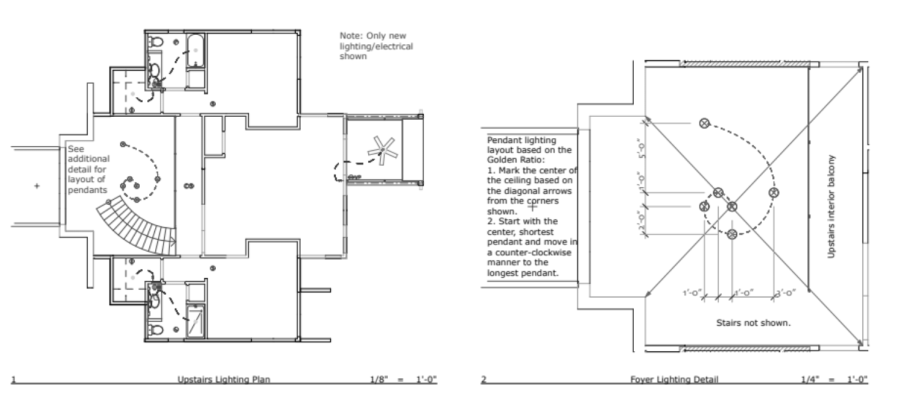
A Well-Prepared Set of Drawings Leads to a Smoother Build
Construction Documents are the backbone of a successful project. They help prevent costly mistakes, reduce misunderstandings, and ensure that your home is built as designed. By understanding and collaborating with your architect, you can ensure a smooth construction process and a final home that meets your expectations.
Have questions about your home’s Construction Documents? Visit ForeverHomeArchitect.com to learn more about our process and how we can guide you through your custom home or remodel.
A Forever Home isn’t just about today—it’s about making the right decisions early so your home supports your life for years to come.
If you’re starting to think about a remodel or new home, the best next step is to get clear on your priorities before design begins.
👉 Download the Project Planning Pack at Forever Home Architect to help you think through layout, budget, and long-term decisions before you get started.
 Design Lines
Hi! This is so interesting. A little over my head, in parts. I have thoroughly enjoyed receiving your emails!! Take care 🙂!
Sent from my Verizon, Samsung Galaxy smartphone
LikeLike
Thanks, Paula!
LikeLike