
Why Now?
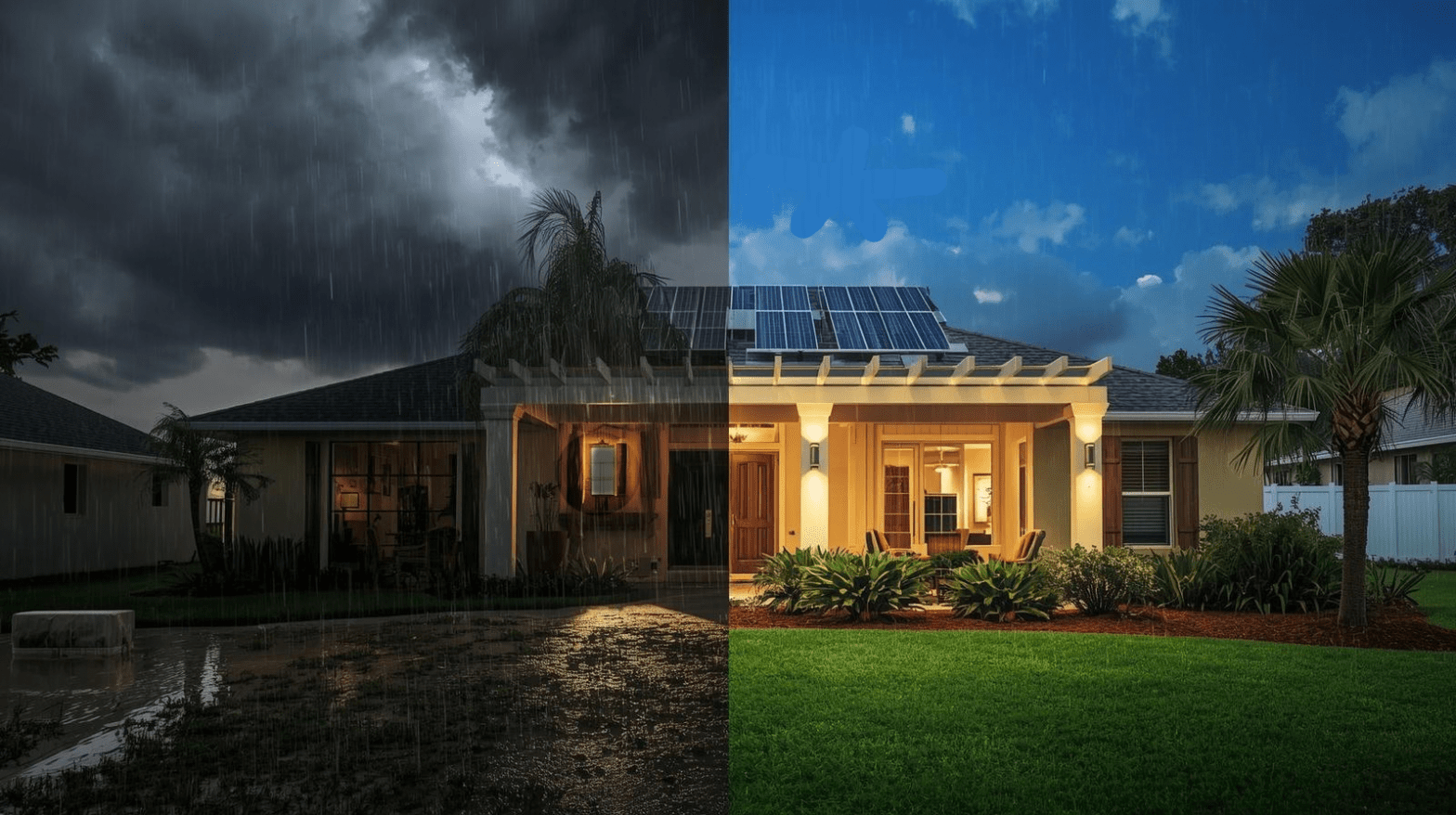
In 2024, Tampa Bay experienced back-to-back hurricane surprises. Hurricane Helene knocked out power and caused flooding, and less than a week later, Hurricane Milton swept through with high winds and heavy rain. Both storms passed quickly, but even a year and a half later, many people are still repairing and rebuilding.
I was lucky—my home is in a flood zone X, so Helene didn’t affect me beyond a power outage. Milton left my yard completely saturated—my rain gauge topped out at nine inches—and I was surprised to see both front and backyards waterlogged overnight. Luckily, things returned to normal quickly, but we were without power for a few days. Hot and humid weather reminded me just how much I appreciate air conditioning.
Twenty years ago, I experienced a season with four hurricanes across Florida. During one week-long outage, I borrowed a mobile generator, but it was so loud I couldn’t use it at night. Back then, your options were noisy temporary generators or permanent ones far outside my budget. I made do, but the experience stuck with me.
Losing electricity can feel like losing control over your home—and your life. Waiting for the power to come back can be exhausting, both physically and psychologically. Even basic necessities like refrigeration, internet, and fans are affected, leaving you feeling powerless in the truest sense. Experiences like these are exactly why I started thinking seriously about solar—for my home and for my clients’ homes in Florida.
Solar in Florida Just Makes Sense
Florida is the Sunshine State, and it’s striking how underutilized our solar potential has been compared with other parts of the country. In 2017, I flew to Boston for a conference and saw vast solar arrays in fields—something we didn’t have in Florida at the time.
We have sun almost year-round. May is actually our sunniest month, right before daily summer storms begin, and our UV index regularly tops 10—sometimes reaching 13. Even a brief outage, whether from a storm or a fallen tree branch, affects not just lights, but internet, refrigeration, and especially air conditioning.
I’ve attended several Solar Decathlons in Washington, D.C., where colleges created small solar-powered houses. The designs were a mix of technical ingenuity and architectural creativity. Solar panel efficiency has improved dramatically since the 1990s, and paired with modern batteries—or what some call solar generators—solar is a practical option today. Why wait hours, days, or even weeks for power to return when solar panels could quietly be generating electricity on your roof, shading your car or patio, and keeping life going as usual?
Solar Isn’t One-Size-Fits-All
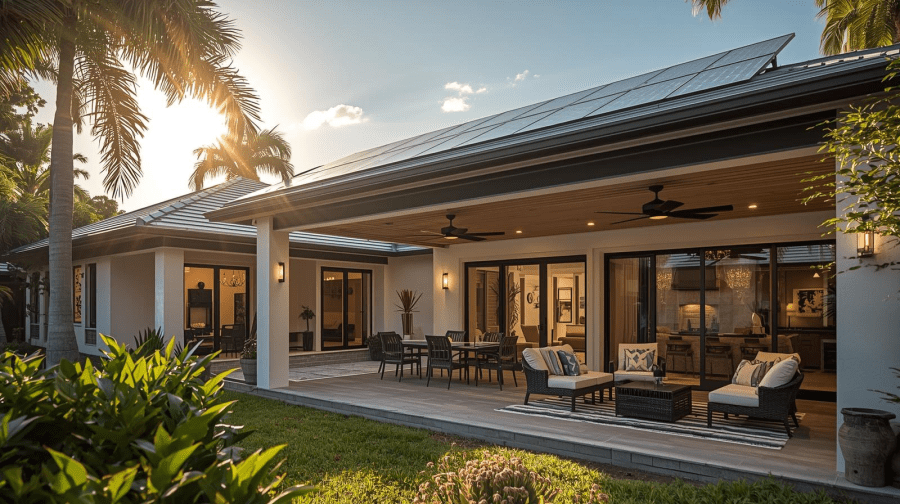
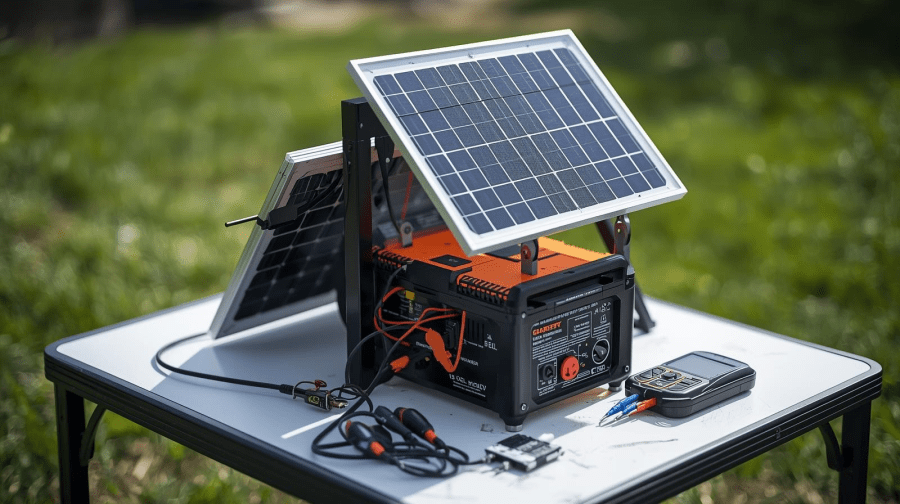
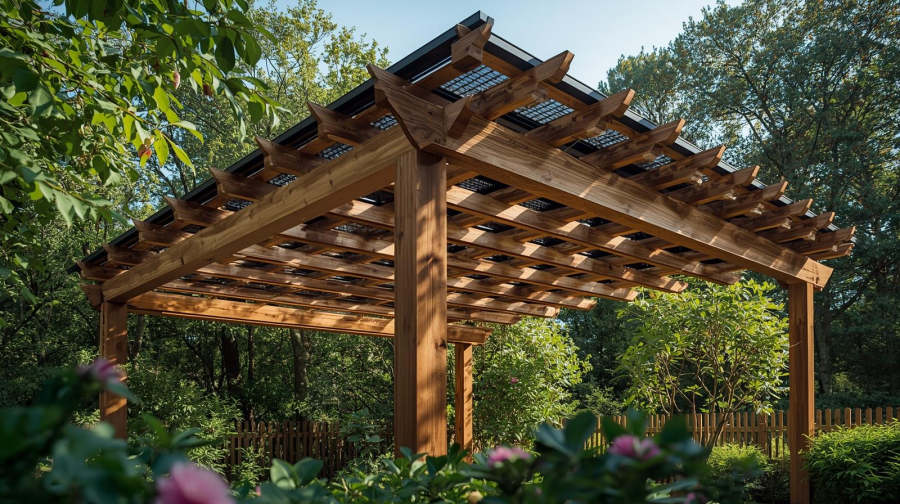
For a long time, I thought of solar only in the 1970s context—huge roof-mounted panels—or for heating pools. Today, solar is much more flexible. I recently designed a pergola for a client with solar panels mounted on it. For my own home, I’m exploring smaller solar generators to run essential items during outages.
But for Forever Homes, permanent solar systems are usually the best choice. They offer maximum efficiency and can power more of the house while integrating seamlessly into the design. The ideal time to plan for solar is during a remodel or new construction, when you can account for roof type, panel placement, and budget.
A Design Lesson I Learned
Over the years, I’ve guided several clients through solar options. One important consideration is roofing material:
- Standing seam metal roofs allow panels to attach directly to raised seams without drilling into the roof.
- Other metal roofs, asphalt shingles, or concrete tiles generally require penetrations to attach panels, which increases the risk of leaks.
I tend to be conservative about putting holes in a roof, so whenever possible, I steer clients toward options that avoid unnecessary penetrations.
If you prefer not to modify the main roof, panels can be mounted on alternative structures such as pergolas, porches or lanai roofs, garage roofs, or backyard sheds. These options allow solar integration without affecting the main roof, while providing shade or functional outdoor space. Solar can become part of the architecture, adding both energy and comfort to a home.
Solar Is Part of a Bigger Energy Conversation
Many clients naturally assume electricity will power their homes, but some also like to include gas in their designs. In urban and suburban areas, that’s usually natural gas, provided the neighborhood has gas lines. Utility companies often require at least three or four appliances or equipment to be connected—typically the range or stove, dryer, heat pump, and sometimes a line to the backyard for a built-in barbecue.
For suburban or rural homes without natural gas access, propane tanks are often the alternative. Solar should really be considered alongside these energy options, depending on what makes sense for your home and lifestyle.
When deciding on solar, it helps to think about what you really want to power. Do you want it to cover your whole house, automatically switching over during an outage, or just a few critical appliances? Maybe you just want solar for a detached shed, garage, or ADU.
If you’re aiming for a smaller system, focus on the essentials: ceiling fans to keep you comfortable, hot water for showers and laundry, a few key kitchen appliances, and your TV, laptop, tablet, and phone. Even with solar and batteries, some people still include a backup generator for extra peace of mind.
The roof itself also matters. Standing seam metal roofs are ideal because solar panels attach directly to the raised seams without drilling, while other roof types usually require penetrations. You’ll also need to make sure there’s enough surface area for the number of panels you want, and consider shade carefully. Trees can provide comfort and cooling, but too much shade on the roof can reduce your solar efficiency.
In Florida, sun exposure varies depending on direction:
- East- and west-facing sides get the most sun during sunrise and sunset, but you can easily shade these sides with trees.
- South-facing walls are usually shaded by roof overhangs during the high summer sun, while the roof itself receives maximum sunshine if nothing blocks it.
- North-facing walls receive minimal direct sun.
Many solar installers will check a satellite view of your house to estimate shade and sun exposure, and there are also websites you can use to do a rough estimate yourself. With careful planning, you can balance shade and sun so you get both comfortable outdoor spaces and solar efficiency.
Why I’m Personally Exploring Solar
I’ve always been interested in solar technology, from design-forward projects at the Solar Decathlon to the practical benefits it offers today. Living in Florida, I know power outages are inevitable—whether for an hour, a day, or a week. I want to stay comfortable and connected during these outages, using my computer, TV, and essential appliances, without the noise of a gas generator.
Since I’m not yet in my forever home, I’m exploring smaller, flexible solar systems, like backyard solar generators. For a forever home, I would likely consider permanent whole-house solar, potentially paired with a propane generator for additional backup.
Exploring Solar Together
This is just the start of the conversation about solar. Over the next few blogs, I’ll explore options, share what I’m learning, and talk to homeowners and installers about real-life experiences.
Beyond permanent whole-house systems, there are smaller panel and battery setups, often called solar generators, that provide power without a full roof installation. For my own home, I’m exploring this type of system to keep essentials running during power outages—refrigerator, fans, and devices—so life can keep going smoothly.
I’m also curious about permanent solar systems for forever homes. I plan to talk to neighbors with solar panels, as well as local installers, to understand different approaches, challenges, and benefits. I want to learn about full systems—permitting, grid connection, roof placement, and what local utility companies offer.
I’m also interested in how other places—like Australia, where solar adoption is high—have integrated solar into homes. Even permanent systems can now be mounted on walls or non-traditional surfaces, offering more flexibility.
The goal is to research, weigh the options, and figure out the best solution for your home—it may be different from mine. I hope you’ll join me on this journey as we explore solar for your Florida forever home, seeing how practical, flexible, and empowering it can be. If you’d like to learn more or follow along with this solar series, visit ForeverHomeArchitect.com—I’d love to have you along for the conversation.
 Design Lines