
Growing up in suburban Washington DC, I experienced a version of multigenerational living firsthand. I was the oldest of four siblings, and our home was always full of activity. My grandfather came over every day — driving us to school, attending sports practices, having lunch with my mom, and returning to his apartment before dinner. Some evenings, he stayed to watch us while Mom and Dad went out.
My mom also ran a daycare in our home, and the toddlers and babies we affectionately called “the Littles” added even more joy and energy. Sometimes after school, our home held up to nine kids.
Through all of this, I learned that a successful multigenerational home requires balance: spaces for everyone to retreat, shared spaces that bring people together, and smart solutions that make daily life joyful instead of chaotic. Those experiences shaped the way I design Forever Homes today — homes that are flexible, thoughtful, and capable of growing with your family.
1. Bedrooms: Private Havens in a Busy House
A bedroom is more than a space to sleep — it’s a sanctuary. Growing up, my mom insisted that each kid should have their own bedroom, because she had to share hers as a child. Bedrooms provided quiet corners to read, nap, or just be alone amidst the bustle of our household.
My memory:
I remember multiple weekday mornings when I was sleeping late before school and one of the Littles wandered into my room. Little hands were happily exploring all the makeup on my dresser! I woke up faster than ever, but also learned patience and the art of embracing small surprises — and had a few laughs along the way.
In a Forever Home, private rooms support your family’s comfort, independence, and daily routines. They are spaces where memories are made, work gets done, and guests feel welcomed and cared for.
2. Noise Management & Flexible Quiet Spaces
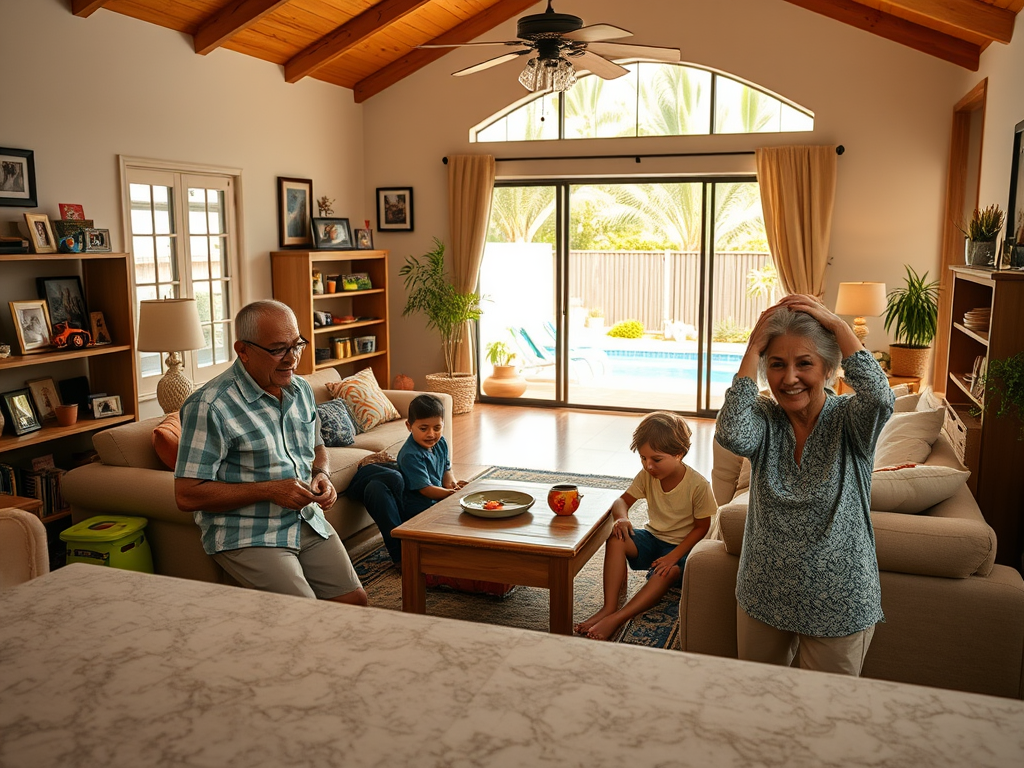
In a busy household, noise is inevitable. Our house had TVs upstairs and downstairs — kids on one level, adults on another. Today, we can achieve even better separation with doors, dens, or bedrooms with built-in TVs, keeping noise contained while allowing communal spaces like the kitchen or living room to stay lively.
My memory:
On Saturday nights, sometimes my sister and I would be teased out of our rooms by the sound of our mom’s laughter. We would lie at the top of the stairs, just far enough back to see her watching TV in the living room below. We’d watch along with her — silently — until we were found out and chased back to bed.
In a Forever Home, flexible separation lets each person enjoy their own rhythm while staying connected to family life. Quiet nooks and media-friendly spaces help everyone find comfort without feeling isolated. Open areas encourage interaction, while private corners respect independence — a balance that grows more important over time.

3. Bathrooms & Morning Routines
Sharing bathrooms can be one of the trickiest aspects of multigenerational living. I grew up with 2½ bathrooms for four kids, which meant juggling schedules and negotiating shower time. A compartmentalized bathroom — with separate toilet/shower and sink areas — or a dedicated guest bath can reduce stress and make mornings smoother.
My memory:
I remember racing my siblings to the shower to get in first. Later, Mom or Dad would bang on the door to remind me my time was up. It wasn’t just about efficiency — it was about learning cooperation and respecting each other’s routines.
In a Forever Home, thoughtful bathroom planning transforms a potential stress point into a practical solution that supports comfort, privacy, and ease for everyone, even during busy holiday mornings.
4. Storage: Making Room for Everyone’s Belongings
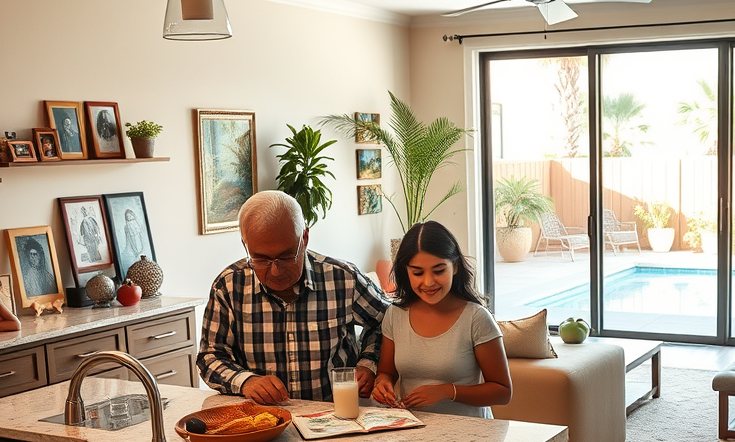
More people means more belongings. In our home, toys, school supplies, and household items needed smart places to live. Built-in cabinets, wider hallways, and closet systems can provide essential storage while keeping spaces organized and beautiful. Hall closets, mudrooms, and smart garage storage can make a huge difference in a busy household.
My memory:
Every year before the holidays, we helped un-pack the decorations from the attic. The attic access door would be propped open, the ladder set in place, and boxes would be passed or tossed down to the next person. Mom always knew exactly where everything belonged up there. After we unpacked the decorations, the empty boxes would be tossed back into the attic until needed again. It was a system — a slightly chaotic one — but it worked.
In a Forever Home, well-planned storage maintains calm, order, and functionality, allowing the home to adapt as your family grows — all without sacrificing style or livability.
5. Outdoor Spaces: Extending the Home
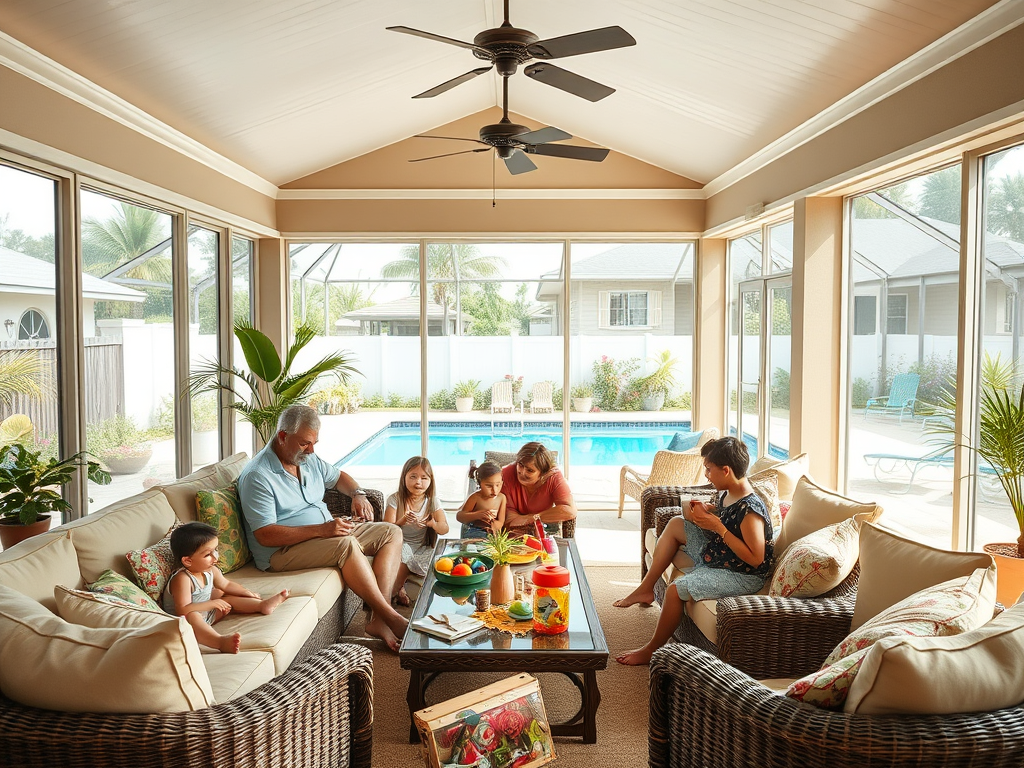
In Florida, outdoor living is a game-changer for multigenerational gatherings. Screened porches, lanais, and pool areas let everyone spread out, socialize, and enjoy the weather year-round. Outdoor spaces are perfect for holidays, casual dinners, or simply watching grandchildren play while adults relax nearby.
My memory:
I remember running around the backyard as the sun went down — racing Big Wheels, swinging on the playset, and chasing lightning bugs as the adults cleaned up after a BBQ dinner. They would sit around the table talking while we played until dark. Then our friends would leave and the house would quiet down again.
In a Forever Home, outdoor living areas extend your home’s functionality and foster connection to nature, supporting Florida’s year-round lifestyle while keeping indoor spaces calm. Outdoor spaces extend the livability of your home and strengthen the connection to nature — one of the core principles of a Forever Home.
6. Planning for Flexibility & Growth
While many multigenerational households include grandparents visiting adult children, most of my clients are the grandparents who own their Forever Homes, with adult children and grandchildren visiting for vacations and holidays. Their homes must work beautifully for two people most days — but must be able to expand comfortably.
My clients:
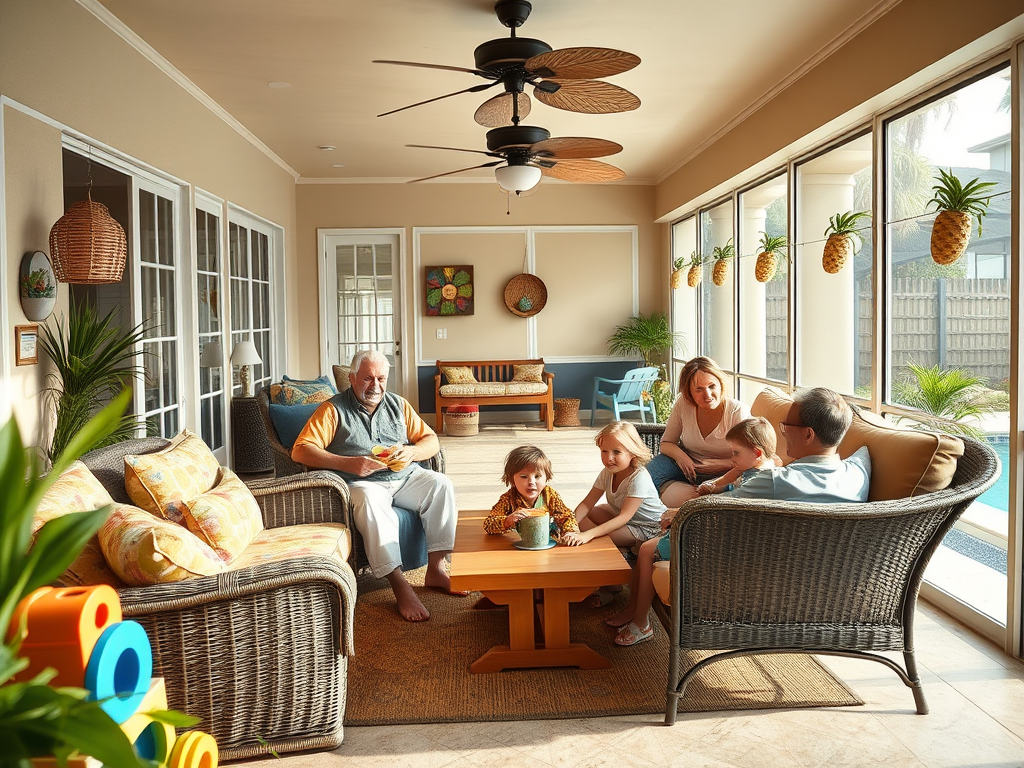
Many of my clients’ homes transform for long visits by the grandkids: quiet and serene most of the year, then suddenly full of splashing pool time, games, cooking, and celebration. Rooms flex easily — offices become guest bedrooms, dens become play spaces, and the pool is used to the maximum. My clients love to sit out on the lanai, watching the fun unfold.
A Forever Home anticipates change — and welcomes it. In a Forever Home, planning for flexibility ensures your house grows with your family, creating spaces for memories, celebrations, and everyday life — all without needing major renovations. Spaces are designed to flex with the seasons of your family life, supporting joy, togetherness, and ease.
Lifestyle Payoff
A Forever Home embraces the evolving needs of your family. Thoughtful planning for bedrooms, bathrooms, storage, and outdoor spaces transforms a house into a home where holidays, weekday routines, and everyday moments are joyful, balanced, and full of memories. Multigenerational living doesn’t have to feel crowded — it can be vibrant, nurturing, and built for a lifetime.
Looking to create a home that grows with your family? Visit ForeverHomeArchitect.com to explore ideas for multigenerational living.
 Design Lines