
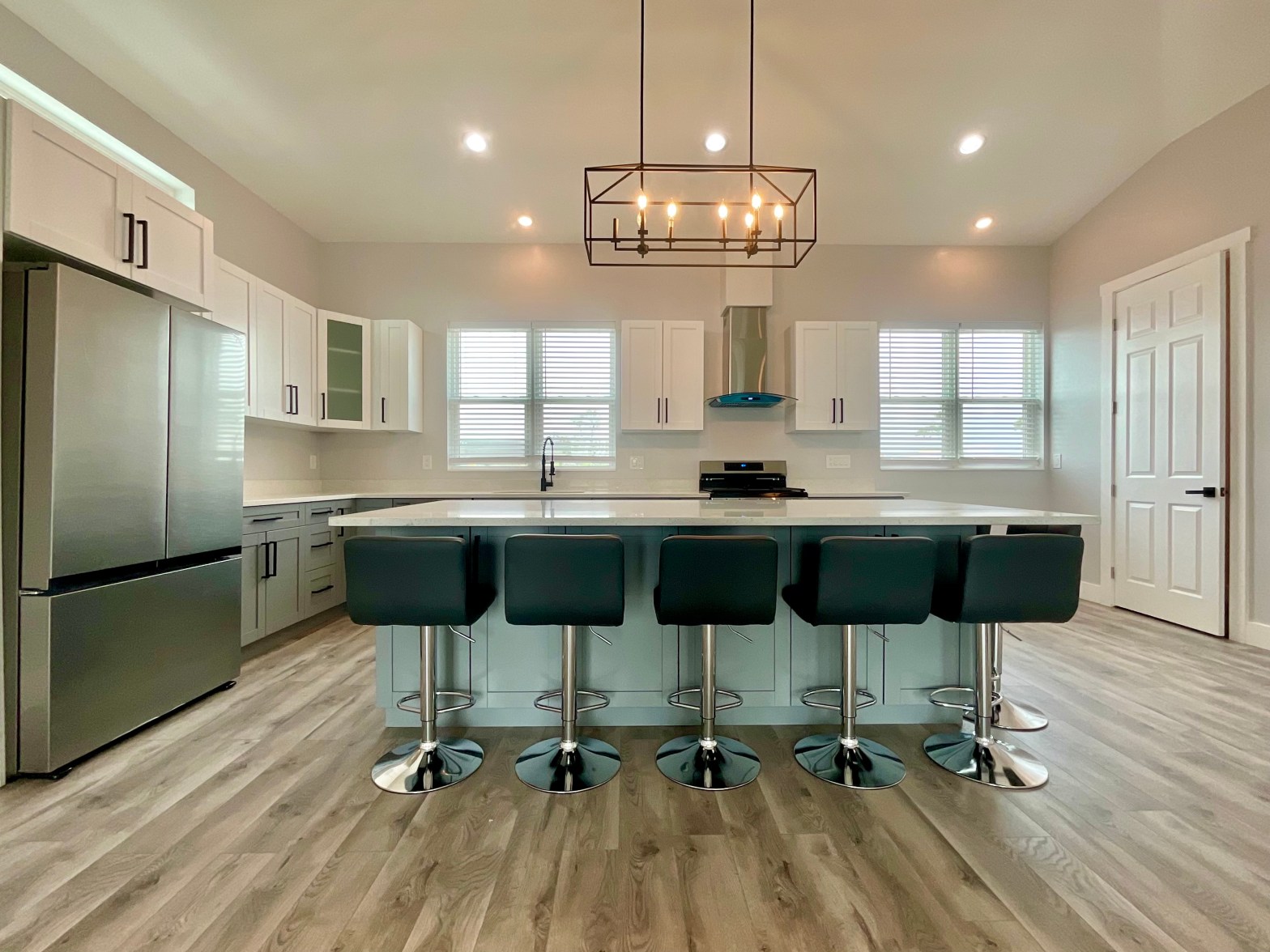
When most people think about rising construction costs, they picture lumber, concrete, or shingles. But a huge portion of your home’s budget goes into what’s inside — the things you see, touch, and use every day. And just like structural materials, these products are affected by global markets, supply chain slowdowns, and sudden price shifts.
From cabinetry and flooring to appliances and light fixtures, let’s take a closer look at how these materials are made, where they come from, and why they might cost more than you expected.
What’s Inside Matters
Even the most modest remodel or custom home includes a long list of interior items — many of which rely on international materials or factories. These are just a few examples of products that can see price swings or delays:
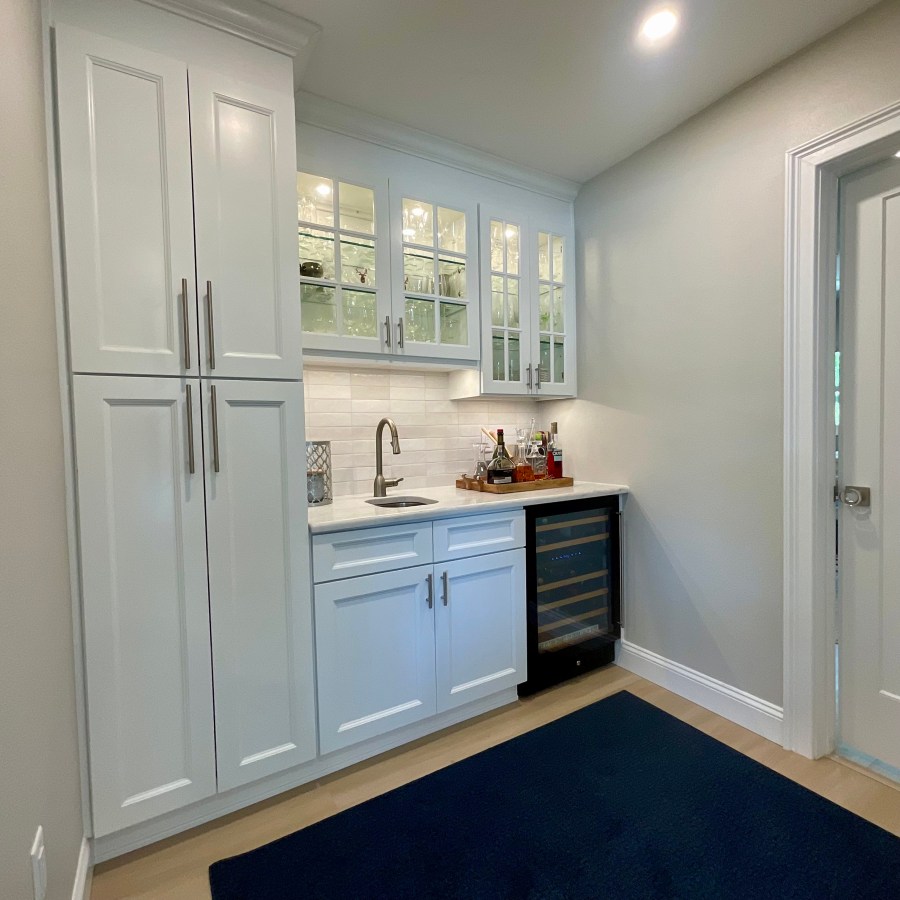
- Kitchen and bath cabinetry, made from plywood, MDF, hardwoods, glues, finishes, and hardware.
- Flooring, like ceramic tile or LVP (luxury vinyl plank), often imported from Europe, Asia, or South America.
- Bathroom fixtures, including toilets, tubs, and faucets, made from metal, plastic, and ceramic.
- Lighting fixtures, using metals, glass, plastics, and LED components that are sourced globally.
- Heat pumps and air conditioning units, full of copper, aluminum, refrigerant, and control chips.
- Interior doors, trim, and moldings, sometimes solid wood but often made from composites or finger-jointed pieces.
- Paint and wall finishes, which depend on petroleum-derived resins and specialty pigments.
Some of these items are built in the U.S., but most rely on global supply chains, even if the final product is assembled locally. That means any disruption — a shipping bottleneck, a trade policy change, or even a drought in a mining region — can ripple into your construction schedule.
What Happened During COVID?
Before COVID, most homeowners didn’t think twice about product availability. You picked a faucet, and your contractor ordered it. Done.
During the pandemic, though, we saw a cascade of delays and substitutions — and not just with structural materials. Appliances were delayed for months, or arrived with fewer features or lower build quality than originally promised. Brands made quiet substitutions, changing internal components without updating the model name. Some products simply disappeared from the market.
Cabinet finishes, tile lines, and fixture collections were discontinued without warning. If you didn’t order everything early, you had to choose again — or wait indefinitely.
Those issues haven’t disappeared. In fact, many manufacturers still have long lead times, and contractors continue to plan around potential substitutions or backorders.
Global Sources, Local Consequences
Even if something says “Made in the USA,” it often depends on parts or raw materials from around the world:
- Cabinet boxes might be U.S.-built, but the plywood or hinges may be imported.
- Vinyl flooring uses petroleum-based resins, made in only a few specialized chemical plants worldwide.
- LED lighting almost always relies on imported chips, transformers, or circuit boards.
- HVAC systems depend on copper and aluminum coils, plus electronics affected by the global chip shortage.
And if those parts are subject to tariffs, shipping delays, or regulatory changes, the price can increase fast — or the product can simply become unavailable.
So What Should You Do?
If you’re building or remodeling, here’s how to stay ahead of price hikes and avoid the headaches of out-of-stock finishes:
- Make your selections early. This gives your contractor time to order everything and avoid surprises later.
- Be flexible when needed. Choosing a different tile color or faucet finish might keep your project on schedule.
- Expect shorter quote windows. Many vendors only honor prices for 15–30 days. Decide and deposit promptly.
- Ask your contractor about escalation clauses. These protect everyone in case a key product jumps in price or becomes unavailable.
- Don’t wait for prices to drop. Most items haven’t gone down in price since 2020 — and are unlikely to do so in the near future.
At Design Freedom, we help our clients navigate the shifting terrain of materials, prices, and lead times. That’s part of designing smart — understanding what’s available, what it costs, and when it’s realistic to get it.
Let’s create a home that works beautifully, looks fantastic, and stays on track — even when the world is unpredictable.
Visit ForeverHomeArchitect.com to learn how we help you build a home that’s resilient, comfortable, and worth the investment.
 Design Lines