
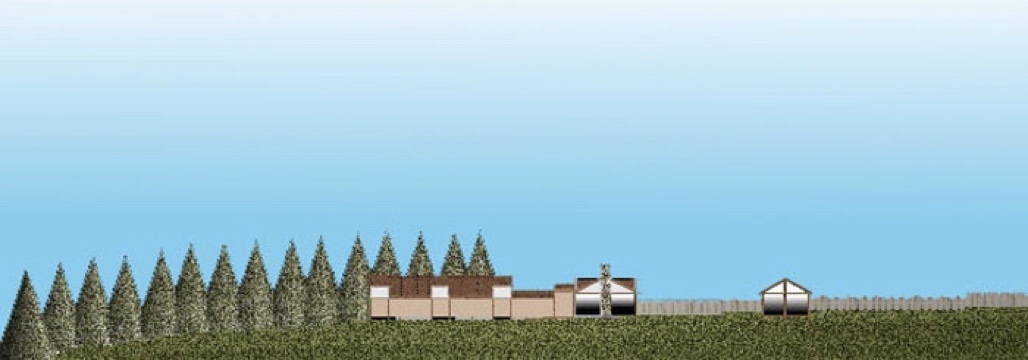
I’ve always been drawn to designing homes. I still remember a sixth-grade project where we were asked to imagine our future, including designing our dream bedroom. I didn’t stop there—I turned it into a whole house, then many houses. That project was the beginning of something I didn’t yet have words for, but I knew I wanted to create spaces where people could live their lives fully.
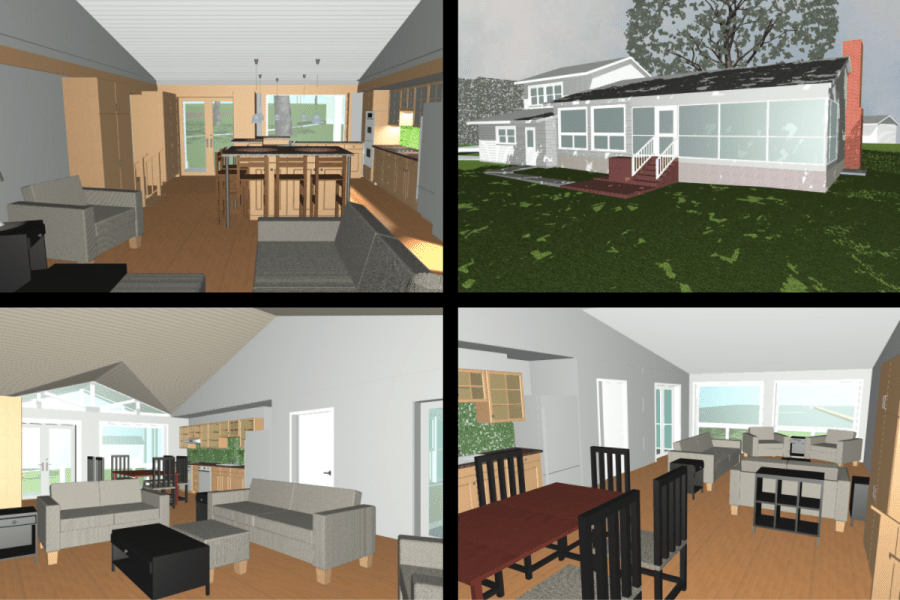
Over time, I realized there are many types of homes an architect can design. My first job out of architecture school was with a firm creating custom homes on barrier islands in the LowCountry of South Carolina. From there, I worked at firms designing everything from additions and remodels to high-end new builds. At one firm, we even collaborated with a nonprofit to create new porches for low-income homes.
Some of those custom homes were quite large—full of high-end finishes, guest suites, and expansive entertaining spaces. Meanwhile, remodels focused on upgrading modest suburban homes—removing outdated kitchens and cramped bathrooms, adding family rooms and bedrooms for growing households. The firms I worked for designed in all kinds of architectural styles, tailoring each to its setting and the client’s needs.
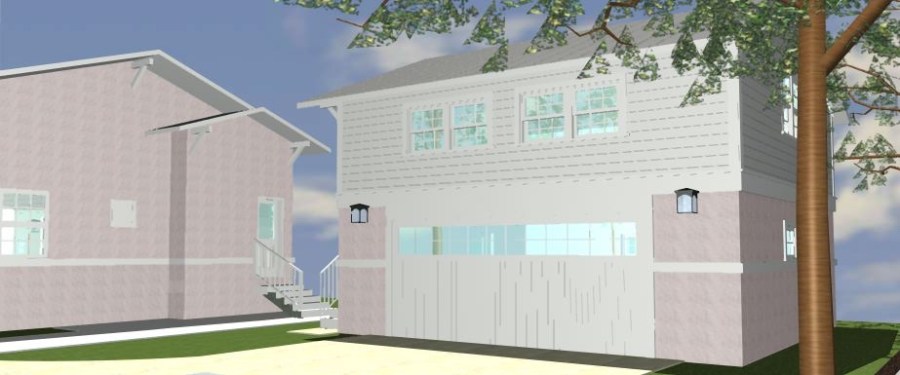
But once I started working with my own clients, I noticed something: I connected more deeply with certain projects than others. The ones that meant the most were for people who were looking for permanence. Like I had done in my own home search, they wanted a place to be. A home base. A place to nest, to customize slowly over time.
They weren’t necessarily building the biggest or the most luxurious house—but they were thoughtful about what they really needed. They didn’t want to spend weekends maintaining fussy materials or heating and cooling empty guest rooms. They wanted their living space to be just right—not too much, not too little.
These were the clients who appreciated a good garden view more than curb appeal. They were downsizing or decluttering, and planning to stay put. They’d rather invest in hurricane-resistant glass and solar panels now, than scramble to shutter windows or restock the fridge after a power outage. They wanted a home that supported their lifestyle, with a little extra insulation to keep cooling costs down so they could travel more, or dine out.
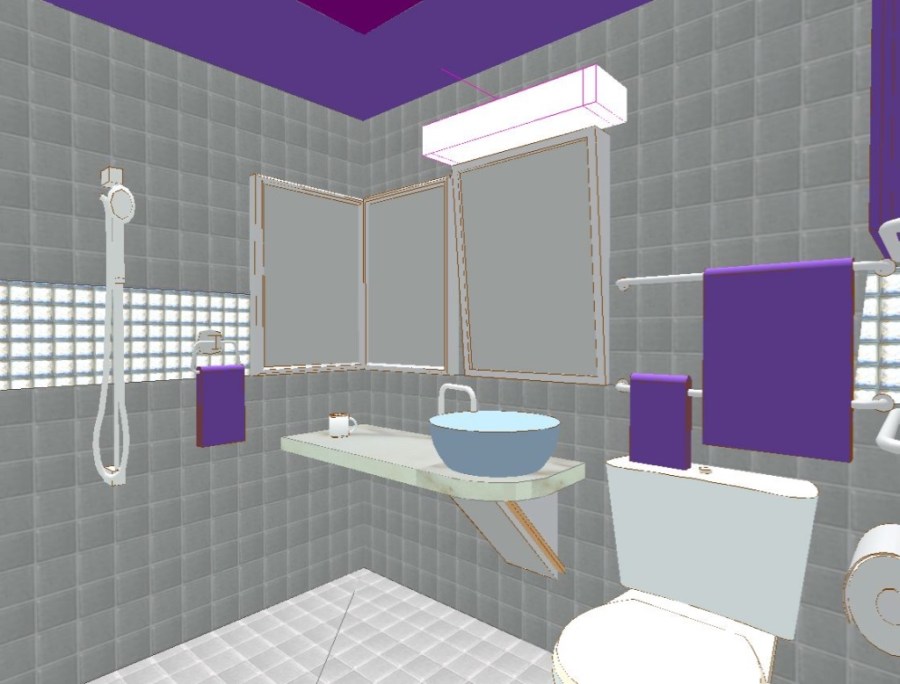
Early on, I also worked with contractors handling home modifications through Medicare, the VA, and insurance claims. Many of their clients were facing illness or injury, either suddenly or as part of aging. Designing for these homeowners was deeply rewarding. The budgets were small—especially for design—but the need was real. Those experiences gave me a solid foundation in accessible design, and a strong sense that everyone deserves a safe, comfortable, well-thought-out home.
I also enjoy working on both ends of the scale—from small ADUs to large new beach homes. But even then, I noticed the same themes kept showing up in the projects I loved most. The size didn’t matter. The budget didn’t matter as much. It was the values that made these homes feel special.
At one point, I tried to put a label on this type of architecture. I wasn’t a “Beach House Architect.” I wasn’t focused only on ADUs or historic renovations. What I kept coming back to were the shared goals my clients had. That’s when I started putting together my Nine Principles of a Forever Home—a set of ideas that guide my work and the homes I design.
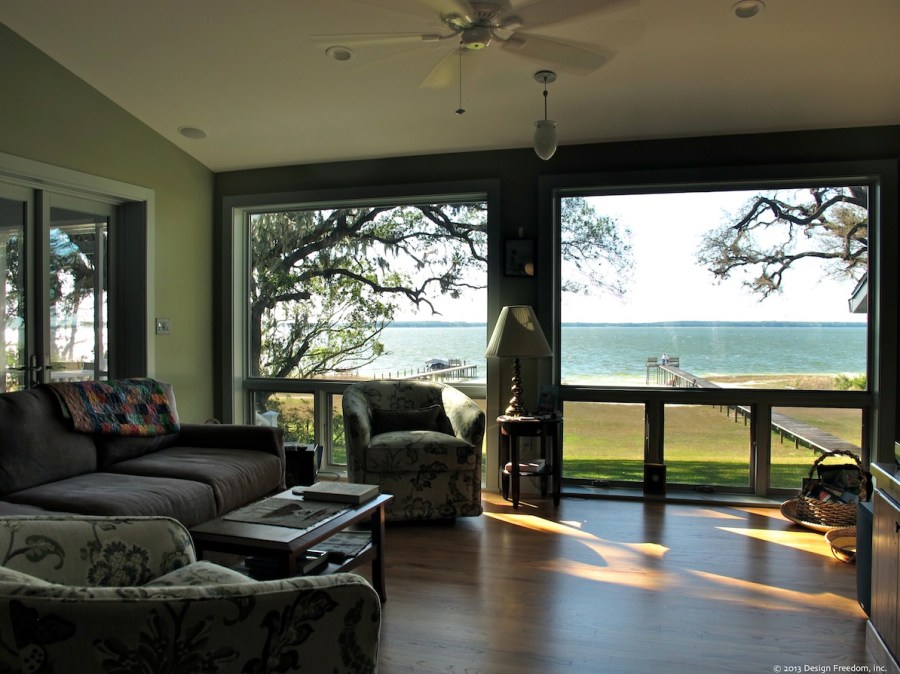
The Nine Principles of a Forever Home
At Design Freedom, Inc., we design homes with purpose. The following principles help us create homes that are beautiful, sustainable, and adaptable to the evolving needs of our clients. These principles guide every project we undertake:
- Sustainability (Green and/or Energy Efficient): Prioritizing energy efficiency and environmental responsibility in every design decision.
- Resilience (Resilient Design): Designing structures that stand the test of time, particularly in areas prone to natural disasters or extreme weather.
- Adaptability (Aging-Gracefully-in-Place): Creating homes that can evolve with the changing needs of families over time.
- Indoor-Outdoor Flow (Connection to Outdoors): Designing homes that connect seamlessly to outdoor spaces, bringing in natural light and enhancing the relationship with nature.
- Functionality (Open Concept Floor Plan): Designing homes with large, open spaces that enhance daily living, foster connection, and allow for flexible use of the home, making it the heart of family life and shared experiences.
- Simplicity (Low Maintenance): Embracing clean, timeless designs that are not only aesthetically pleasing but also easy to maintain.
- Single-Level Living (One Story Living): Designing homes with no steps, or with accommodations for future accessibility, to ensure ease of movement for everyone.
- Multi-Generational Living (Multiple Generations): Designing homes that offer privacy and independence for different generations within the same household, while creating spaces for shared togetherness.
- Quality Over Quantity (Quality not Quantity): Focusing on thoughtful, efficient design that emphasizes quality materials and space planning over sheer size.
Yes, the term Forever Home gets used in different ways—especially when it comes to pet adoptions! Shelters ask if you’ll be a cat or dog’s forever family, meaning you’ll provide a permanent, loving home. The idea is similar. When someone chooses to make a house work—by fixing its flaws, adapting it to their needs, and staying—they’re turning it into a Forever Home.
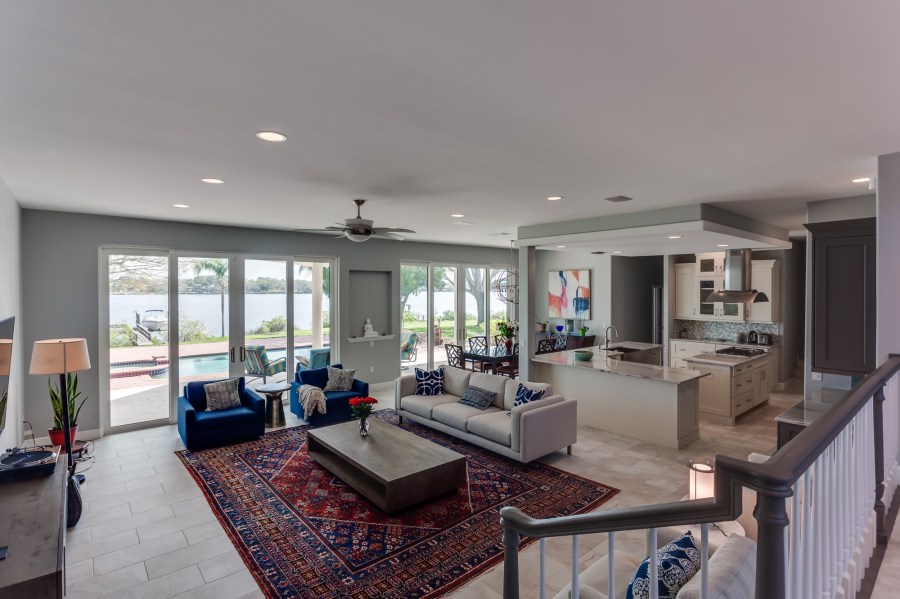
Even other architects who use the term may define it a little differently. That’s okay. When I ask prospective clients if they’ve found their Forever Home, their eyes often light up. Either they’re already living in it and want to make it better—or they’re planning for their next (and last) move. These are my people. The ones looking for permanence—not stagnation—but a strong foundation to build the next chapter of life.
Some people don’t need a Forever Home. They carry home within themselves, traveling freely and landing wherever life takes them. I admire that spirit—but I know I’m a homebody at heart. I love traveling too, but I’m happiest when I return to a space that’s mine.
And if I could, I’d design for more people who truly need a custom, thoughtful design but can’t afford it. Families squeezed into too-small rentals, DIYers piecing things together one weekend at a time, or those who need accessibility modifications that insurance doesn’t fully cover. Everyone deserves a Forever Home. Maybe someday we’ll have design insurance—so help is there when people need it most.
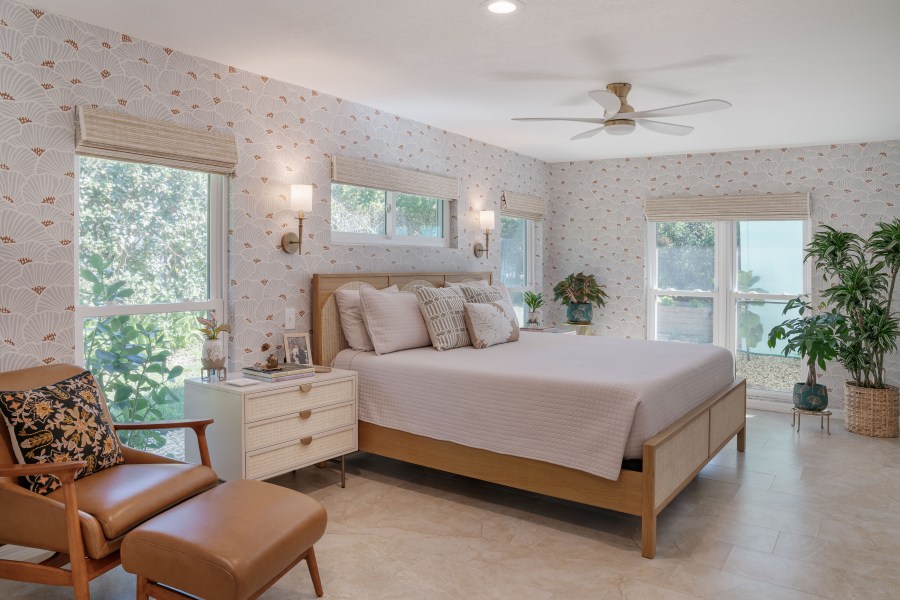
Your Forever Home Should Feel Like a Sanctuary
Your home is more than just a place to sleep or store your belongings. It should be your sanctuary—a peaceful place to recover from the outside world, recharge, and enjoy the things that matter to you. Whether you love hosting family dinners or curling up with a good book, your home should support your version of a good life.
And that includes practical things too. A Forever Home isn’t just beautiful—it’s livable. It’s easier to clean. It’s efficient to run. It doesn’t have empty rooms collecting dust or utility bills that eat into your joy. It works for you, not the other way around.
Designing your Forever Home means thinking about how you want to live now—and in the years to come. That’s what I help my clients do. Whether you’re planning to renovate your existing home or start fresh with a custom design, I’d love to hear your vision.
Visit ForeverHomeArchitect.com to learn more about the Nine Principles of a Forever Home, and how we can bring your vision to life.
 Design Lines