
Introduction
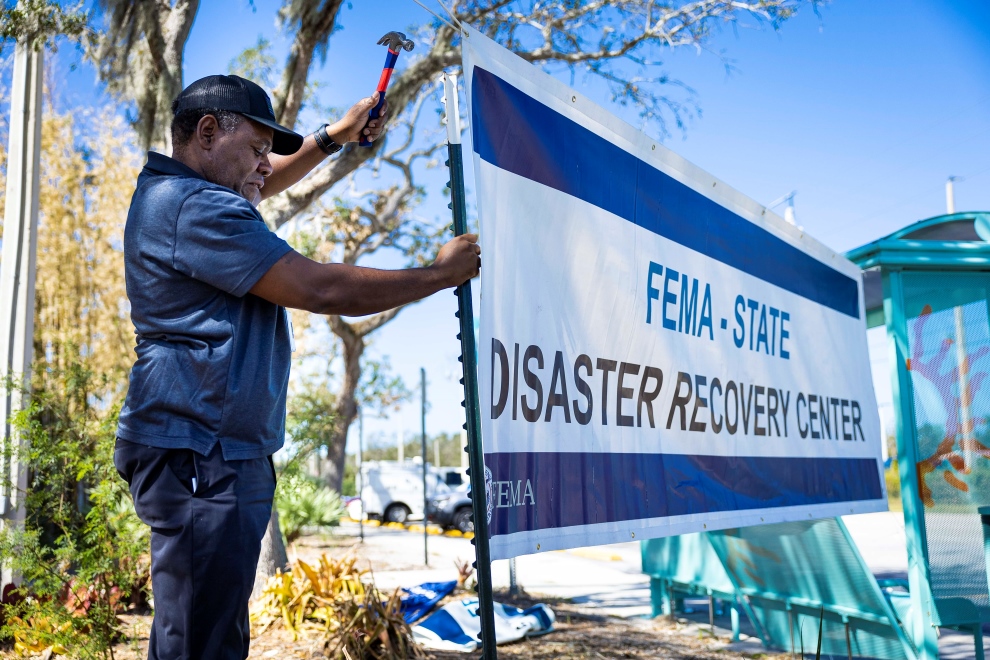
Recovering from a natural disaster, like a hurricane or flood, can be overwhelming. As an architect, I’ve seen firsthand how challenging this journey can be. My goal is to help you navigate recovery resources and rebuild homes that are not just restored but resilient.
Luckily, several FEMA programs and local resources can help you through the recovery and even assist in making your home more resilient. Here’s a breakdown of the programs that could help you during this difficult time.
FEMA’s Individuals and Households Program (IHP)
The Individuals and Households Program (IHP) is designed to provide financial assistance to homeowners affected by disasters. This assistance can be crucial for immediate recovery, covering housing repairs, temporary housing costs, and other essential needs. In 2024, the program offers up to $43,600 for both housing and other needs assistance, helping homeowners get back on their feet.
Housing Repairs Covered by FEMA
FEMA’s Individuals and Households Program (IHP) can help homeowners with essential housing repairs after a disaster. These repairs include fixing structural damage to the home, such as:
- Roofing repairs to prevent leaks and further interior damage
- Windows and doors that are broken or blown out
- Foundational repairs to ensure structural integrity
- Plumbing and electrical systems to restore basic services
The goal of IHP is to make your home safe, sanitary, and livable again after a disaster. However, it does not cover luxury improvements or non-essential upgrades.
Increased Cost of Compliance (ICC) Coverage
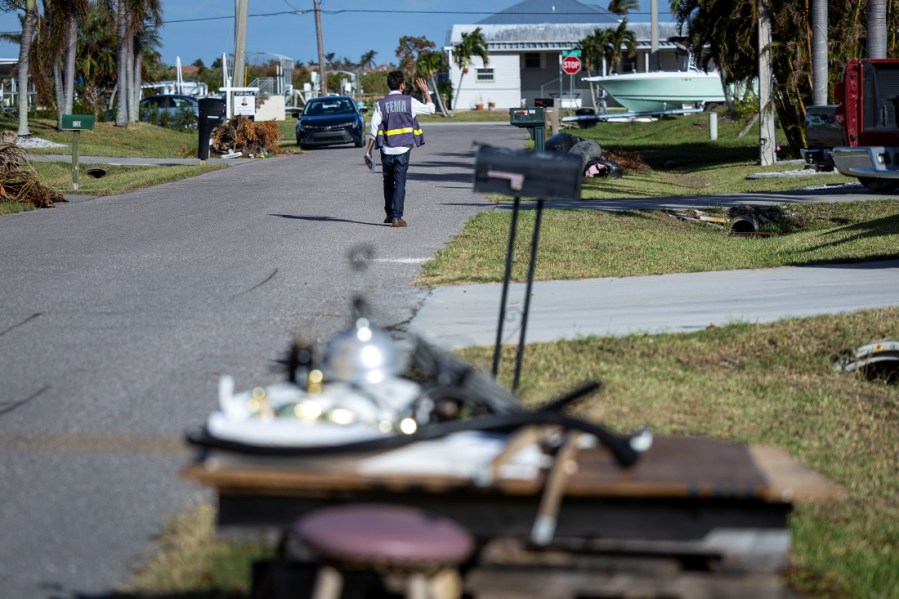
In some cases, you may need to make substantial repairs or adjustments to your home to comply with floodplain management regulations. FEMA’s Increased Cost of Compliance (ICC) coverage helps homeowners pay for necessary mitigation actions, such as elevating or relocating their homes, floodproofing, or adding flood-resistant features.
ICC coverage offers up to $30,000 for flood mitigation projects. If your home has been declared “substantially damaged” after a flood, ICC coverage can help fund these necessary improvements, allowing you to make sure your home is not only rebuilt but fortified for future events.
Features and Building Techniques Covered by Increased Cost of Compliance (ICC)
ICC coverage helps homeowners meet local floodplain management regulations by funding specific mitigation actions. Some key features and building techniques covered include:
- Elevation of structures: Raising the home above base flood elevation to reduce flood risk.
- Floodproofing: Adding barriers or seals to protect structures from floodwaters.
- Foundation improvements: Strengthening or raising foundations to reduce flood damage.
- Wet or dry floodproofing of non-residential spaces: Installing measures to allow water to enter and exit without damaging the building.
- Relocation: Moving the home to a safer location to avoid flood-prone areas.
These efforts ensure compliance with regulations while reducing future flood damage.
FEMA Hazard Mitigation Assistance
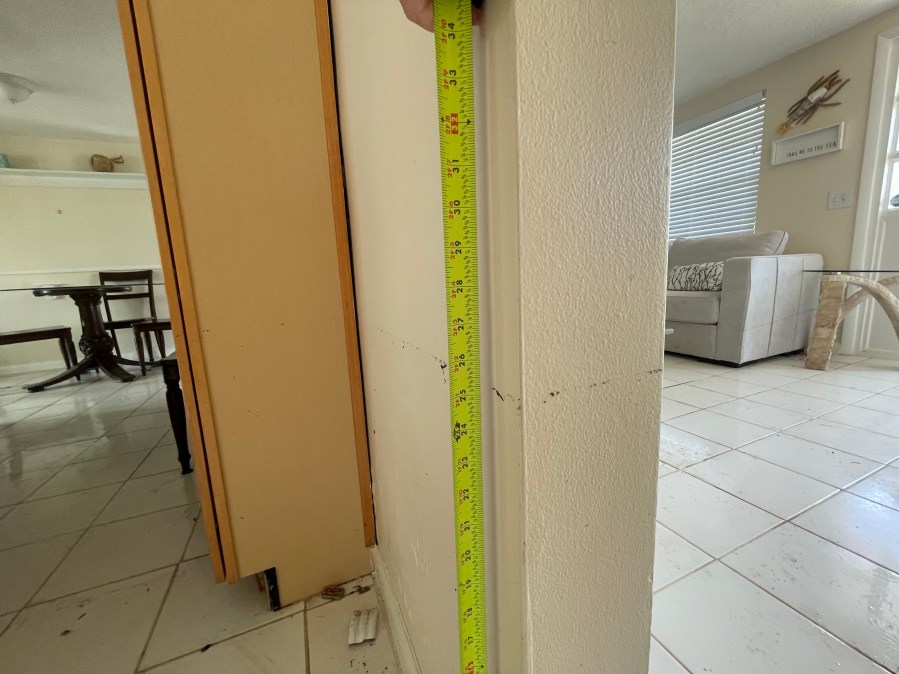
While recovery efforts are focused on rebuilding your home, you should also consider hazard mitigation to help prevent future damage. FEMA’s Hazard Mitigation Assistance program helps homeowners implement safety measures that can reduce the risk of flood and wind damage in the future.
Mitigation can include things like:
- Elevating electrical systems and HVAC units to avoid flood damage
- Installing flood vents to allow water to flow through the foundation and reduce the risk of structural damage
- Strengthening roofing and windows to make your home more resistant to high winds
Taking advantage of FEMA’s Hazard Mitigation funding helps ensure your home is better protected when the next storm strikes.
More details are available in the FEMA Homeowners Guide.
How to Apply
Applying for FEMA assistance is a straightforward process, but timely action is crucial. Here’s how:
- Register with FEMA: Visit disasterassistance.gov, call FEMA’s helpline at 1-800-621-FEMA (3362), or use the FEMA app.
- Provide Documentation: You’ll need identification, proof of residency, and documentation of disaster-related losses.
- Schedule an Inspection: FEMA may inspect your property to assess the extent of damage.
- Await a Decision: FEMA will notify you of your eligibility and the type of assistance available.
Key Points to Remember
- FEMA assistance is not taxable and does not affect eligibility for Social Security, Medicare, or other federal benefits.
- Assistance is limited to primary residences and does not cover secondary homes.
- Funds provided must be used as outlined by FEMA; misuse can lead to repayment obligations.
Support Beyond FEMA
While FEMA’s IHP is invaluable, it’s often only the beginning. Additional resources, including insurance claims, Small Business Administration (SBA) disaster loans, and local recovery organizations, can further support your journey to recovery.
FEMA Assistance Does Not Cover Vacation Homes
FEMA assistance is specifically for primary residences only. Vacation homes, second homes, and properties used as rental units, such as AirBnB or VRBO listings, are not eligible for disaster relief through FEMA’s Individuals and Households Program. If your property is a vacation home or rental, it will not qualify for assistance under these programs.
Property Tax Refunds for Catastrophic Events
If your home is rendered uninhabitable due to storm damage, you may be eligible for a property tax refund. This program is available to homeowners whose properties were uninhabitable for at least 30 days due to a catastrophic event, such as a hurricane or flood.
To qualify, you must submit Form DR-465 (Application for Catastrophic Event Tax Refund) to your county’s Property Appraiser’s office. This form must include supporting documentation showing that your home was uninhabitable after the event. Some common documents that can serve as evidence include utility bills, insurance claims, contractor statements, and permits.
The deadline to apply for a tax refund is March 1 of the year following the event. Keep in mind that while the refund can be significant, you must still pay your 2024 property taxes before a refund is issued.
Integrating Mitigation into Rebuilding
FEMA’s Hazard Mitigation Assistance lays the groundwork, but implementing a comprehensive mitigation plan requires professional expertise. With the right materials and design strategies, you can reduce future risks and enhance your home’s resilience.
Flood-Damaged Homes: Durable materials like concrete, ceramic tile, or terrazzo minimize water damage on lower levels. Avoid using drywall in flood-prone areas to reduce repairs after future flooding.
Wind-Damaged Homes: Strengthen your home with hurricane clips, impact-resistant windows, and reinforced doors. These upgrades ensure your home can better withstand Florida’s high winds.
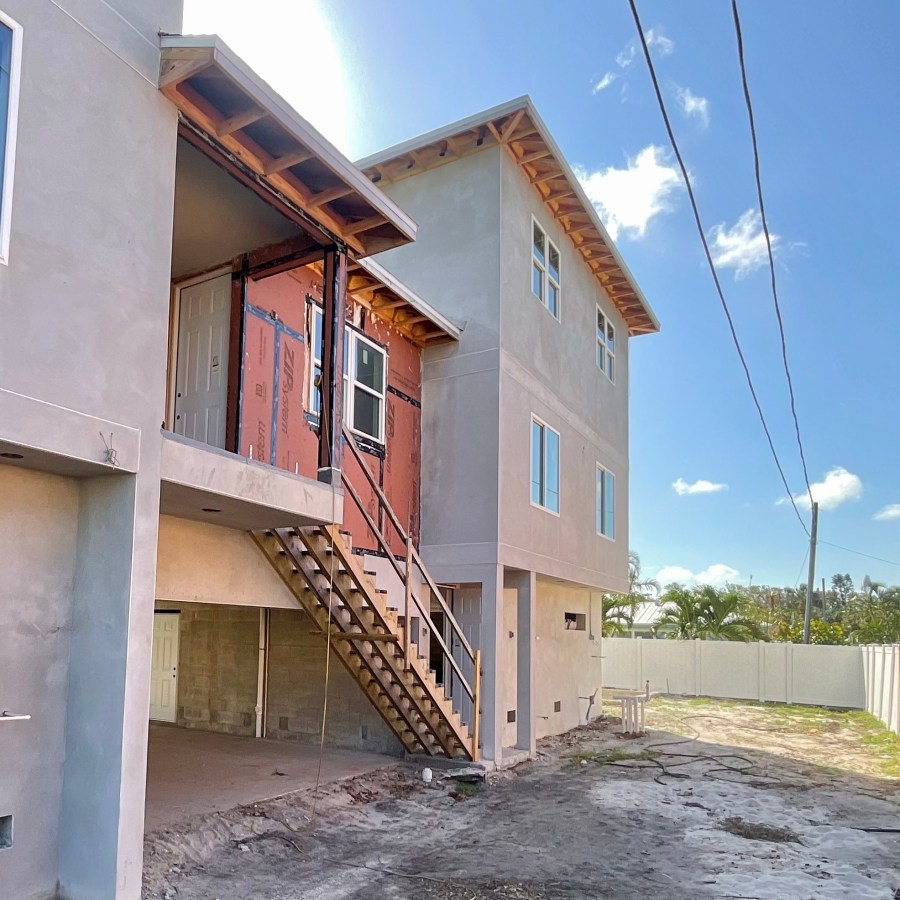
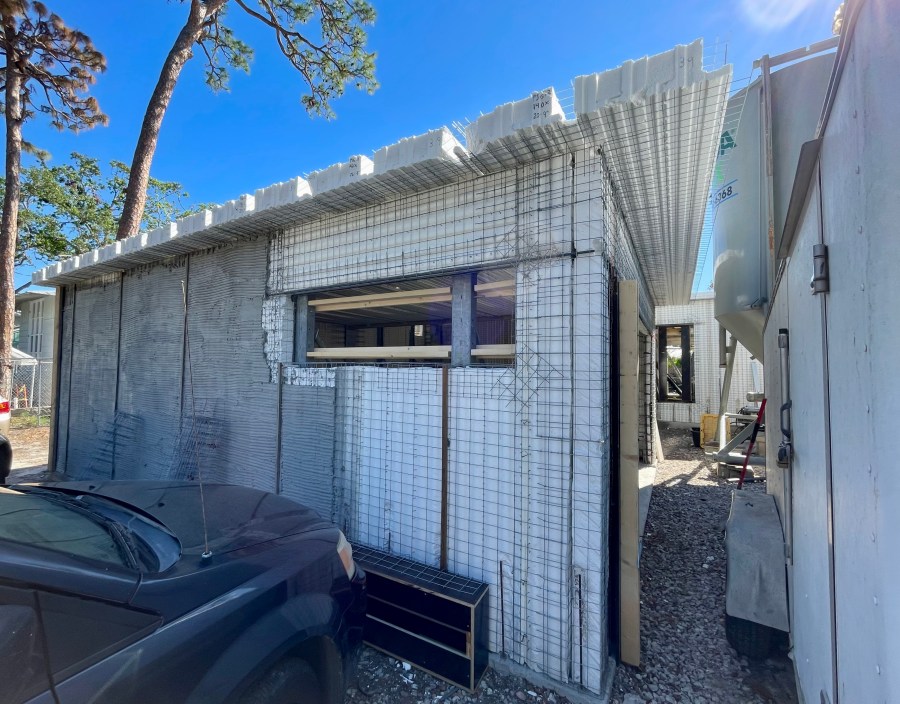
Resilient Homes: In flood zones, consider moving your living spaces upstairs with an addition, elevating your home above base flood elevation, or rebuilding with advanced materials like SCIPs (Structural Concrete Insulated Panels). SCIPs provide exceptional durability and energy efficiency, making them ideal for Florida’s challenges. These panels support versatile designs, allowing for features like flat roofs to create patios or terraces that maximize views. Alternatively, SCIPs accommodate low-sloped roofs with built-in insulation, enabling striking sloped ceilings reminiscent of Mid-Century Modern homes.
Ready to rebuild smarter and stronger? Contact us to create a disaster-resistant, energy-efficient home tailored to Florida’s challenges. Planning proactive upgrades? We can help you create a home that not only meets FEMA’s mitigation standards but also exceeds your expectations.
Conclusion
As a homeowner, navigating the aftermath of a catastrophic event can be overwhelming. But there are resources available to help you recover and strengthen your home for future challenges. FEMA programs like IHP, property tax refunds, hazard mitigation, and ICC coverage offer financial assistance and support to ensure you can rebuild smarter and safer.
Remember to stay informed about the programs that apply to your situation. And if you’re planning repairs or upgrades, don’t hesitate to reach out for professional guidance. As always, my goal is to help you design homes that stand strong and resilient in the face of whatever comes next.
Feel free to reach out if you need help with your home’s design and mitigation plans.
 Design Lines
Hi! I wanted to compliment you on all the helpful information you have provided here.Take care!
LikeLike
This blog was incredibly informative, thank you for breaking down such a complex topic into practical steps. It’s a must-read for any homeowner preparing for the unexpected!
LikeLike