
For homeowners in flood-prone areas, the aftermath of flooding often includes the costly task of replacing water-damaged drywall (also called sheetrock or paper-faced gypsum board). Once drywall becomes saturated, it weakens and fosters mold growth, making it necessary to tear out and replace the affected areas. Fortunately, there are more resilient alternatives that can withstand moisture, making them ideal for both new construction and flood recovery efforts.
The Problem with Drywall in Flood Zones
Drywall is widely used for its affordability and ease of installation, but in flood-prone regions, it poses serious drawbacks. Once soaked, drywall begins to deteriorate, warping and harboring mold that can endanger your home’s structural integrity and indoor air quality. For homeowners tired of the endless cycle of replacing drywall after every storm, there are better solutions available.
Durable Alternatives to Drywall for Flood-Prone Homes
1. Cement Board
Cement board (or cement backerboard) is a highly water-resistant material often used as a base for tile in bathrooms and kitchens, but it’s also an excellent option for replacing flood-damaged drywall. Composed of cement and fiberglass, this material doesn’t absorb moisture, making it resistant to mold and rot. Cement board can be installed in place of drywall in flood-prone areas like garages and lower levels.
- When to Use: Perfect for replacing drywall in high-moisture environments.
- Replacement Advantage: Does not deteriorate after water exposure, reducing the need for future tear-outs.
2. Fiber-Reinforced Panels (FRP)
Fiber-reinforced panels (FRP) are durable and easy to clean, often used in commercial settings but also effective for homes in flood zones. These panels resist moisture and mold, and unlike drywall, they can be hosed down and disinfected after a flood. FRP can be installed over studs or over existing materials like damaged drywall.
- When to Use: Best for areas like basements, garages, or utility rooms.
- Replacement Advantage: Can be cleaned after flooding without needing full replacement.
3. Magnesium Oxide (MgO) Board
Magnesium oxide boards are an increasingly popular choice for homeowners in flood zones due to their exceptional durability. These boards are water-resistant, mold-proof, and fire-resistant, making them a more resilient alternative to drywall. They are eco-friendly and can be used to replace drywall in any room, ensuring your home is better protected against future flooding.
- When to Use: Ideal for all areas of the home, especially ground floors vulnerable to flooding.
- Replacement Advantage: Won’t need replacement after flood exposure, reducing repair costs in the long term.
4. Plywood with Water-Resistant Coating
Plywood is another good alternative, especially when treated with water-resistant coatings or using marine-grade plywood. Unlike drywall, plywood is structurally strong and does not absorb water as easily. When properly sealed, it can be used to replace drywall in areas that experience frequent flooding. It also adds strength to walls and can be finished with paint or other coatings for aesthetic appeal.
- When to Use: Best for structural areas or lower levels prone to flooding.
- Replacement Advantage: Can often be dried and reused after a flood, especially when treated with a protective coating.
- Note: Plywood is made in layers, which can dry out to their original size and shape after getting wet. However, avoid using OSB (Oriented Strand Board)—made of small wood pieces—because it swells when wet and does not return to its original shape, leading to permanent damage.
5. PVC or Vinyl Panels
Vinyl or PVC panels are completely waterproof and provide a low-maintenance alternative to drywall in flood-prone areas. These panels are easy to install, clean, and disinfect, making them a practical solution for homeowners who have experienced repeated flooding. While they may not offer the traditional aesthetic of drywall, they can be painted or finished in different styles.
- When to Use: Ideal for basements, laundry rooms, and garages.
- Replacement Advantage: No need for replacement after flooding—simply clean and sanitize.
| Material | Typical Use | Average Price for 4’x8′ panel (October 2024) |
|---|---|---|
| Drywall/Sheetrock | Non-flood area walls | $14 to $16 |
| Cement Board | Behind tile | $30 |
| FRP Board | Restaurants, Kitchens, Bathrooms, Food Processing Facilities | $40 to $80 |
| MgO Board | Wall and ceiling panels inside and outside | $70 |
| Exterior-grade Plywood | Behind siding on wood frame walls | $42 |
| Marine-grade Plywood | Spas, gyms and boat-building | $120 |
| PVC or Vinyl Panels | Commercial kitchens, freezers, wet rooms, etc | $25 to $120 |
Key Considerations for Replacing Flood-Damaged Walls
Switching to flood-resistant alternatives to drywall is a smart move, both financially and structurally. Here are a few key factors to consider when replacing damaged drywall:
- Cost Efficiency: While some of these alternatives may have higher upfront costs than drywall, they offer long-term savings by reducing or eliminating the need for future replacements after floods.
- Mold Resistance: One of the biggest risks of wet drywall is mold growth, which can pose health hazards. Choosing water-resistant materials like cement board or MgO boards helps prevent mold, keeping your home healthier.
- Durability: Many of these materials, such as cement board and vinyl panels, are not only water-resistant but also resistant to impact and general wear and tear, making them durable options for high-traffic areas.
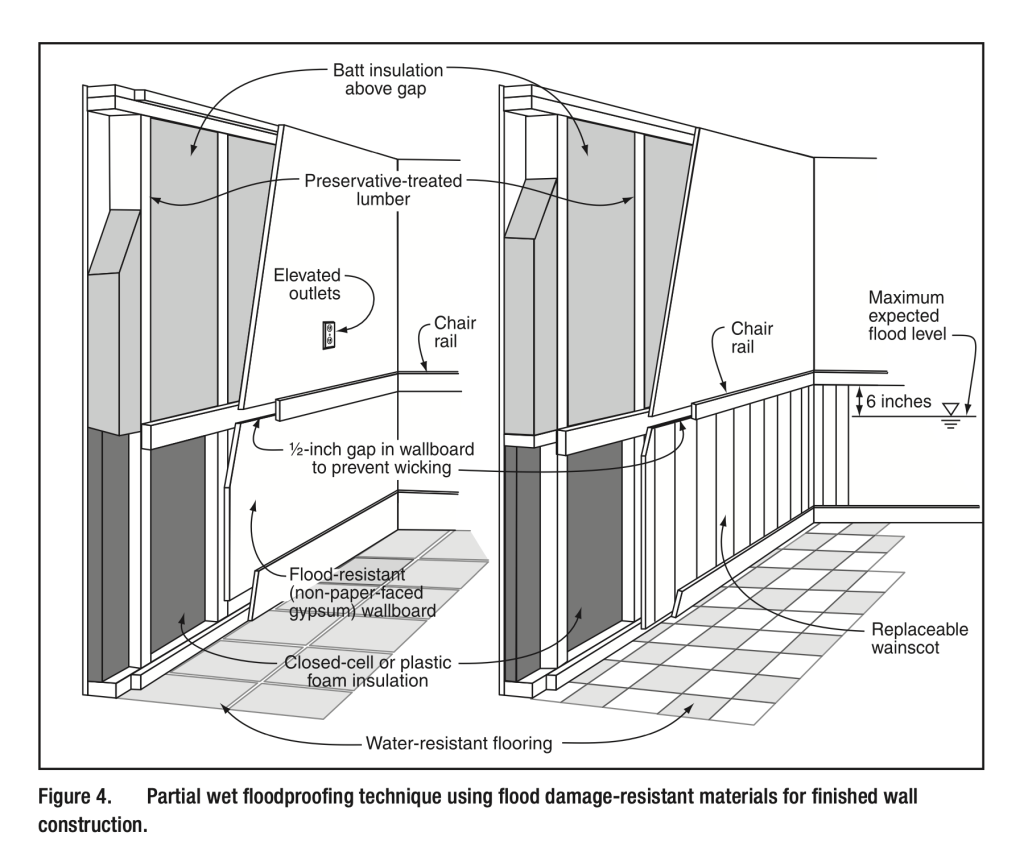
- Temporary Panel Removal: Using screws to install panels allows for easy removal after a flood, enabling the wall cavities and wood framing to dry out before reinstallation. This can significantly reduce long-term moisture damage.
- Cleaning and Sanitizing: It’s essential to clean or sanitize any materials that have been exposed to floodwaters before reinstallation. This step ensures the removal of contaminants and reduces the risk of mold growth, allowing the materials to be reused safely.
Water-resistant boards or panels, such as plywood, fiber-reinforced panels (FRP), magnesium oxide (MgO) boards, and cement board, are designed to repel moisture, allowing them to handle damp conditions or occasional exposure to water. However, they are not entirely impervious, and prolonged exposure to water can eventually lead to issues like swelling, warping, or mold over time. In contrast, waterproof boards, like PVC panels, are completely impervious to water. These materials can be fully submerged or exposed to heavy moisture without absorbing any water or sustaining damage, making them excellent choices for flood-prone areas or locations requiring long-term durability against moisture.
Conclusion: Building Resiliently After Flooding
Replacing drywall after a flood can be costly and frustrating, but it doesn’t have to be inevitable. By choosing resilient, water-resistant materials, you can rebuild your home in a way that stands up to future floods. These materials not only save you money in the long run but also provide peace of mind, knowing that your home is better protected against the elements.
If you’re looking for more information on flood-resilient building materials or need help replacing damaged walls in your home, feel free to reach out for expert advice.
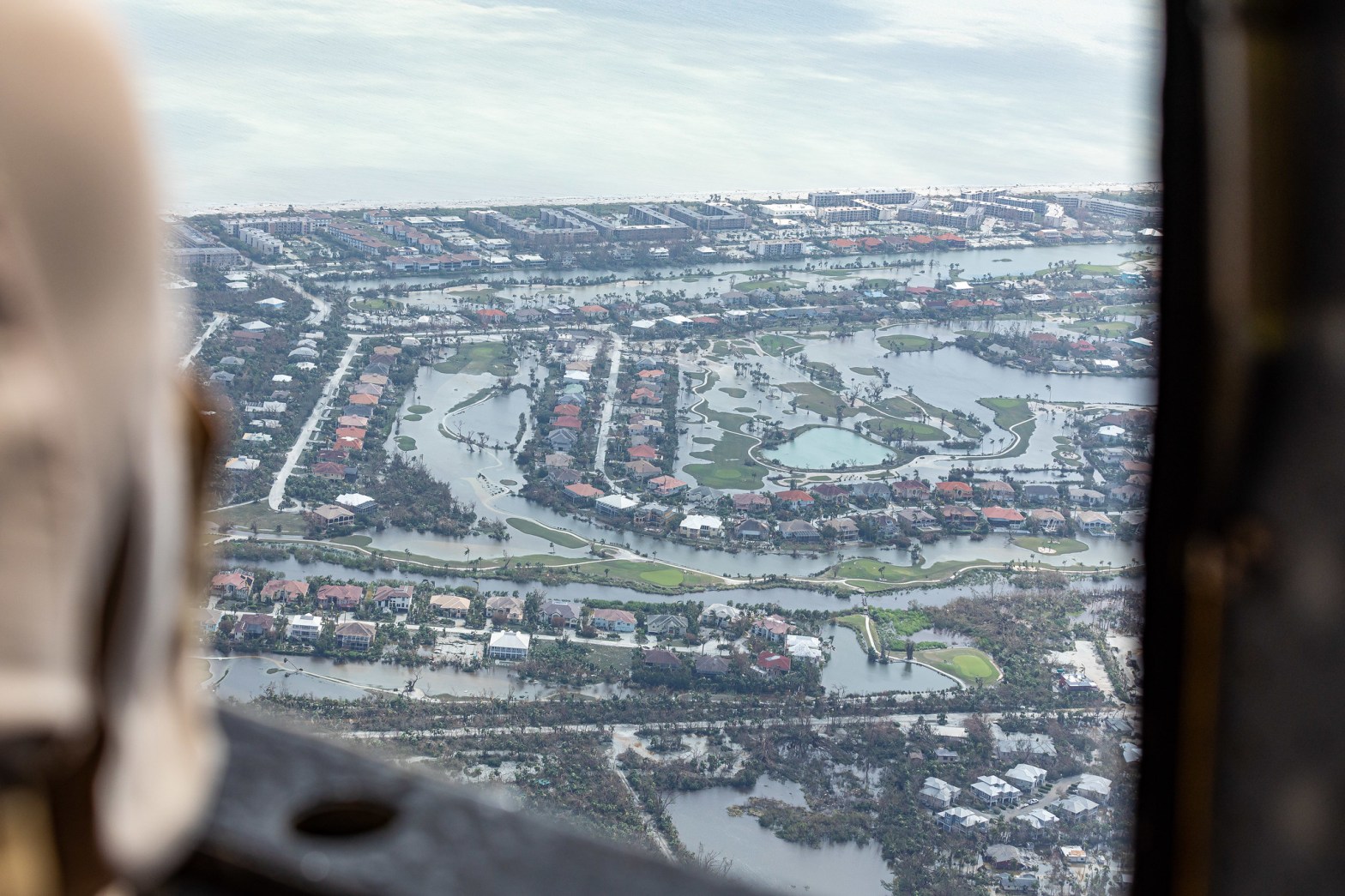
* Featured image of Hurricane Ian damage taken September 29, 2022, by Ozzy Trevino for the US Customs & Border Patrol.


This was really interesting. I had no idea that there were so many other alternatives. You forgot one … MOVE! 😆
Sent from my Verizon, Samsung Galaxy smartphone
Get Outlook for Androidhttps://aka.ms/AAb9ysg
LikeLike
Thanks, Paula. We highly recommend that those who choose the risk should consider remodeling their home to raise all the living areas above the flood level.
LikeLike