
When remodeling your home or building a new one, have you considered the various window options available? The type of windows and the materials they are made from can significantly impact the comfort, energy efficiency, and aesthetic appeal of your home. Let’s explore the different choices to help you make an informed decision.
Frame Materials
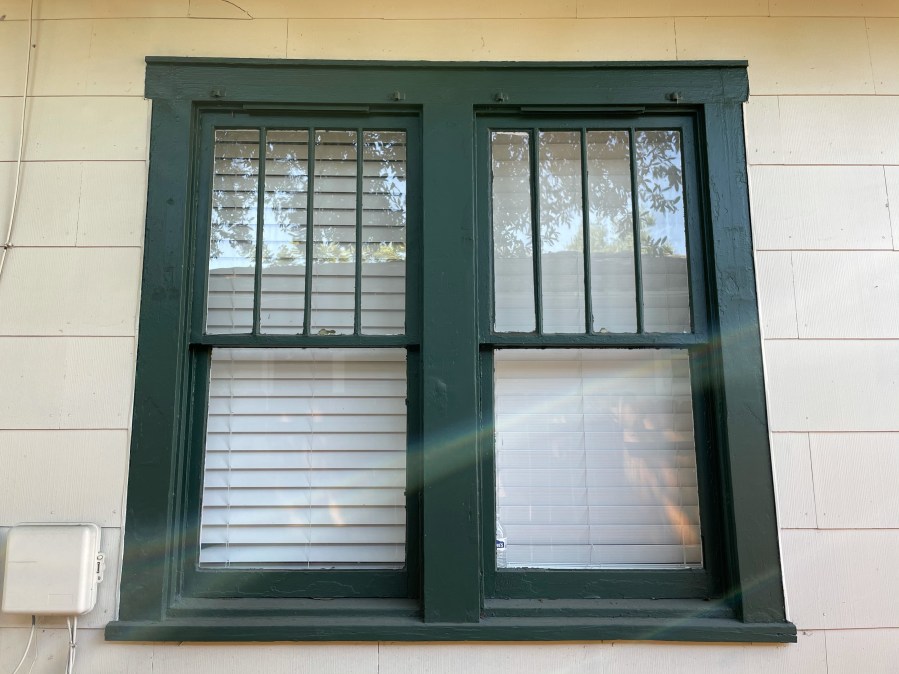
In Florida, wood windows are less common due to the high humidity, which causes them to expand and contract. This can lead to difficulties in opening them during hot weather and air leakage during colder months. However, wood windows are a great choice for historic renovations where maintaining the original look is essential.
PVC (polyvinyl-chloride) or “plastic” windows are popular due to their low maintenance and good insulation properties. However, be cautious of cheaply made PVC windows, as they can have issues with handles and hardware breaking even before the home is completed.
While aluminum windows are not always the first choice due to the poor insulation of older models, modern thermally-broken aluminum frames offer better performance. These frames, made in two parts connected by a non-metal material, provide strength and durability, allowing for larger windows with thinner frames. Powder coating can protect aluminum from corrosion, making it a viable option in coastal areas.
Fiberglass can be a good option, as well. Several manufacturers make fiberglass windows or fiberglass mixed with another material. Fiberglass windows are strong, low maintenance, and less prone to expansion and contraction compared to other materials. They can be painted or left as-is and are an excellent choice for exterior doors to prevent water damage.
Don’t forget the glass!
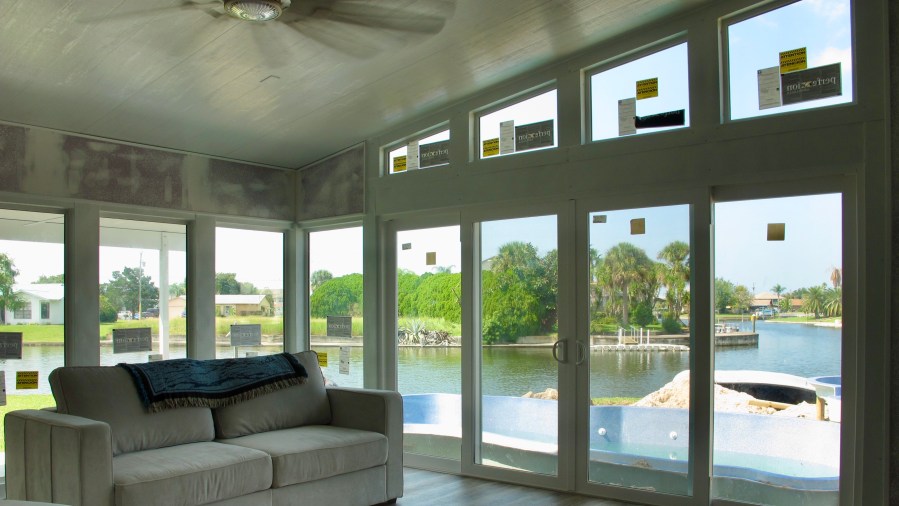
Most windows made in the USA use glass made by one of 2 glass manufacturers. It is rare to have problems with the glass in the life of a window. More often, a storm will break the glass, or the argon or air seal between 2 panes of glass will fail. In both cases, you can replace the pane or the whole window. Your windows may be made of glass only or glass and another clear material, all of which are termed glazing.
Regular window glass is annealed, which just means it is cooled slowly so there is no waviness or bubbles like historic glass windows. Today, we have double and triple-pane windows that use air or argon gas between the pieces of glass for better insulative values, and reduced noise. We also can put a coating or lamination onto the glass to control the amount of heat, light, and glare that comes inside (or keep the heat in, if you live Up North). Low-e is an option that reduces heat, glare and UV rays. Turtle glass is sometimes a requirement in beachfront communities to limit the amount of indoor light that can be seen outside at night (which can confuse newly hatched baby turtles who use the moonlight to find their way to the water).
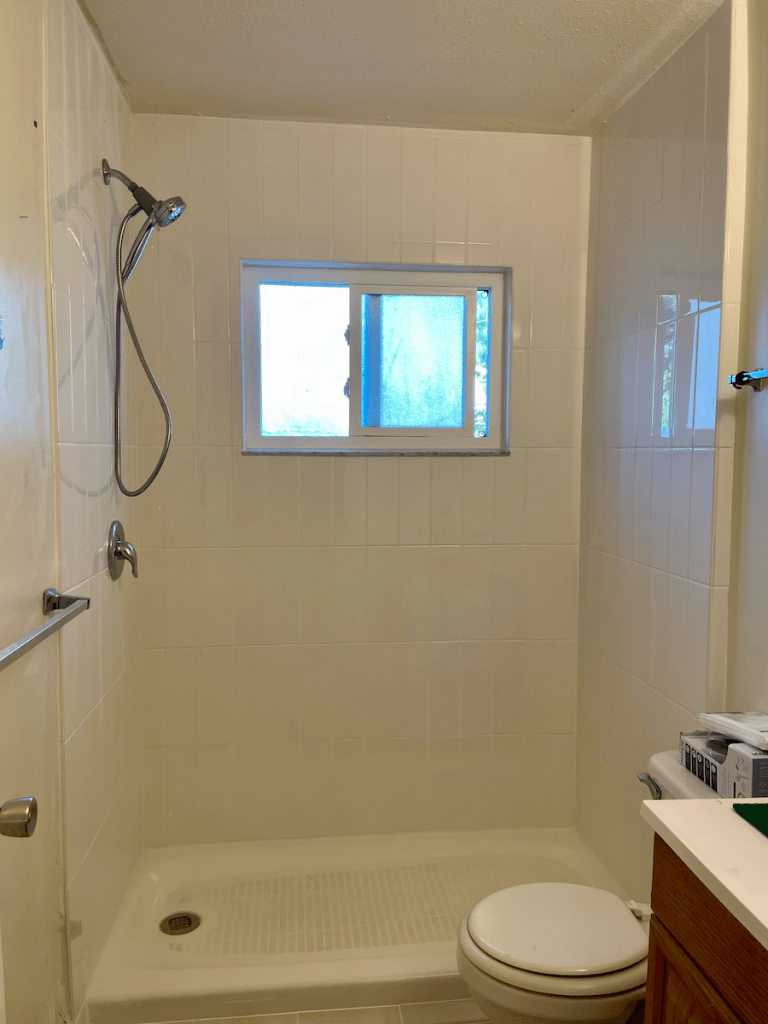
Tempered glass is called safety glazing. It’s installed in doors to withstand the opening and closing (and slamming). We use tempered glass near bathtubs and showers for safety and in glass railings.
In hurricane areas, or other high-wind places (mountains, etc), we highly recommend using impact-resistant glazing. It behaves like car windshields, breaking into small pieces but remaining intact due to a clear plastic layer. Impact windows can include impact glass as well as double-panes with argon glass and Low-E coatings. Impact glazing can also be a security feature.
Window Types
There are many different ways to open a window, and some manufacturers offer more options than others. The basic operations are: sliding (up and down, or side to side), and hinged (like a door or awning).
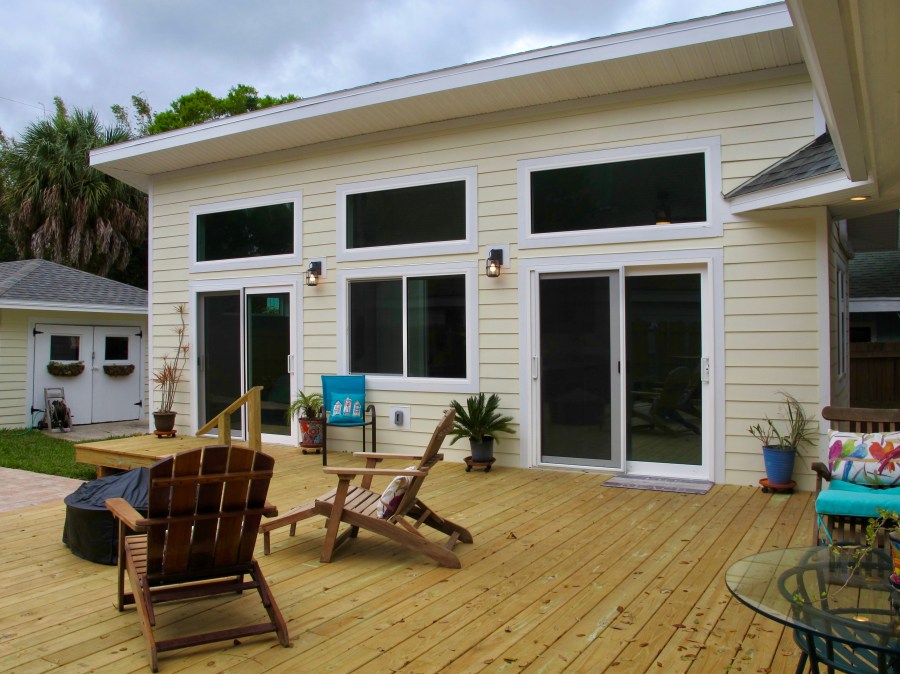
Sliding or horizontal gliding windows open to the side like a sliding glass door. One-third to one-half of the window can be open for cross-ventilation. Most manufacturers make this style. However, the track sometimes needs to be cleaned out, and they should be closed when it’s raining. There are also single-hung windows (the bottom half slides up and down) and double-hung windows (both parts slide). These are great to keep open a little when it’s raining, and the double-hungs will allow ventilation at ceiling height. However, they can be impossible to open if you have to lean over a countertop to operate them. All the sliding window types can be made in sizes as large as a doorway.
Hinged windows include casements that open like swinging doors, and awning windows, which are hinged at the top and you push the bottom out. Hinged windows are great for cross-ventilation since they open 100% of the opening. Most are reinforced so they won’t sag over the years, or close suddenly due to wind. Awning windows will keep out the rain. These windows shouldn’t be used where they would open onto a walkway or patio directly outside the house. Often, these types of windows are not available in lower-priced window lines.
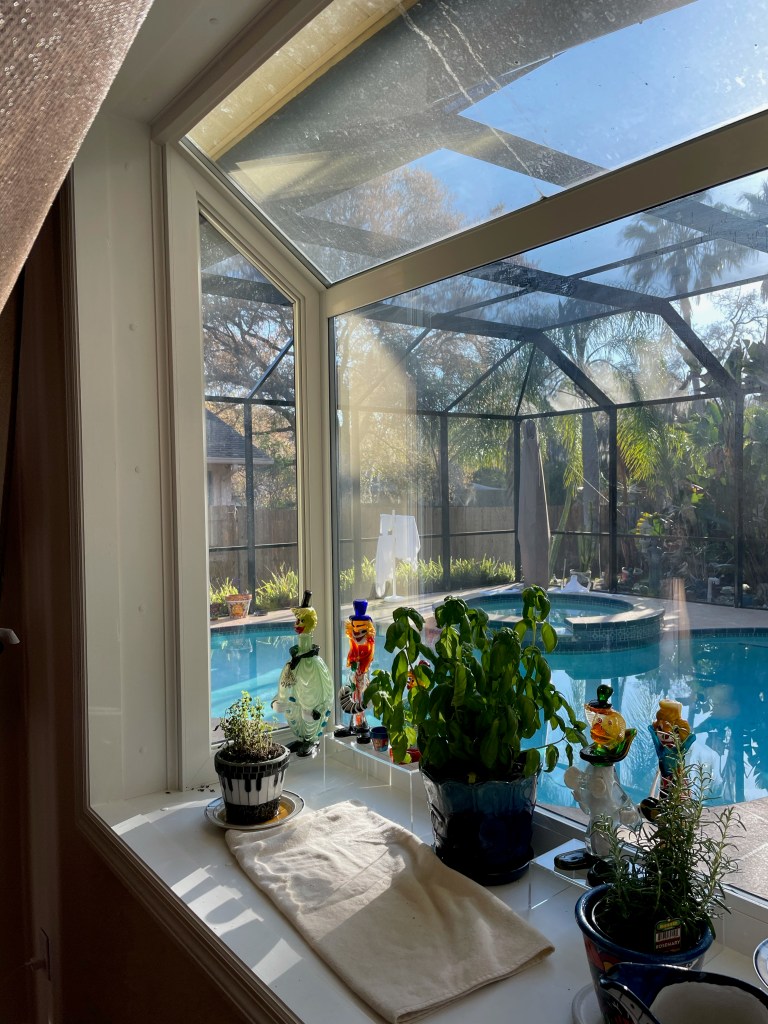
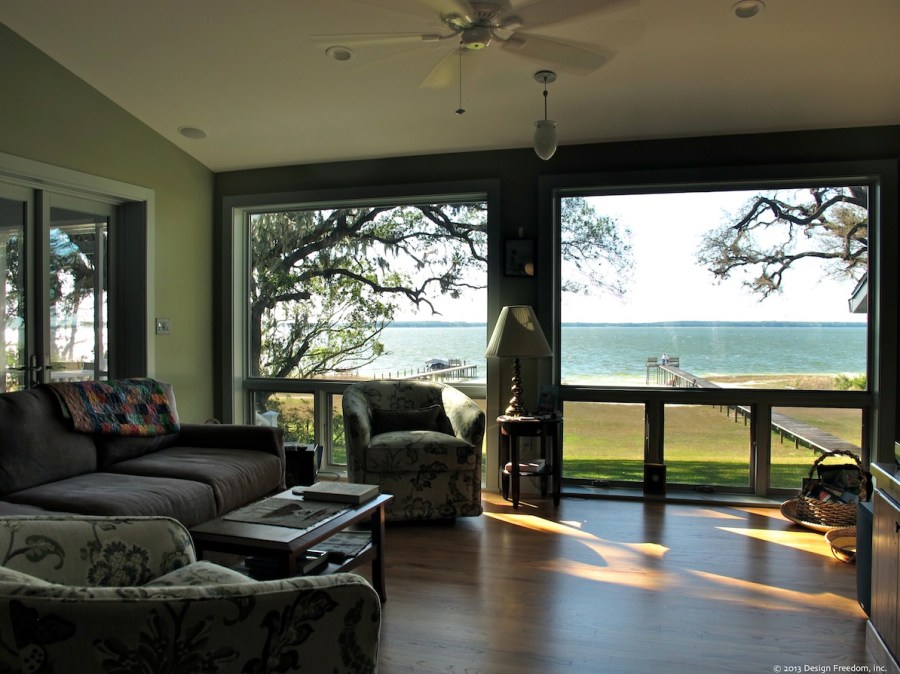
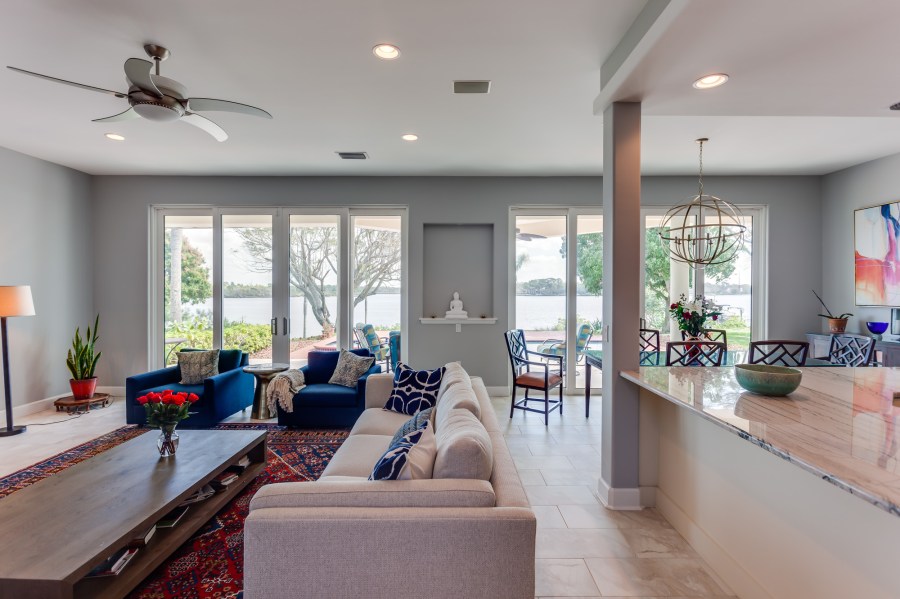
Other windows include fixed or picture windows – great for a large expanse of glass, especially if there are smaller, operable windows next to it. Bay and bow windows push out from the house, using sliding, hinged or fixed windows, sometimes including a window seat, but are not as fashionable today. A few kitchens sport a greenhouse window, a smaller bay window with a shelf or two for herbs or flowers. There are folding windows and glass doors, mainly used on large, coastal homes, for seamless indoor-outdoor entertaining.
Costs
Costs vary based on the number, size, and type of windows. PVC windows are typically the least expensive, while wood and fiberglass windows are pricier. Impact glazing can double the cost of a window, and installation costs should be factored in.
We highly recommend shopping around and getting some estimates so you are more educated on the entire cost. Visit multiple showrooms even if a window installer offers to come to your house for free to measure & give you an estimate.
A recent window package estimate (Tampa Bay, Spring 2024) included mid-grade PVC sliding windows with impact glazing for an addition:
- $1,125 for a 3-foot-by-5-foot window, plus installation
- $2,500 for a 5-foot wide sliding glass door, plus installation
Warranties
Making sure the windows operate correctly and include the correct screens or hardware when they are installed is important. Your contractor or window installer should correct anything that you notice before your home is completed. If a window is hard to open or close, it may not be square in the opening, which is likely the fault of the installer, not a problem with the window itself.
Ensure your windows come with appropriate warranties, which typically cover replacement parts and sometimes labor for a certain period. Be aware of specific conditions, such as proximity to the coast, that can affect warranty coverage. Regular maintenance, like cleaning, but avoiding pressure washing, can help preserve your windows and their warranties. Also, lower-priced windows often carry very limited warranties.
Since the glass for most windows is made by only a few manufacturers, their warranties are very similar. Typical warranties cover 10 or 20 years, parts only or full replacement costs, but there are very specific and stringent requirements to meet the level of replacement. Condensation between the glass panes is usually not considered a defect. Also, remember that impact-resistant glazing is not impact-proof.
Common window warranty elements:
- Limited lifetime warranties may only apply to the original window owner, and not to future owners of the house. Transferrable warranties may extend to one or more future owners, or within a timespan based on the original installation date.
- Warranties often only include the cost of a repair or replacement part. The homeowner must pay the cost of shipping the new parts, and the labor for someone to replace and install the parts. The warranty may be pro-rated, at 100% a few years after installation to only 25% a decade later. The homeowner should make a claim with their home insurance for further damage (for example, water damage to walls, floors, electronics and appliances caused by the leaking or broken window).
- Warranties often exclude hurricane weather (high winds, flooding, wind-driven rain). You must rely on your home and flood insurance for these.
- Painting the windows, or applying window films later, can often void the warranty.
- Warranties have separate timelines for different parts of the window. For example, the frame may have a lifetime warranty, but the hardware and screens only carry 2-year warranties. Also, the finish on the frame may have a separate warranty as well.
- Some warranties are void if the house is located within a pre-determined number of miles from a saltwater coast (sometimes up to 4 miles from the coastline).
- Be careful if you pressure-wash your house, as this may force water into and through the window, and is not subject to warranty provisions.
Additional Notes
Don’t forget to consider screens, child-proof safety locks, and other features. These and other questions should be asked when you visit one or more window & door showrooms. Besides seeing the different materials and styles available, you can check out the quality of the frames in person, and try out how they work. You may be surprised how much easier it is to open a new window than the 50-year-old windows you have been living with. And you will want to see the color and finish options for the window frames and hardware in person, rather than picking them from a webpage.
We are happy to discuss more about all things window! Contact us through our websites at www.ForeverHomeArchitect.com (especially for homeowners) or www.designfreedominc.com.
 Design Lines