
Designing your Forever Home is an exhilarating journey, but before the first block is laid or the initial blueprint drawn, there’s a crucial phase that sets the stage for success: Pre-Design. In this pivotal stage, architects delve into the intricacies of your building site and your home, if your project includes an addition or remodeling. Let’s explore how these essential processes lay the groundwork for your future home.
(This post expands on the information in a previous post: https://designlines.blog/2024/03/18/your-blueprint-to-success-a-guide-to-architectural-pre-design/)

Measuring Your House: Ensuring Precision in Design
This step is fundamental for projects involving renovations, additions, or adaptive reuse of existing structures.
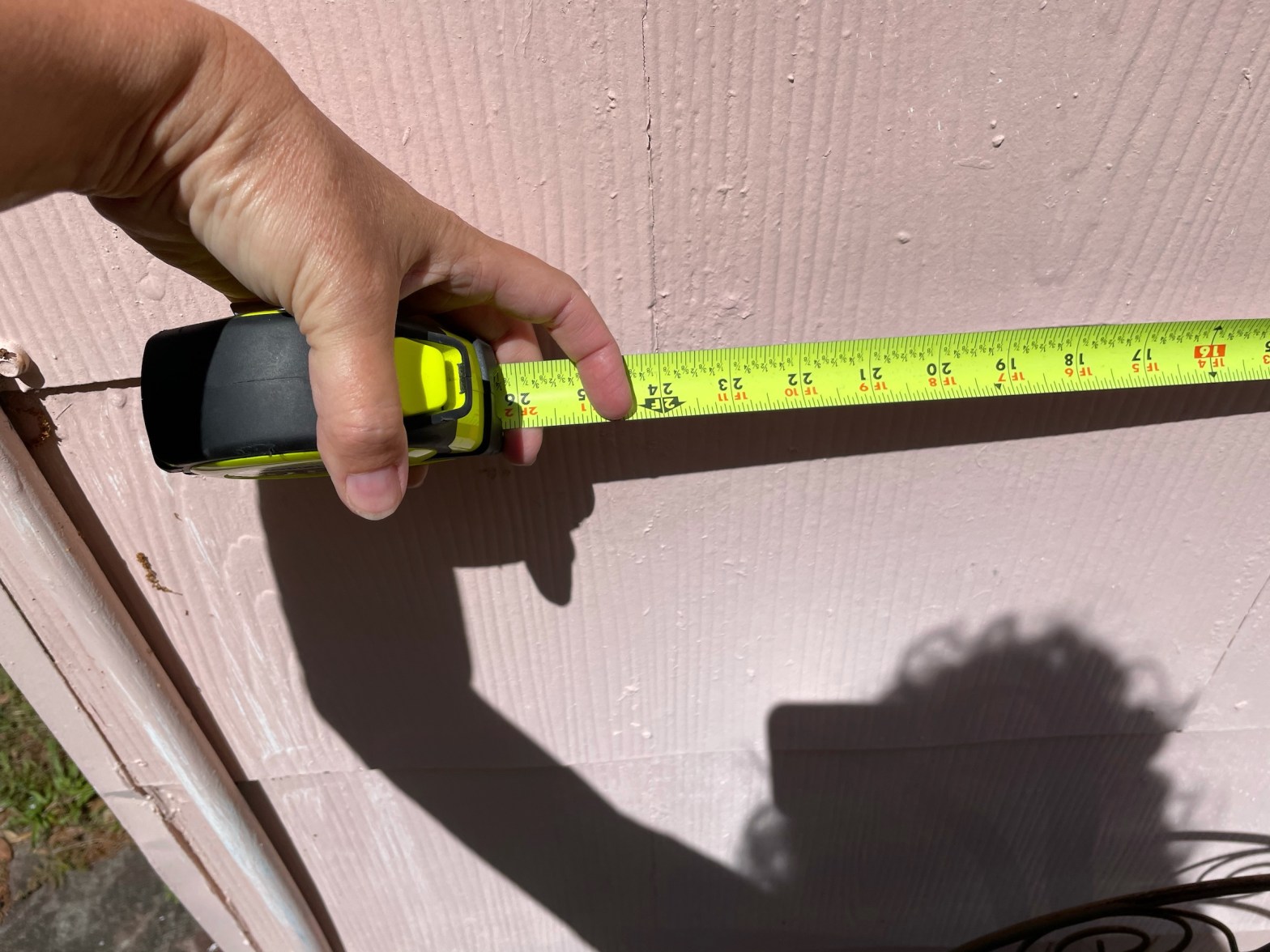
The process of measuring your house involves a meticulous examination of its interior and exterior dimensions, layouts, and structural elements. Armed with tape measure, camera, and an iPad with scanning capabilities, the Architect meticulously records every detail, from room dimensions to wall thickness and ceiling heights.
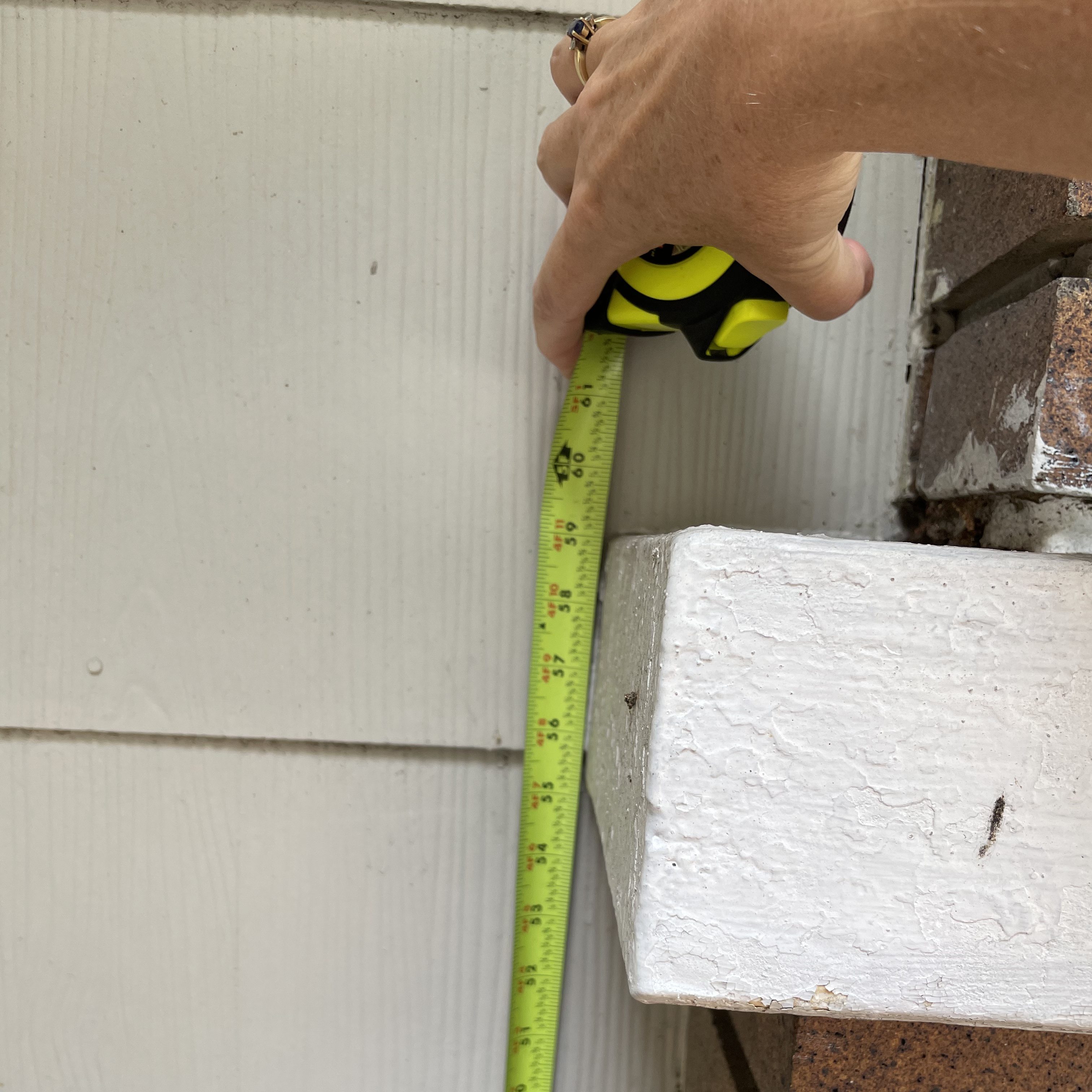
Beyond mere numbers, this exercise offers invaluable insights into the spatial dynamics and functional flow of your home. By immersing themselves in the physical space, the Architect gains a deeper understanding of its unique characteristics, quirks, and potential challenges. Especially if your home has had remodeling and additions added to it in the past.
Moreover, measuring your house allows the Architect to identify opportunities for optimization and improvement. Whether it’s maximizing natural light, optimizing spatial arrangements, or enhancing circulation patterns, these measurements serve as the foundation upon which new design elements are seamlessly integrated with the existing framework.
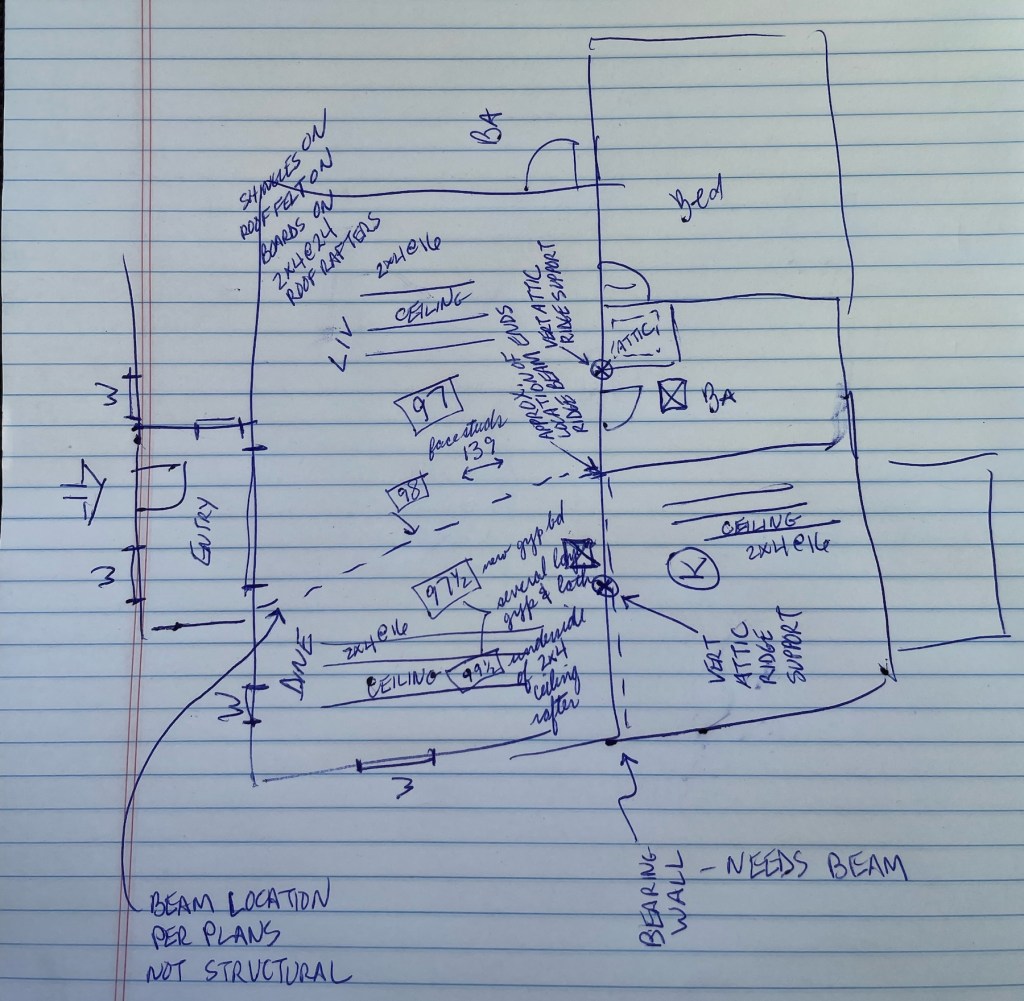
Furthermore, precise measurements ensure that proposed design solutions align harmoniously with the existing structure, preserving its architectural integrity while breathing new life into the space.
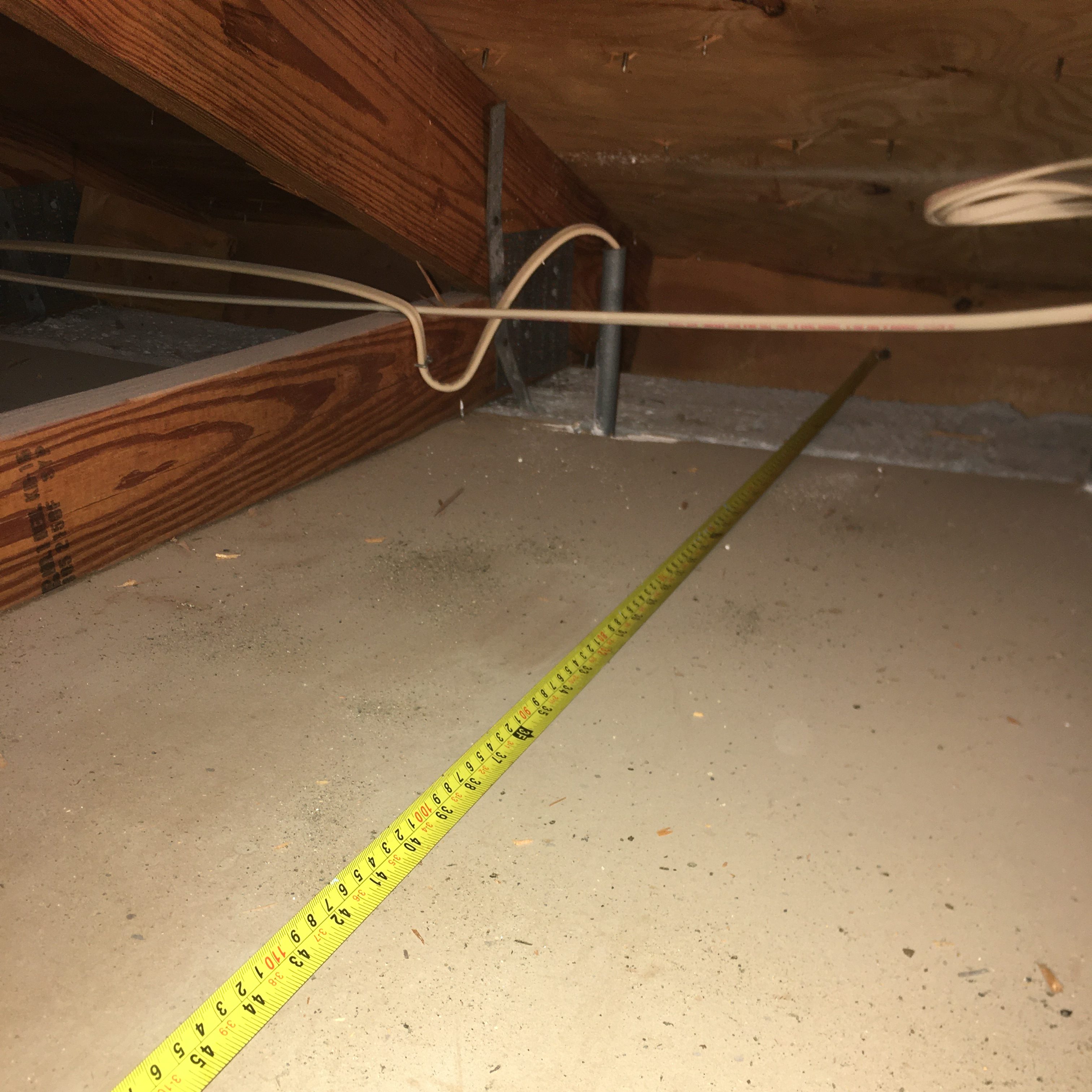
It takes about 2 hours to photograph, scan and measure an average-sized house. Your Architect will need access to the interior of your home, including the attic, all utility areas, and outside.
Ultimately, the meticulous process of measuring your house lays the groundwork for a design that not only meets your aesthetic preferences and functional requirements but also respects the character and history of your home. By embracing this attention to detail, the Architect can unlock the full potential of your space, transforming it into a personalized sanctuary that embodies your vision and reflects your lifestyle.
Site Analysis: Understanding the Canvas
Every plot of land is unique, with its own topographical quirks, environmental considerations, and potential challenges. Site analysis is the process by which architects assess and understand these characteristics to inform the design process effectively. Here’s what’s typically involved:
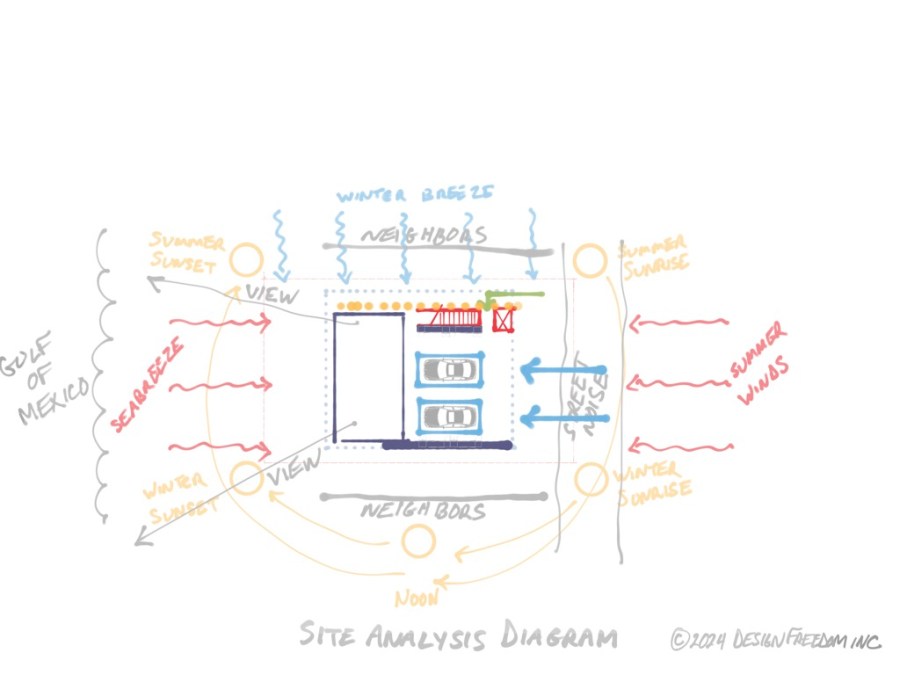
- Topography: The lay of the land plays a significant role in determining the placement and orientation of your home. Architects examine factors such as slope, elevation changes, and natural features like trees and water bodies to optimize site utilization and minimize environmental impact.
- Orientation and Views: Capitalizing on natural light and maximizing scenic views are key considerations in home design. Architects analyze the site’s orientation relative to the sun’s path throughout the day and strategically position windows, outdoor spaces, and living areas to harness sunlight and capture breathtaking vistas.
- Utilities and Infrastructure: Assessing the availability and location of utilities such as water, electricity, and sewage systems is essential for practicality and functionality. Architects work to ensure seamless integration and compliance with local regulations.
- Environmental Factors: Environmental considerations, including soil composition, drainage patterns, and vegetation, can impact construction methods and site development. Architects evaluate these factors to mitigate potential risks and preserve the site’s ecological balance.
You may not actually see the Site Analysis Diagram, but your Architect will refer to it as they design your home. Operating primarily from their office, your Architect relies on this visual reference to ensure that crucial site details are taken into account. This method serves as a helpful reminder of key considerations, especially when they cannot be present on-site at all times.
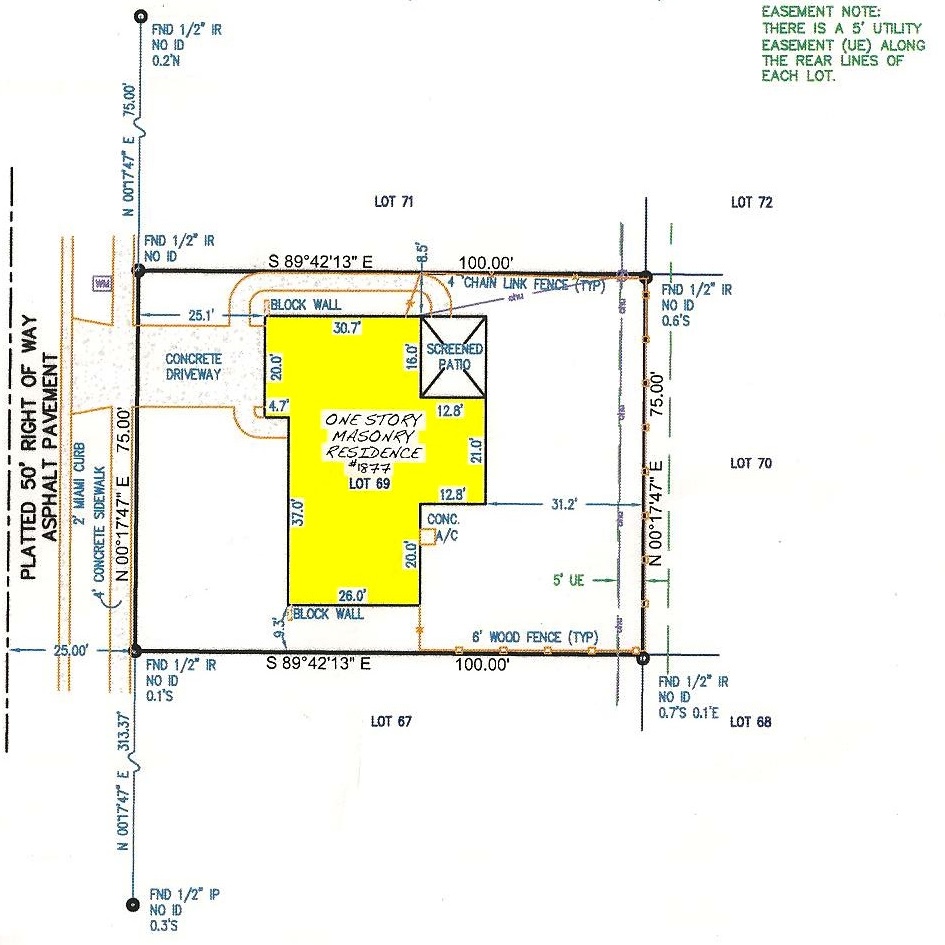
The survey, which you may have received when purchasing your home, provides vital property information. Alternatively, you can commission a new survey from a licensed Surveyor. In certain jurisdictions, a survey no older than one year may be mandated or necessitated to recertify. Depending on your Zoning Department’s requirements, the survey may entail locating trees and indicating ground heights (“spot elevations”).

Code Analysis: Navigating the Regulatory Landscape
Building codes and regulations serve as the blueprint for safe and sustainable construction, outlining minimum standards for structural integrity, fire safety, accessibility, and energy efficiency. Navigating this regulatory landscape requires meticulous attention to detail and a comprehensive understanding of state codes. Here’s how architects tackle this aspect:
- Building Codes: Architects familiarize themselves with national and state building codes governing residential construction. These codes cover a wide range of aspects, including structural design, electrical systems, plumbing, and fire safety, to ensure that your home is built to withstand the test of time.
- Zoning and Setbacks: Local zoning ordinances dictate land use regulations, including building setbacks, lot coverage, and permissible land uses. Architects study these regulations, and contact Zoning Officials for interpretations or questions, to ensure that the proposed design complies with zoning requirements and obtains necessary approvals.

Following the Code Analysis, the Architect incorporates additional details into the survey, resulting in what is commonly referred to as the Site Plan. This drawing amalgamates crucial site-specific information with regulatory considerations, serving as a comprehensive blueprint for your home’s design and development.
In essence, the Pre-design Phase lays the groundwork for a successful home design project, ensuring that your dream home not only aligns with your vision but also meets regulatory standards and environmental considerations. By entrusting this critical phase to experienced architects, you can embark on your Forever Home journey with confidence, knowing that every aspect has been meticulously planned and executed to near-perfection.
 Design Lines