

The process of design is not merely about conceiving a blueprint; it’s a journey of discovery, refinement, and constant evolution. Cyclical, or iterative, design lies at the heart of architectural innovation. Iterative design is a methodical approach where designs are repeatedly refined and adjusted based on feedback and insights gained along the way. Collaborating effectively with your architect within this framework can lead to extraordinary outcomes, and What You Really Want: marrying vision with functionality.

Understanding Iterative Design
Iterative design is a cyclical process, characterized by a series of incremental steps aimed at refining and enhancing the initial concept. It involves continuous feedback loops, allowing for the integration of new ideas, insights, and requirements into the evolving design. This iterative cycle typically includes stages such as conceptualization, prototyping, testing, evaluation, and refinement, with each iteration bringing the project closer to its optimal solution.
Iterative design forces you to stay in a conceptual phase, which can be very uncomfortable for some people. It’s difficult to see the “end goal” if everything continues to stay in flux. In fact, your Architect is very comfortable with this type of process and will lead you through it. Although the end goal is a built structure, the end goal of the design is actually your Forever Home (or your Forever Family Room, etc.). The built structure won’t work as well if you don’t continue to advance towards What You Really Want.
Linear Design: The Opposite of Cyclical Design
The opposite process to iterative design can be described as a linear or sequential design approach. In this approach, the design process progresses more straightforwardly and rigidly, moving through distinct stages in a linear sequence without revisiting or revising previous steps. This contrasts with the iterative design, which involves cyclic refinement and repetition of stages.
In a linear design process, each stage is typically completed before moving on to the next, and changes or revisions are less common once a stage has been finalized. This can result in less flexibility and adaptability compared to iterative design, as the design direction is more predetermined and less responsive to feedback or new insights that may arise throughout the process.

With a very limited budget, or limitations due to the existing home or zoning rules, your Architect may use this process. There may be only one option to put the Addition. The design process moves much faster because no other options are being considered. This process may result in What You Really Want (Within Reason), or only What You Need.
One of the best places for Linear Design is during Structural Engineering. You don’t want the Engineer to modify the design, so the Engineer focuses on making the design as efficient as possible. They take the design, they calculate the loads, and they submit the framing and foundation plans back to the Architect.
Benefits of Iterative Design in Architecture
- Enhanced Creativity: By encouraging exploration and experimentation, iterative design stimulates creativity, enabling architects to push boundaries and discover innovative solutions to design challenges. (Remember, every Client, every family, every house and every property is different from others. Your project is truly a Custom Design.)
- Optimized Functionality: Through successive iterations, architects can fine-tune the functionality of a space, ensuring that it not only meets the client’s needs but also enhances the user experience. (That annoying thing in your old house was caused by stopping the design before everything could be worked out.)
- Risk Mitigation: Iterative design allows for early identification and resolution of potential issues, minimizing the risk of costly revisions or design flaws later in the project timeline. (Sure, we could remove all the walls, but the size and cost of the new footing, column, and beam to support the roof might blow the budget. Better to know this sooner than later, so we can redesign it better.)
- Client Collaboration: By involving clients in the iterative process, architects can ensure alignment with their vision, preferences, and priorities, fostering a sense of ownership and satisfaction with the final outcome. (Maybe you thought you didn’t really want a large walk-in closet, but if the first designs don’t include it, you may realize it’s more of a Need than a Want. Better to fit it in now than wait until you are under Construction.)

Key Principles for Effective Collaboration:
- Clear Communication: Establish open channels of communication with your architect from the outset, clearly articulating your goals, expectations, and any specific requirements or constraints. If you don’t say it, your Architect won’t know about it. (We don’t actually read minds.)
- Active Participation: Engage actively in the iterative process, providing feedback, asking questions, and sharing insights to shape the direction of the design and ensure that it aligns with your vision. Don’t be afraid to dislike something in the design – we won’t take it personally. In fact, we want You to take this personally, so take your time reviewing the designs. Just because You don’t see a solution doesn’t mean we don’t, or that we won’t eventually offer a solution that resolves all the issues.
- Flexibility and Adaptability: Embrace flexibility and be open to change throughout the iterative journey, recognizing that each iteration brings new opportunities for improvement and refinement. Resist the temptation to stop the design process early. Recognize that you are feeling overwhelmed (it’s a lot of decisions and a lot of money on the line!) and step back, or take more time to review the latest design options.
- Trust and Respect: Cultivate a relationship of trust and mutual respect with your architect, acknowledging their expertise and allowing them the creative freedom to explore different ideas and approaches. We’ve done this before and may be able to understand that you or your project needs an extra foot of space here, even if you think you could do without and save money there.
Case Study 1: The Sydney Opera House
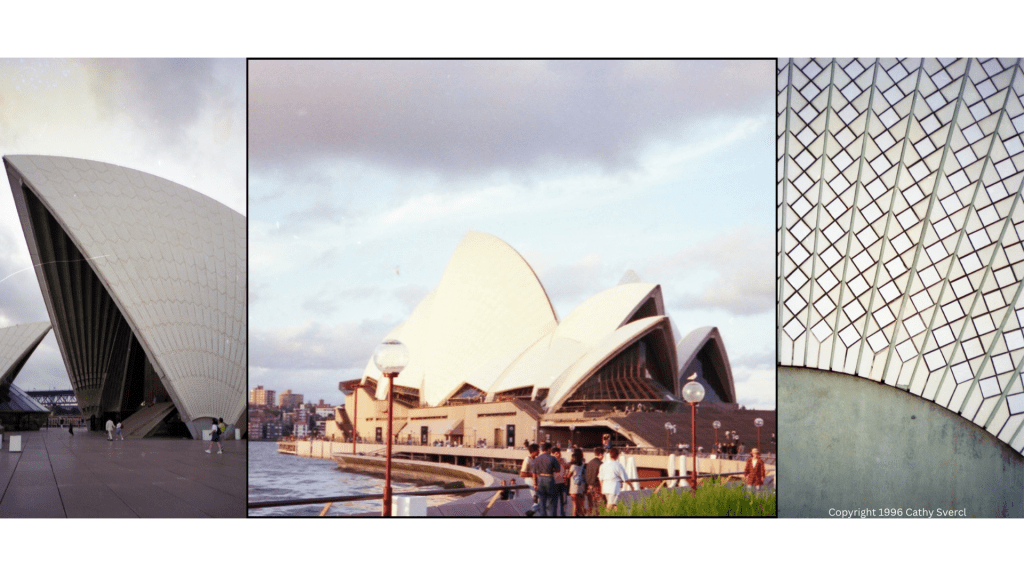
One of the most iconic examples of iterative design in architecture is the Sydney Opera House, designed by Danish architect Jørn Utzon. Utzon’s visionary design underwent numerous iterations over almost a decade before its completion in 1973. Through a process of continual refinement and collaboration with engineers and stakeholders, Utzon transformed his initial concept into a groundbreaking architectural masterpiece that has since become a symbol of modernity and innovation.
Case Study 2: Project 22-07
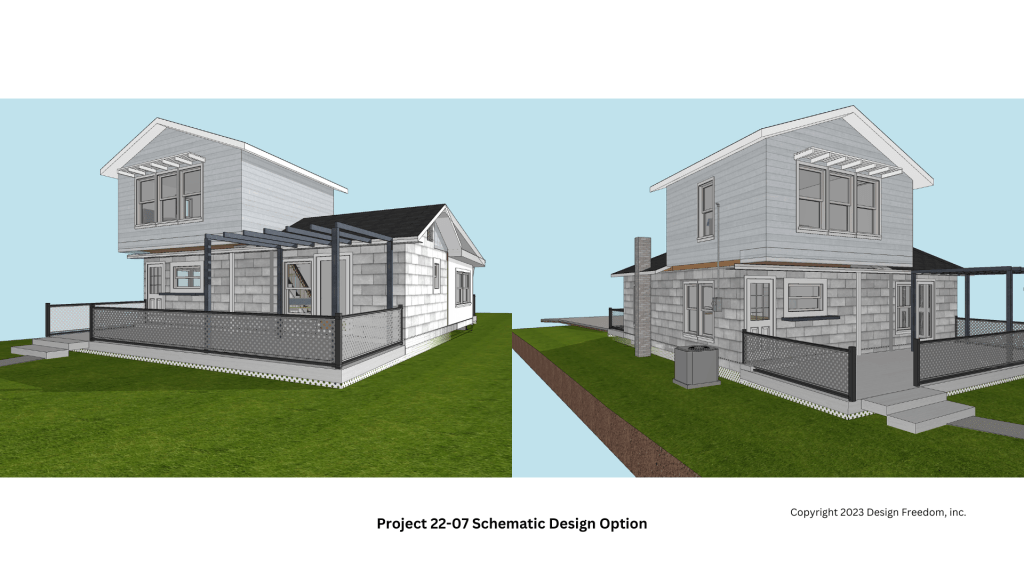
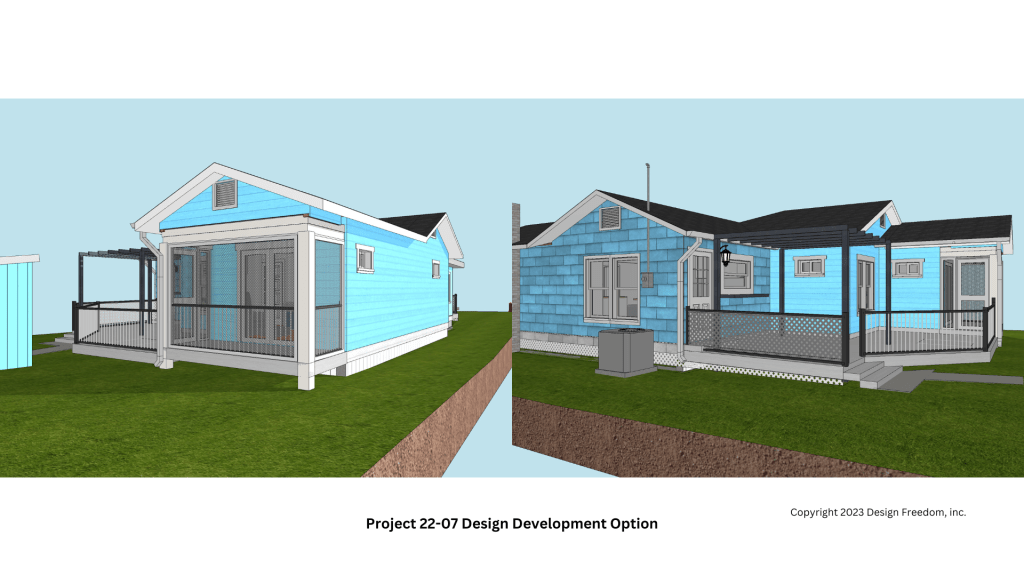
Following the 3D images of the small house in this article, we can see the progression of the design. The existing house has a large deck with several rooms overlooking it. The design moves forward with 2 options in Schematic Design: the upstairs addition option, and the first floor addition option. Although the Clients thought they wanted the upstairs addition, which would keep the large deck, both cost and accessibility were weighed, and the first floor addition was chosen. When that decision was made, there were more options to consider, including adding a small screen porch, or preferring windows instead of doors from that room. The Clients originally wanted to re-use the old pergola in the new design, but eventually we added a small roof over part of the deck instead. In the final rendering, there is a small pop-out on the deck for the BBQ grill, so the Clients don’t have to figure out where to put it later. There were more variations along the way, but in the end, this is the iterative path that this Addition Remodel took.
Conclusion
Iterative design lies at the core of architectural excellence, empowering architects and clients alike to embark on a journey of exploration, innovation, and refinement. By embracing the principles of iterative design and fostering a collaborative partnership with your architect, you can unlock the full potential of your architectural vision, creating spaces that inspire, delight, and endure for generations to come.
Let us help you create your Forever Home! Visit our website to download our Project Planning Pack and Schedule a Call with an Architect.
 Design Lines