

Architecture is a rich tapestry of styles, techniques, and histories, woven together through time. Every building tells a story, reflecting the cultural, social, and technological context of its creation. For architects, understanding this narrative is essential, not only for appreciating the built environment but also for shaping its future.
Architectural history serves as a cornerstone of architectural education, providing a comprehensive understanding of the evolution of building design. By studying architectural history, architects gain insights into various styles, from ancient civilizations to modern movements. This knowledge enables them to draw inspiration, innovate, and create designs that resonate with contemporary needs while honoring the past.
Slideshows on Tuesdays and Thursdays
Traditional academic courses offer a structured approach, covering key periods, styles, and architects through lectures, readings, and research assignments. At Virginia Tech in the 1990s, this meant every Tuesday and Thursday, we would sit in a dark auditorium as our Professor talked us through hundreds of slides, from the beginning of civilization to the present day. We learned about cities, buildings, statues, and more.
In addition to formal education, architects engage with architectural history through self-study. They explore books, journals, and online resources, immersing themselves in the rich imagery and narratives of architectural masterpieces. The Art & Architecture Library at Virginia Tech was a favorite place to sit and read. Not only did we have books, but we had magazines from around the world, fascinating in a world before the Internet as we know it.
Traveling to different regions and countries provides architects with firsthand exposure to diverse architectural traditions, enriching their understanding of global design influences.
I have fond memories of visiting Spain for a week in high school, and later studying abroad for one semester in Melbourne, Australia, followed by a month-long trip to the Outback, Canberra, Sydney, Brisbane, and Cairns.
Practical applications, such as internships and apprenticeships, offer invaluable learning experiences. Working alongside experienced architects exposes students to real-world projects, fostering a deeper appreciation for architectural heritage.
Although I never worked on historic buildings (it wasn’t my interest), most of the projects that I interned on, and the projects I still design today, have roots in historic styles.
Challenges in Learning Architectural History
While studying architectural history is enriching, it also presents challenges. The vast scope of architectural history can be overwhelming, requiring architects to prioritize and focus their studies. Moreover, interpreting historical narratives through a contemporary lens necessitates critical thinking and contextual understanding.
Another challenge lies in the preservation and documentation of architectural heritage. Many historical buildings face threats from urban development, neglect, or natural disasters. Architects play a crucial role in advocating for preservation efforts and adaptive reuse projects to ensure the survival of these cultural treasures.

The Evolution of House Styles
House styles encapsulate the architectural preferences and cultural trends of specific time periods. From the timeless elegance of Colonial homes to the casual charm of Beachy/Farmhouse style, each architectural style offers a window into the aspirations and values of its time. Architects study house styles to understand their distinctive features, construction techniques, and spatial arrangements.
House styles are not merely static representations of architectural preferences; they are dynamic reflections of cultural, social, and technological shifts throughout history. Each style emerges from a complex interplay of factors, including technological advancements, socioeconomic conditions, and cultural movements. Understanding the evolution of house styles offers architects profound insights into the aspirations and values of different societies across time.
In contemporary practice, architects draw from a diverse palette of house styles, blending elements from different periods to create unique and innovative designs. This eclectic approach allows architects to respond creatively to client preferences, site conditions, and sustainability considerations.

Here are some of the House Styles most often seen or requested in Tampa Bay:
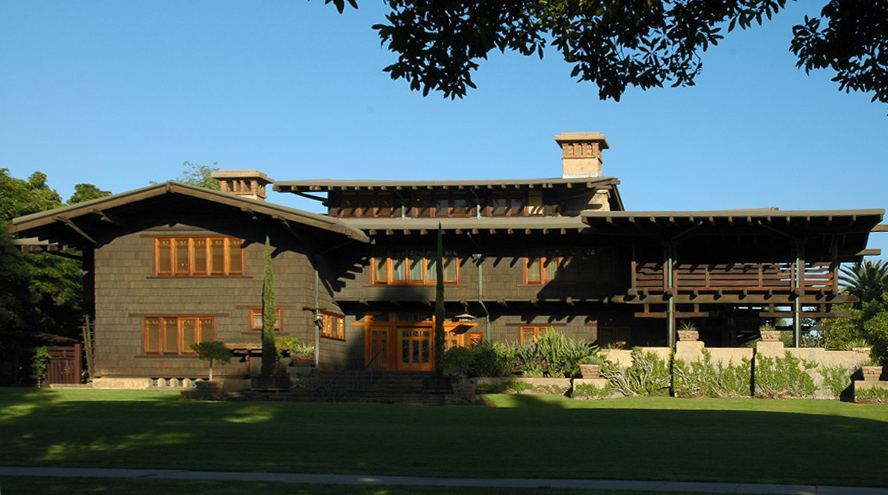
- Arts & Crafts (also called Craftsmen or Bungalow): Emerging in the late 19th and early 20th centuries as a reaction against industrialization, the Arts & Crafts movement celebrated craftsmanship, simplicity, and natural materials. Houses in this style often feature exposed beams, handcrafted details, and earthy color palettes. Inspired by the principles of William Morris and the designs of Gustav Stickley, Arts & Crafts homes embody a sense of warmth, authenticity, and connection to nature. The Prairie Homes of Frank Lloyd Wright also fit in this category.
- Spanish Mediterranean Revival: Reflecting the romance and allure of the Mediterranean coast, Spanish Mediterranean architecture flourished in California and Florida during the early 20th century. Influenced by Spanish and Moorish design traditions, these homes boast red tile roofs, stucco exteriors, and arched doorways. Courtyards, wrought iron accents, and vibrant tile work add to the distinctive charm of the Spanish Mediterranean style, evoking images of sun-drenched villas and seaside retreats.
- Art Deco (including Arte Moderne): Characterized by geometric shapes, bold colors, and intricate decorative motifs, Art Deco architecture exuded a sense of sophistication and opulence. Influenced by diverse sources such as ancient Egypt, Cubism, and machine aesthetics, Art Deco buildings often featured streamlined facades, ornamental detailing, and exotic materials such as chrome, glass, and terrazzo. This style symbolized the optimism and dynamism of the interwar period, embodying a fusion of traditional craftsmanship and modern technology. Art Deco’s legacy endures today in iconic landmarks such as the Chrysler Building, the Empire State Building, and the Art Deco district of Miami Beach, reminding us of its enduring appeal and timeless elegance.
- Ranch: These homes emerged in the mid-20th century as a response to the growing demand for affordable, suburban housing. Characterized by their single-story layout, low-pitched roofs, and simple, rectangular shapes, ranch homes offered practicality and convenience for the post-World War II American family. These homes often featured open floor plans, attached garages, and large windows, reflecting the influence of modernist design principles and the desire for functional living spaces. While builder-style ranch homes lacked the architectural embellishments of their more ornate counterparts, they played a significant role in shaping the suburban landscape, providing accessible housing options for millions of Americans and contributing to the proliferation of the suburban dream.
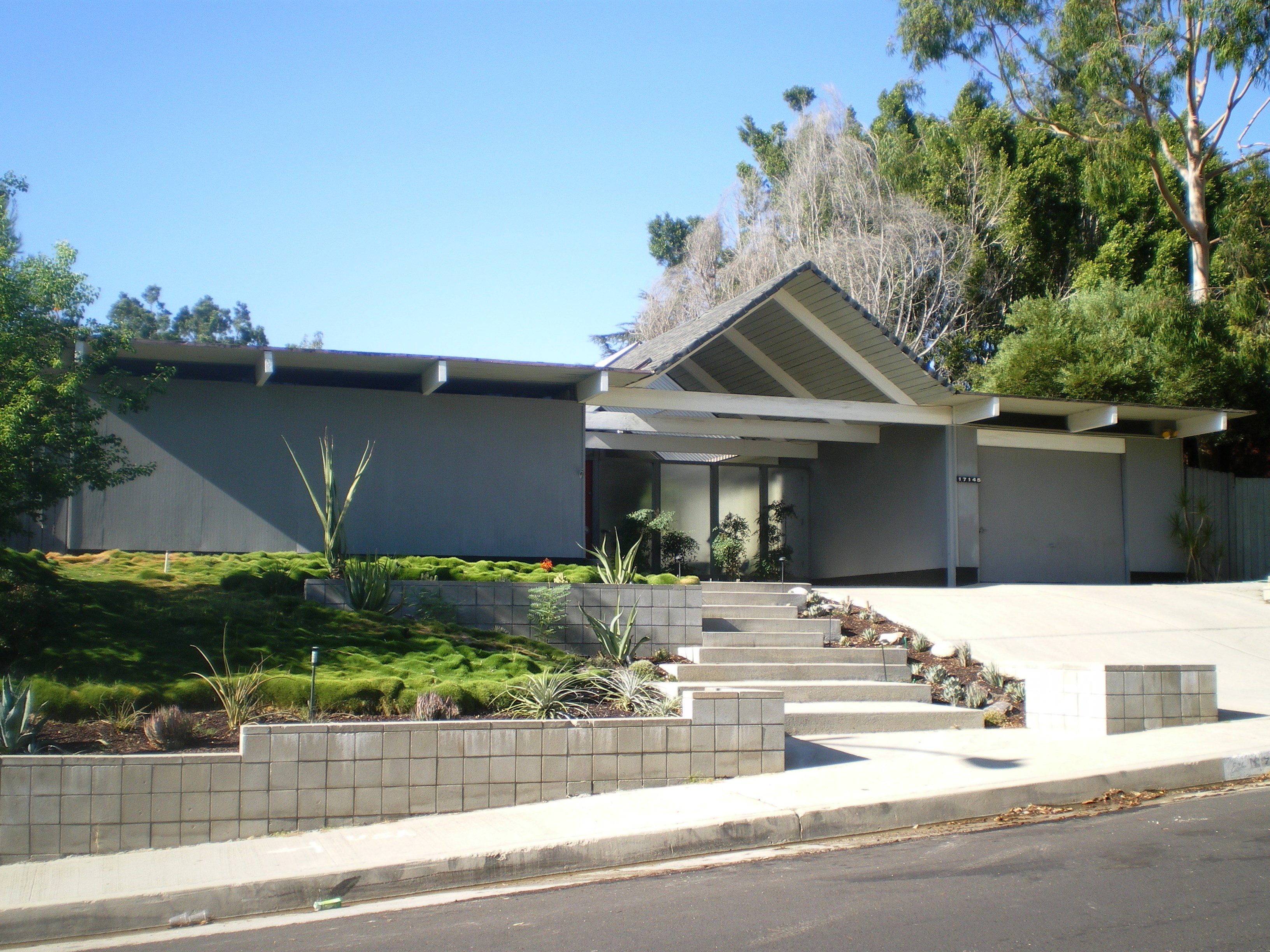
- Modern: The modernist movement of the 20th century revolutionized architectural design, emphasizing functionality, innovation, and simplicity. Modern homes feature clean lines, open floor plans, and a harmonious integration of indoor and outdoor spaces. Influential architects such as Le Corbusier, Walter Gropius, and Ludwig Mies van der Rohe pioneered modernist principles, inspiring a new era of architectural experimentation and exploration. Real estate developer Joseph Eichler built numerous Mid-Century Modern neighborhoods in California designed by several different architecture firms.
- Key West Style: Originating in the Florida Keys, Key West style architecture reflects the region’s tropical climate and laid-back lifestyle. These homes typically feature wooden construction, louvered shutters, and wide verandas to capture sea breezes and shade from the sun. Bright pastel colors, tin roofs, and gingerbread trim evoke a sense of whimsy and nostalgia, transporting residents to a bygone era of island living.
- Beachy/Farmhouse: Combining the relaxed charm of farmhouse architecture with coastal influences, the beachy farmhouse style embodies casual elegance and comfort. These homes feature board-and-batten siding, wrap-around porches, and large windows to maximize views and natural light. Neutral color palettes, rustic finishes, and nautical accents create a sense of coastal sophistication, inviting residents to unwind and connect with the natural beauty of their surroundings.
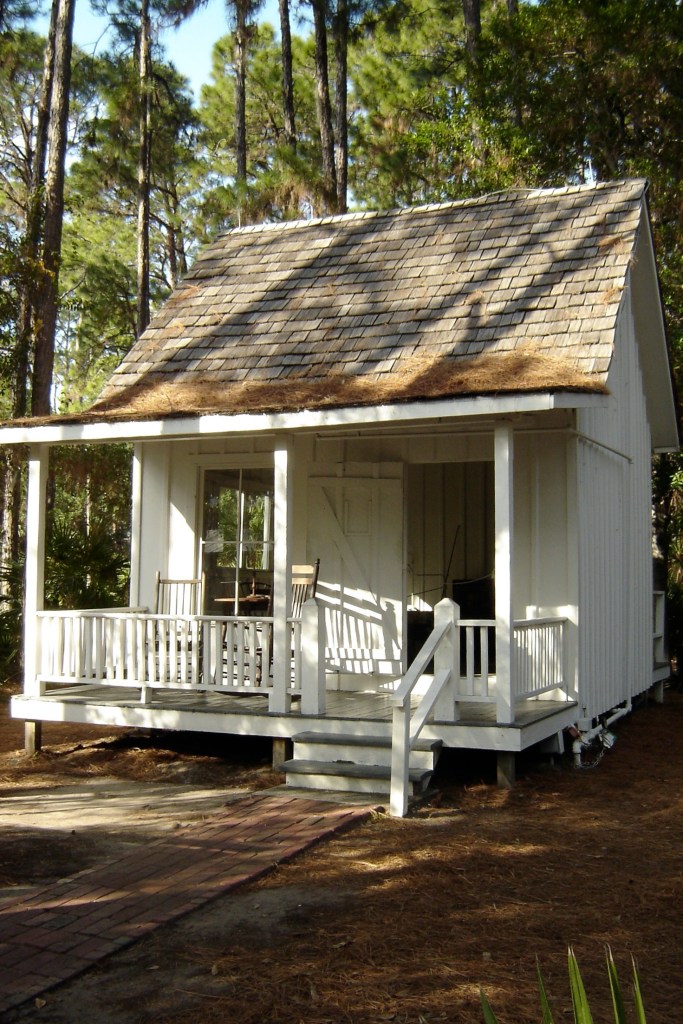
- Florida Vernacular: Cracker cottages trace their origins to the 19th-century pioneer settlers who established homesteads across the state. Cracker cottages typically feature simple, one-story designs with steeply pitched tin roofs, wide porches, and elevated foundations to provide ventilation and protection from flooding. Constructed using local materials such as pine timber, cypress siding, and palmetto thatch, these homes were built to withstand the harsh subtropical climate and frequent hurricanes. Inside, Cracker cottages often boast open floor plans, high ceilings, and central fireplaces, offering residents comfort and flexibility in their daily lives. While originally intended for agricultural and rural use, Cracker cottages have become cherished symbols of Florida’s pioneer heritage, with many preserved as museums, historic sites, and private residences, serving as reminders of the state’s rich cultural legacy.
Conclusion
Architectural history serves as a lens through which architects interpret the past, analyze the present, and envision the future. By studying architectural history and house styles, architects deepen their appreciation for the built environment while honing their design skills. As custodians of architectural heritage, architects play a vital role in preserving the legacy of the past and shaping the architectural landscape of tomorrow.
The evolution of house styles is a testament to the ever-changing nature of architecture, reflecting the evolving needs, values, and aspirations of human societies. As architects navigate the complexities of the built environment, they draw inspiration from historical precedents while embracing innovation and adaptation. By understanding the evolution of house styles, architects enrich their design vocabulary, cultivate contextual awareness, and contribute to the ongoing dialogue between past, present, and future.
 Design Lines