
Embarking on a home remodeling journey is an exhilarating endeavor that offers the opportunity to transform your living space into a sanctuary tailored to your unique style and needs. Whether you’re planning a comprehensive renovation or tackling smaller projects over time, leveraging a master plan can streamline the process and ensure a cohesive vision across all phases of your remodel. In this article, we’ll explore the benefits of phased construction, whether for complying with FEMA’s 50% Rule or just as a budgetary tool, and the power of a master plan in achieving your remodeling goals.
Understanding Phased Construction
Phased construction offers numerous benefits for homeowners seeking to manage costs, minimize disruption, and achieve their remodeling goals strategically and efficiently. By breaking down the project into manageable segments, you can spread out the cost of renovations, prioritize essential repairs, and adapt to changing needs and circumstances throughout the remodeling process.
These projects are often a mix of adding on and interior remodeling. For example, you might want to add on a Bedroom Suite now and update the Kitchen later. But you want to make sure that the Addition doesn’t interfere with expanding or remodeling the Kitchen. Also, the Kitchen remodel may be less convenient while you are living there, but the Addition could be constructed without the Contractors walking through your house.
Ideally, you will work with both your Architect and Contractor on how to best phase the project.
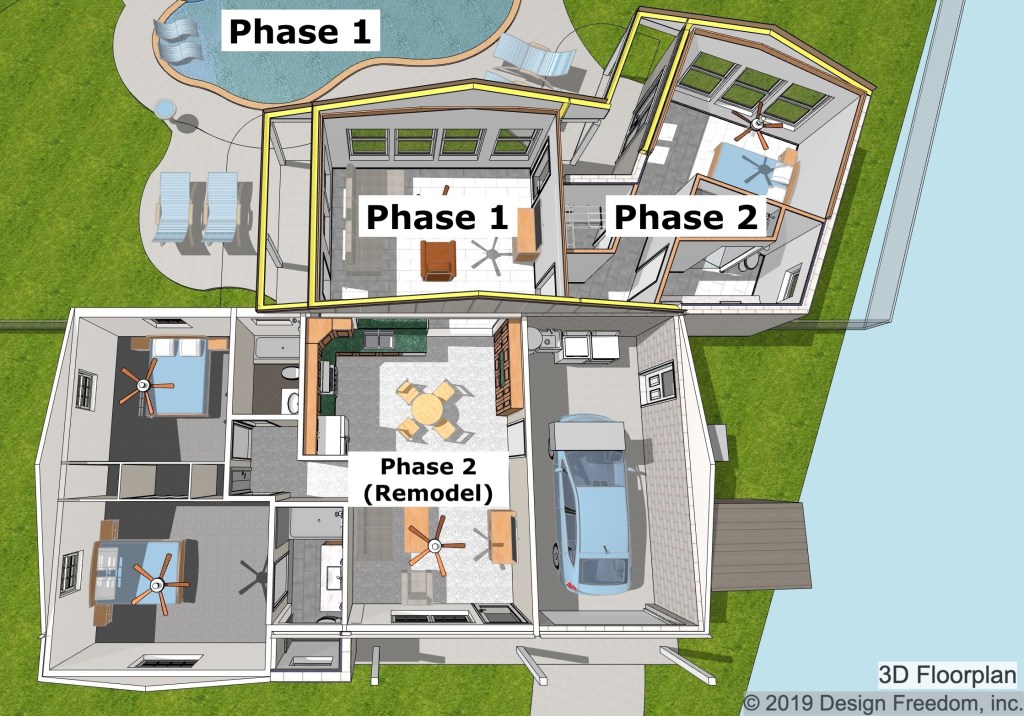
In this project, the Family Room Addition was Phase 1, with the pool going in immediately (so the family could enjoy it!). And, although the pool’s location was chosen by the Architect so it would work with the Master Plan, the pool itself and its features were designed by the pool design-builder, working directly for the Homeowner.
Phase 2 is the Bedroom Suite Addition, complete with its own doors to the pool area. Opening the Kitchen to the Living Room, as well as some other interior remodeling, are included in Phase 2.
Navigating Regulatory Requirements
When navigating regulations such as FEMA’s 50% Rule, phased construction provides a strategic approach to compliance while maximizing flexibility and financial investment. By prioritizing high-impact upgrades and monitoring project costs, you can ensure that your remodeling project remains below the 50% threshold.
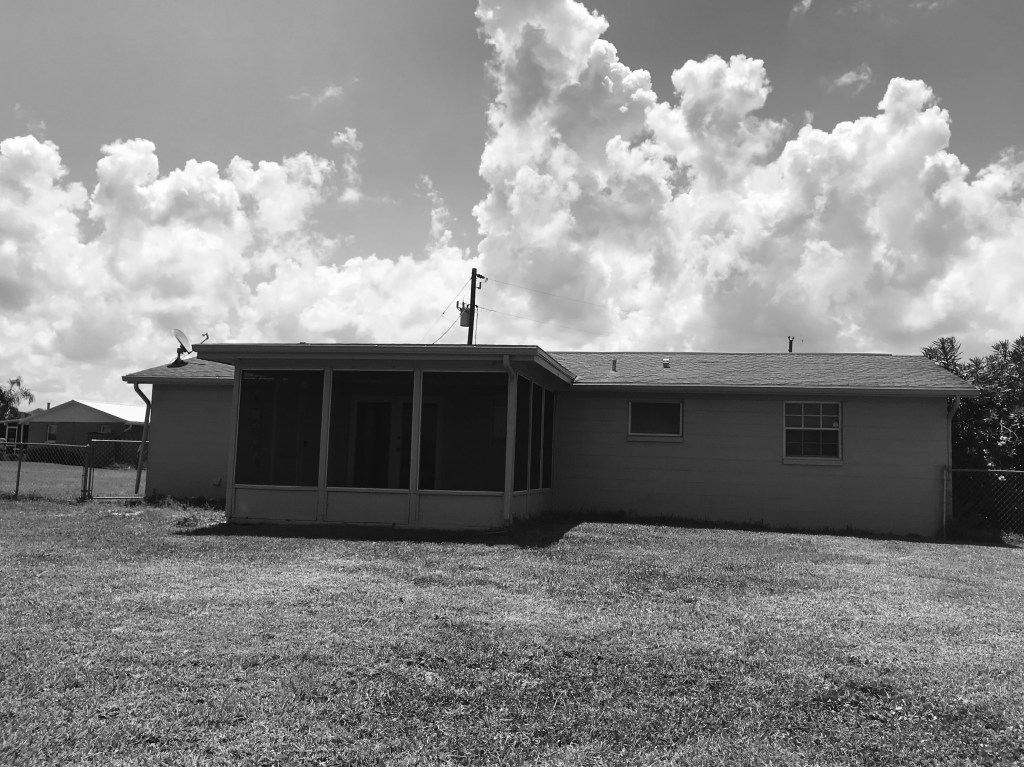
Before choosing to phase the construction, make sure you and your Architect are familiar with the local Community Rating System, an agreement between FEMA and your local area. Although many CRS rules allow you to finish one phase (your Addition) and then apply for a permit for the next phase (your Remodel) right away, other places may have additional rules regarding this.
In this project, the construction cost for the entire Addition was more than the 50% Rule allowed, so we decided to break it up into 2 sections: the Family Room first, then the Bedroom Suite. Since adding the Family Room would increase the value of the house, the 50% construction cost for Phase 2 would be a little more, too.
Leveraging a Master Plan
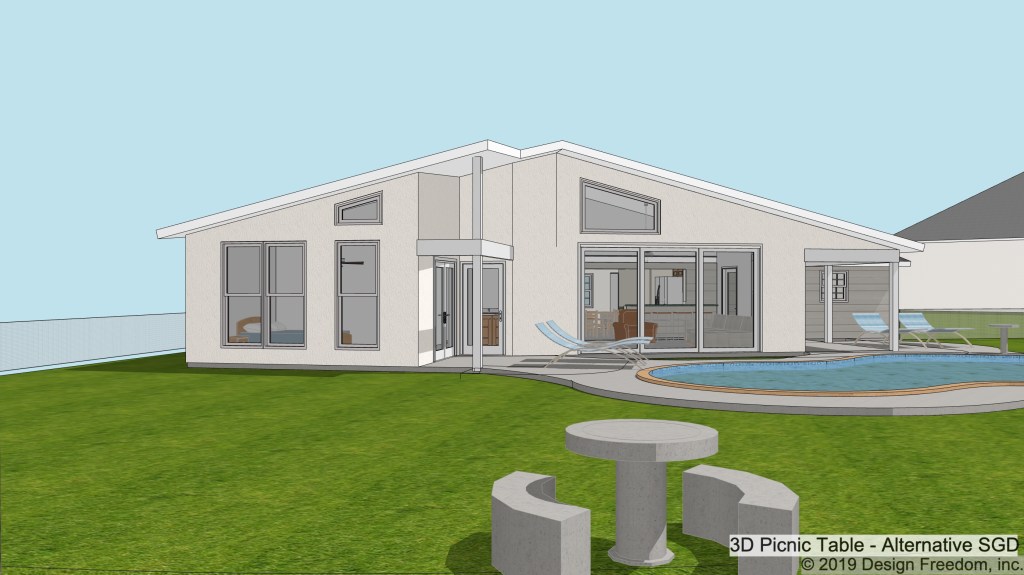
At the heart of a successful phased remodel lies a master plan that guides every decision and action toward achieving your vision for their living space. A master plan establishes a long-term vision, coordinates design elements, maximizes efficiency, and anticipates future needs, ensuring that each phase of the remodel contributes to the overall design concept.
You and your Architect will work on the design of the entire project first, to make sure everyone knows where the Addition will be, and what areas will need Remodeling. At some point towards the end of this design, you will involve your Contractor in determining the costs and dividing the construction into phases. Once the phases are known, the Architect can continue with the Bid & Permit drawings for the first phase.
The drawings for the next phase of construction should not be completed until the first phase is nearing construction completion. This allows the Architect to check if any Codes have been updated in the meantime, as well as confirm any changes that may have taken place during construction.
For example, on this project, the Addition was built slightly larger than drawn, due to a simple error when staking out the corners. Therefore, the 2 inches will need to be taken into consideration for the Phase 2 drawings, so everything lines up.
Benefits of Phased Construction and a Master Plan
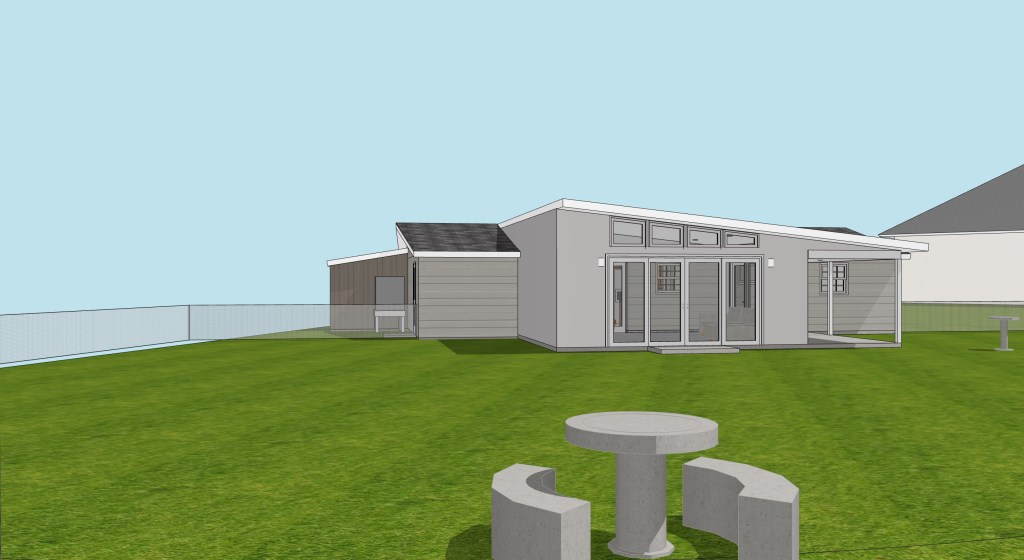
Phased construction offers several benefits, including minimizing disruption, optimizing financial investment, and mitigating risks. Leveraging a master plan further enhances the success of a phased remodel by providing a roadmap for achieving your long-term vision and enhancing your property’s value and marketability.
In this case, the Family Room gave much-needed extra space inside the house, and the Pool can be used year-round. The Homeowners were able to use the home during construction, and they did not have to store all their belongings elsewhere.
This project allowed the Homeowners to focus on the selections for windows, doors, flooring, and other items for the Family Room, without having to focus on the Bathroom and Kitchen decisions required in the next phase.
Although the 50% Rule dictated the maximum construction cost that could be spent for Phase 1, it also allowed the family more time to save money for the additional remodeling.

Conclusion
In conclusion, a phased approach to home remodeling, guided by a comprehensive master plan, offers you a strategic and efficient path to achieving your remodeling goals. By breaking the project into manageable phases, and prioritizing essential repairs or items, you can navigate regulatory requirements, manage costs, and create a home that is both beautiful and functional. Embrace the power of phased construction and a master plan as you embark on your remodeling journey, and watch your dream home come to life, one phase at a time.
Please reach out to us with any questions about your home’s phased construction possibilities!
 Design Lines