
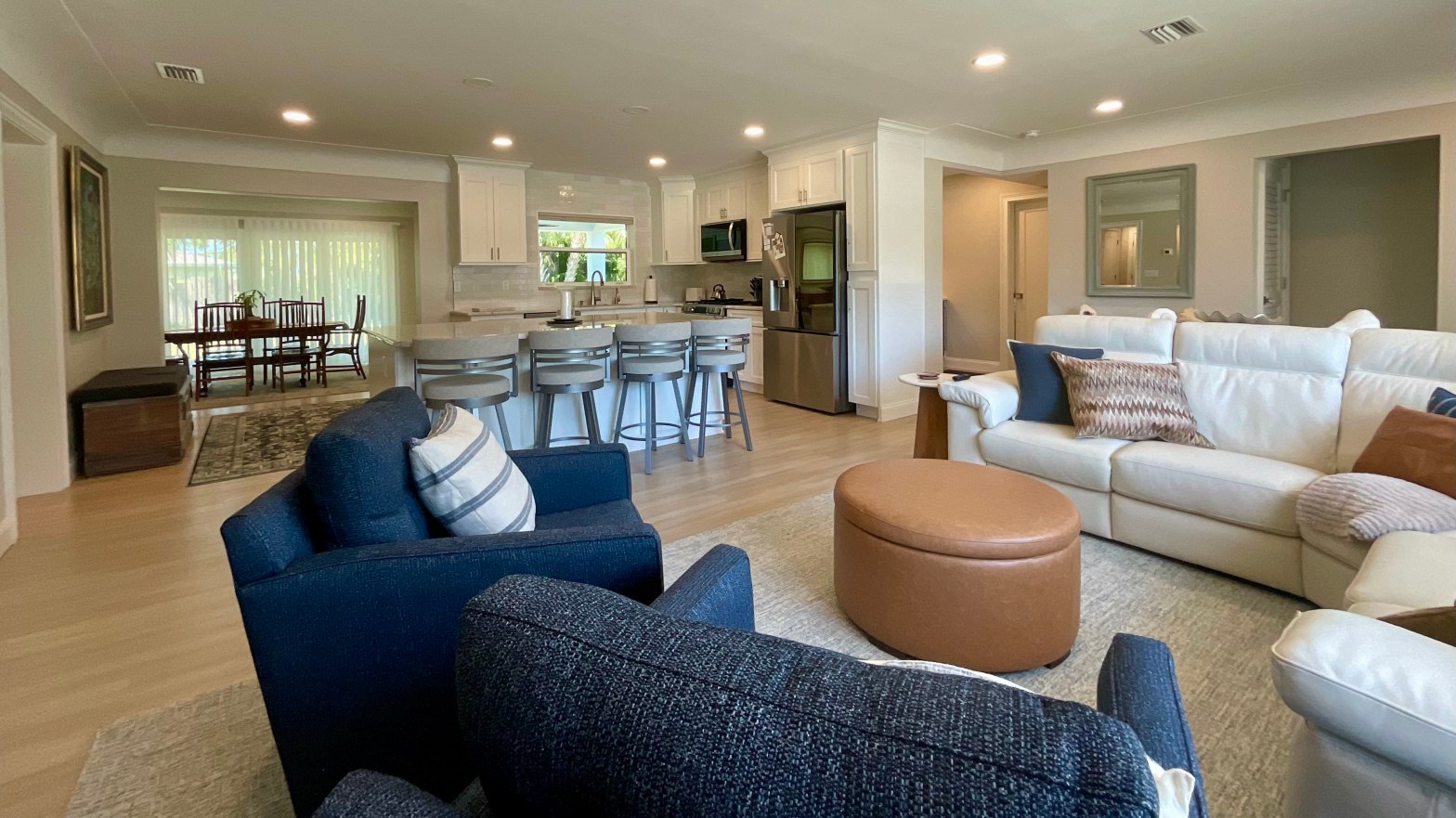
Most people considering a remodel or a new home spend the winter holidays reflecting on their design needs and researching architects and contractors. As they go about their business during the holidays and attend events, they may notice their neighbors’ houses, their friends’ houses, and the different things they like—and don’t like—about layout and design.
We always expect a bunch of inquiries at the beginning of each new year. But this past year has had a lot of economic changes, which may make people more hesitant to make big decisions. Remodeling your home or building a new one is one of the biggest decisions you will make in your life. There’s a lot of money attached to those decisions—and many choices to make—but mostly, it’s a big decision about how you want to live for the next 10 or more years. We don’t want anyone to rush into that, and some economic uncertainty at the start of the process likely won’t affect what you ultimately decide for your Forever Home. The sooner you start thinking through your Forever Home, the better prepared you’ll be to make smart choices for your budget, layout, and long-term enjoyment.
The Difference Between a Forever Home and a “Right Now” Home
Most of my clients are downsizing. They are moving in from a busy phase of life—raising children or moving up the corporate ladder—and have spent a lot of time thinking about what their next home and the next phase of their life would look like. Downsizing clients are looking for better layouts and better use of spaces. They know where they need the space and where they don’t.
They usually focus on the spaces they enjoy most, whether it’s the kitchen or a cozy library. They want a good-sized bedroom and a bathroom they can both be in at the same time. Closet space matters, but they’ll probably be downsizing many of the items they’ve held onto for years. Having lived in many types of homes, they have opinions on how big the kitchen island should be, where they want sliding glass doors, and where a window might work better.
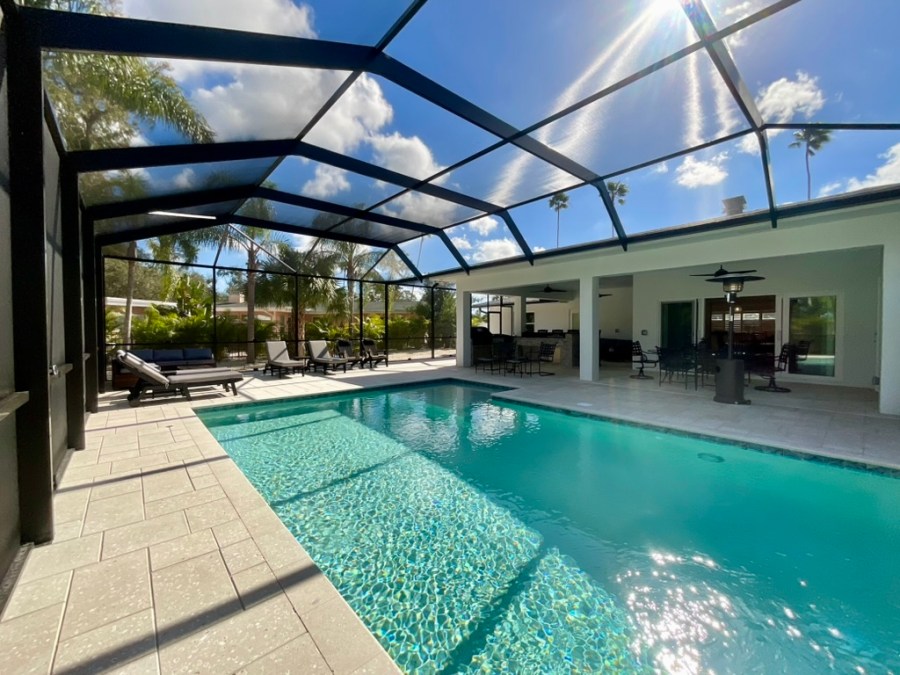
Extra bedrooms often have multiple uses—sometimes reserved for guests, other times used for hobbies. Especially for clients new to Florida, they want to connect with the environment: seeing the blue skies from large windows, accessing the lanai or porch from sliding or French doors, and enjoying outdoor spaces with ceiling fans and cross ventilation. Forever Home clients aren’t looking for a five-bedroom house just for the sake of it—they like open-concept kitchen, living, and dining areas that flow to the backyard, but also want spaces to enjoy quiet weekends or hobbies.
Where the Budget Really Goes
Because I work mainly with Forever Home clients and have a good feel for what they like and don’t like, the construction costs are typically very similar. I can often give a rule of thumb estimate of construction cost even before a project begins. This is especially important if a client hasn’t remodeled or built in the past five years—they can be surprised by what construction costs really are.
Over the past 20 years, construction costs rose at a fairly smooth pace. There was a little wiggle during the 2008–2009 recession, but the real bump came in 2020 with COVID. Supply chain disruptions and sudden demand for home remodeling caused material shortages, and prices have remained higher ever since. Knowing these numbers early helps clients make the right choices with the budget they have.
For example, if we need a large beam to create an open-concept kitchen, living, and dining area, that might take priority over other parts of the project. I remember a house where we initially thought the roof trusses were already supporting the ceiling over these spaces, so we didn’t anticipate needing a beam. Once demolition began, we realized the wall was actually carrying the ceiling joists, and a beam had to be installed. This added to the construction cost, but I reminded the clients why we were making the change—to create the open-concept space they wanted. They decided to move forward, and they offset the cost of the beam by delaying finishing the garage until later.
Long-term budgeting also includes energy efficiency. Upgrading insulation beyond code requirements, whether in a remodel or new construction, is a low-hanging fruit that can save money over time. Using spray foam or another type of insulation at the roofline can allow attic storage, ductwork, and higher ceilings for the rooms below. More importantly, the added cost for better insulation can provide a big payback and may even allow for a smaller-sized air conditioning system.
Long-term costs also include construction choices that affect maintenance, insurance, and durability. Building with concrete block instead of wood frame can reduce long-term maintenance, since stucco over block is typically lower maintenance than siding over wood. The shape of the roof can impact insurance premiums—hip roofs on wood trusses usually fare better in hurricanes than gable roofs, while concrete roofs aren’t affected by shape. Impact glazing on windows and glass doors protects your home and can also lower insurance rates. We also recommend building slightly higher than minimum code—about a foot above ground—even if you aren’t in a flood zone. This simple step can protect your home from flooding and allows patios and outdoor spaces to align easily with your living areas.
Designing Within a Realistic Budget
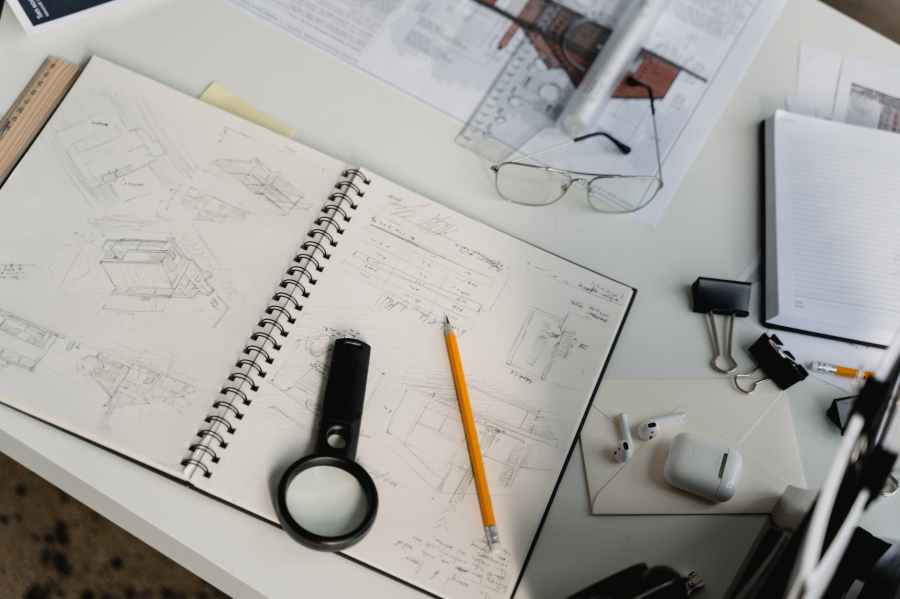
I try to discuss budget in the very first phone call because many Forever Home clients have similar needs and wants, and construction costs per square foot are often similar. Higher ceilings, walls of windows, sliding glass doors, or raised living spaces in flood zones can increase budgets, but knowing these details upfront helps clients plan.
We encourage clients to engage contractors for feedback during the design phase—not for design input, but to get another perspective on cost and construction feasibility. A trusted contractor can flag potential “budget busters” or suggest alternative materials, beams, or construction methods that reduce costs without sacrificing design. This collaborative approach ensures the budget aligns with the client’s vision for their Forever Home.
The Long-Term Perspective
Forever Home clients come from different backgrounds—retired, nearing retirement, introverted, social, active, or quiet—but they all share the goal of creating a home they can enjoy for many years. Accessibility, safety, low-maintenance materials, and durability are all part of this long-term perspective. Bathrooms should be safe and spacious. Ladders should be unnecessary for routine maintenance.
In Florida, homes face challenges from salty air, intense sun, daily rainstorms, hurricanes, tornadoes, waterspouts, flooding, and wildfires. Choosing materials that resist wear and are easy to maintain is essential. Inside, surfaces should be easy to clean and hide dirt well. While Forever Homes are highly customized, they remain flexible to accommodate life changes: adult children moving in temporarily, aging parents, hobbies, and privacy needs. Even in open-concept layouts, private spaces remain a priority.
Planning Your Forever Home
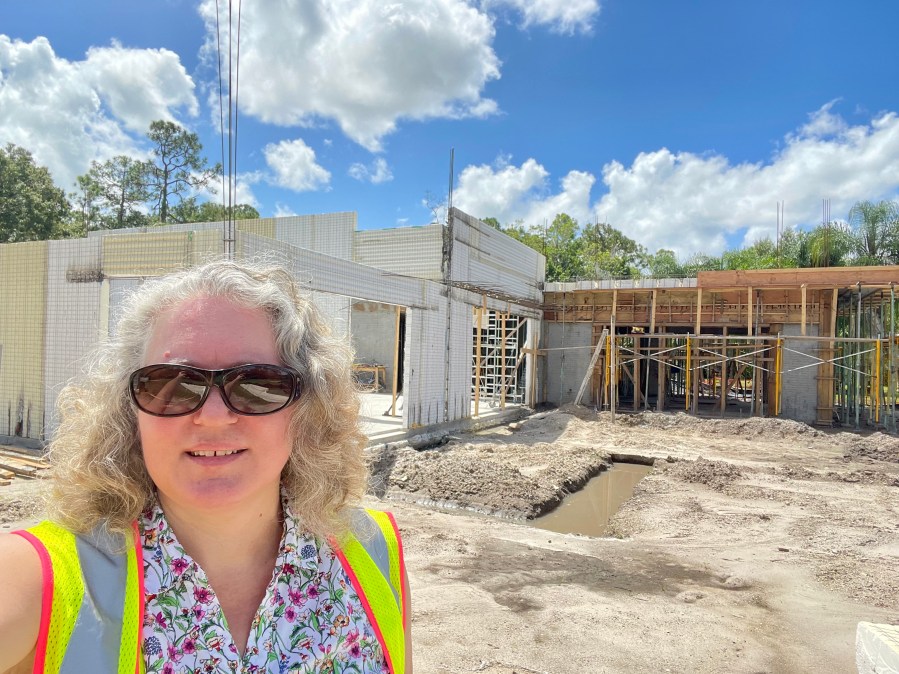
Over the years, I’ve discovered that what I enjoy most are Forever Home projects. Looking back across all my projects and clients, the thread running through many of them is the idea of a home designed for long-term living—homes that adapt to your lifestyle, provide comfort, and create a backdrop for life’s most meaningful moments.
My Forever Home clients aren’t looking for houses to impress others. They want homes where they can spend their time doing what they love, whether that’s hobbies, hosting friends and family, or enjoying quiet weekends. They may live on the water or in a suburban neighborhood, but the common thread is that their home is the right size, the right layout, and the right fit for their life.
If you’re thinking about creating your Forever Home, visit ForeverHomeArchitect.com to learn more about our process and how we can help you plan a home that works for a lifetime—not just move-in day.
 Design Lines