
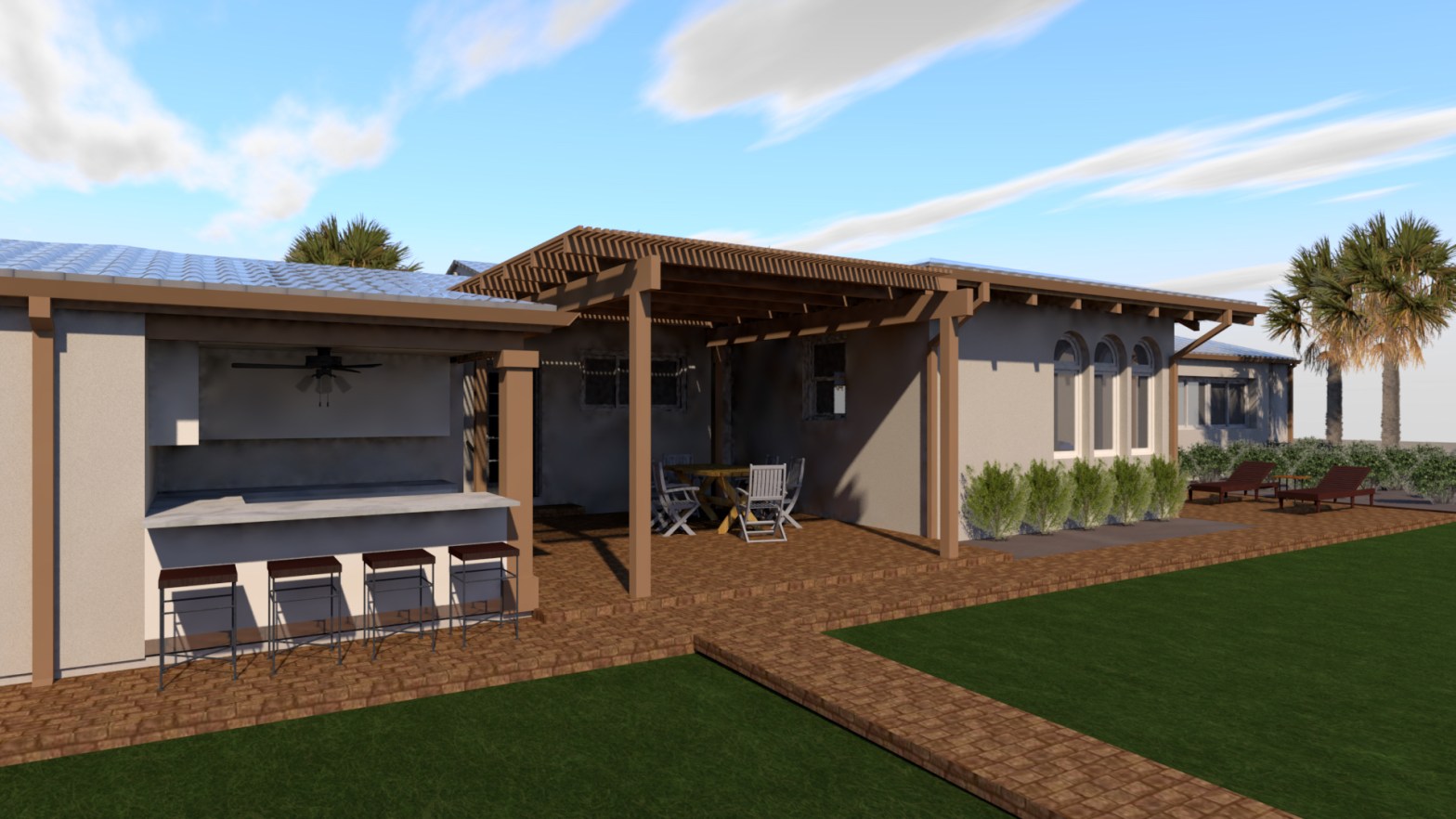
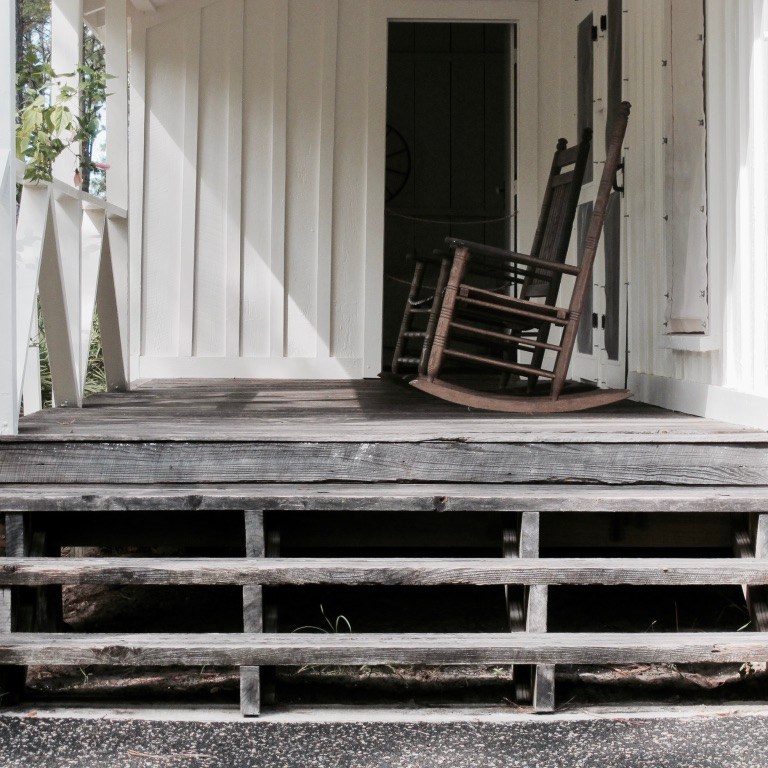
Many people are drawn to older historic homes because of their charm and character. At first glance, it may seem that it’s just the little details — shutters, trim, porches — that make these homes feel special. But architects know it’s more than that. What makes these homes resonate is their human scale: large forms that relate to the street or neighborhood, layered with smaller details that invite us in, down to the nosing on the steps or the louvers on a shutter.
Those details are often tied to memory, too. Think of sitting on a porch step as the sun went down, watching fireflies, greeting neighbors, or playing with siblings. Many historic styles grew out of vernacular traditions — buildings shaped by climate, available materials, and local ways of life. Florida has its own vernacular heritage, and it has much to teach us about how to design good modern homes today.
Florida’s Historic Vernacular Styles
Florida’s built heritage reflects three main vernacular traditions, each shaped by climate, materials, and culture. Understanding these styles helps us see how modern homes can learn from the past.
Spanish-Mediterranean:
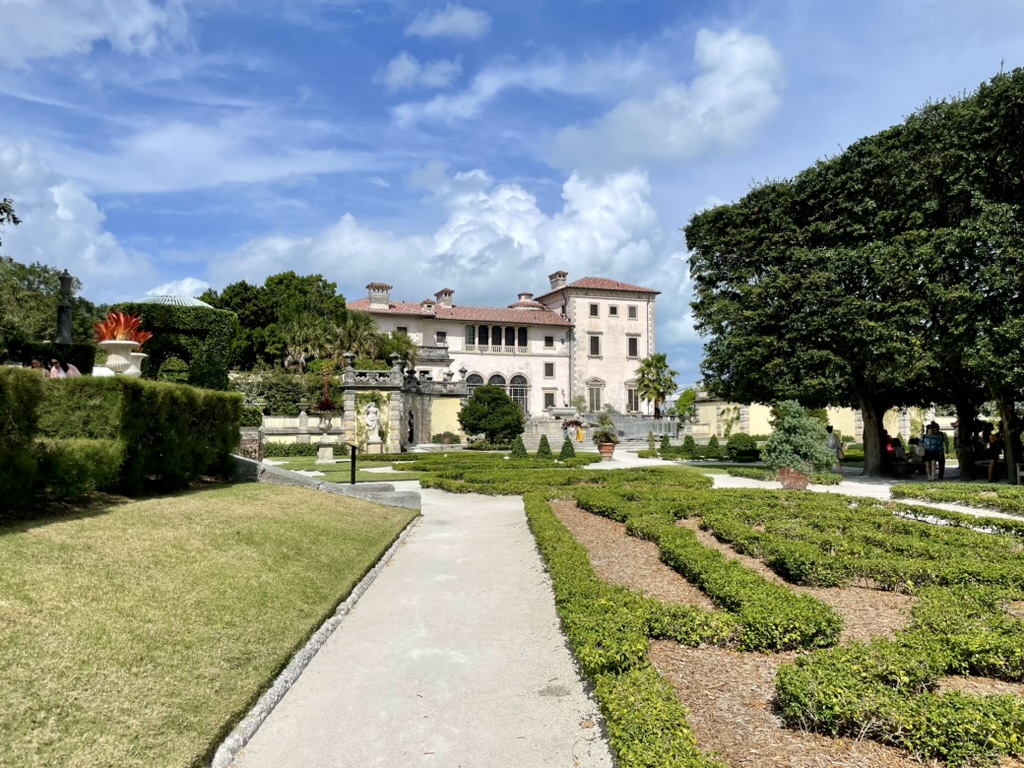
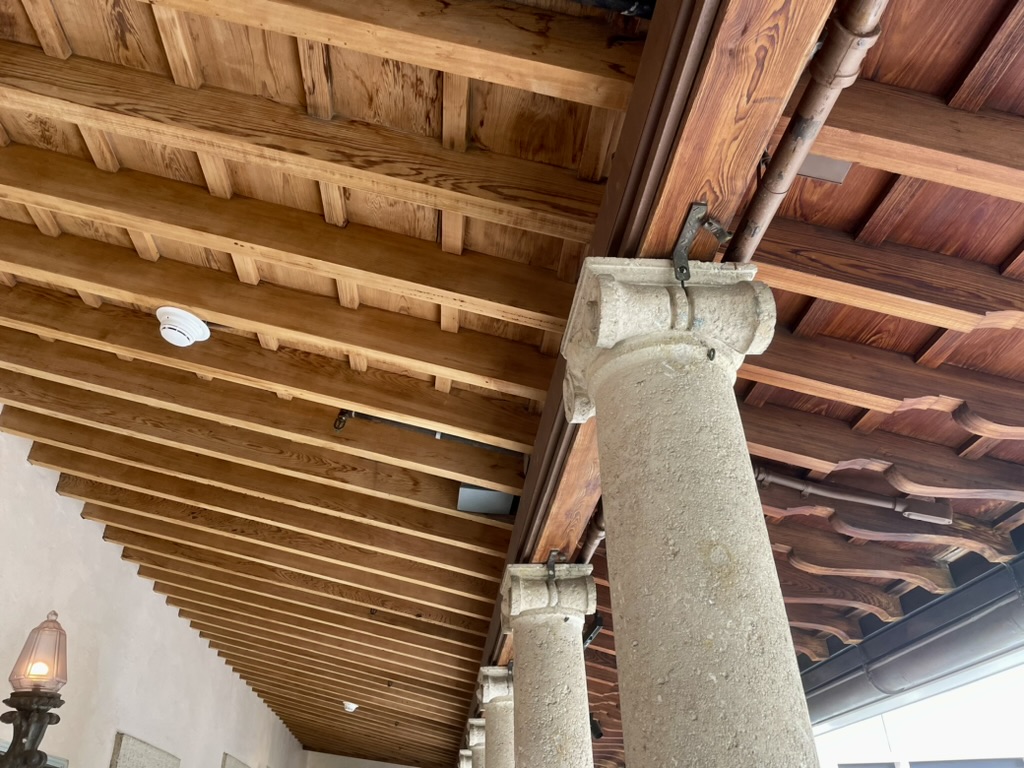
Originating from Spanish and Mediterranean influences, this style became popular in Florida during the 1920s land boom. Characterized by stucco walls, red tile roofs, arches, and courtyards, these homes often include terraces or lanais to provide shaded outdoor spaces. Public buildings and estates of this era frequently embrace this revival style, showcasing its lasting influence on Florida architecture.

Key West:
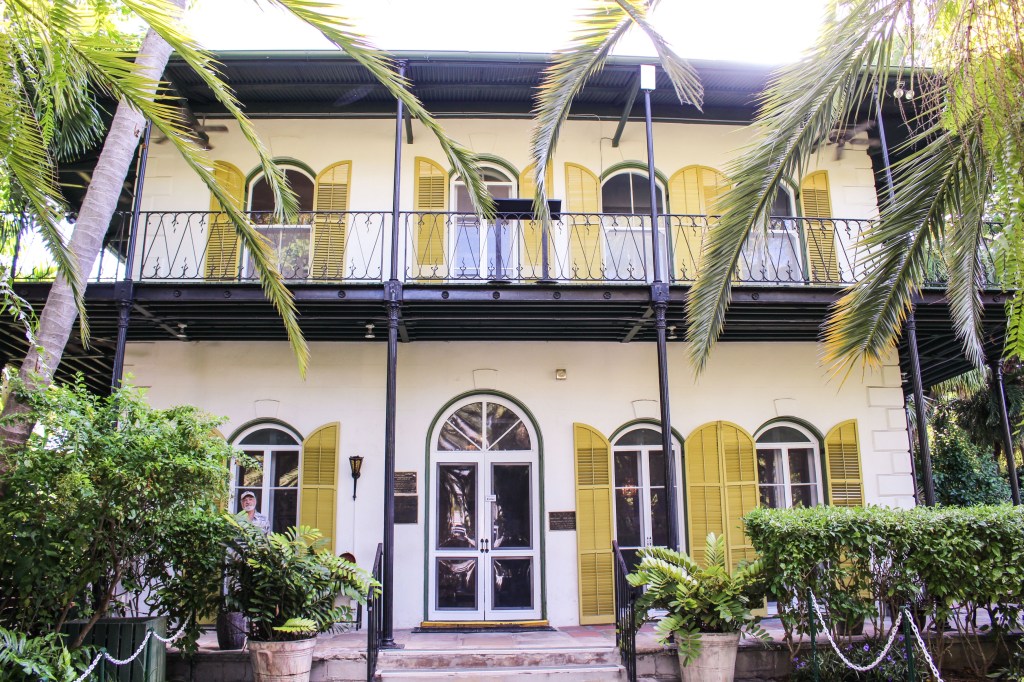
The Key West style evolved from the island’s shipbuilding and maritime trade culture. Carpenters adapted construction techniques from ports around the world, resulting in wood-framed homes elevated on piers, often with metal roofs, wide porches, and shutters. These homes were designed for ventilation, resilience to storms, and an indoor-outdoor lifestyle, with craftsmanship details reflecting the seafaring influence.

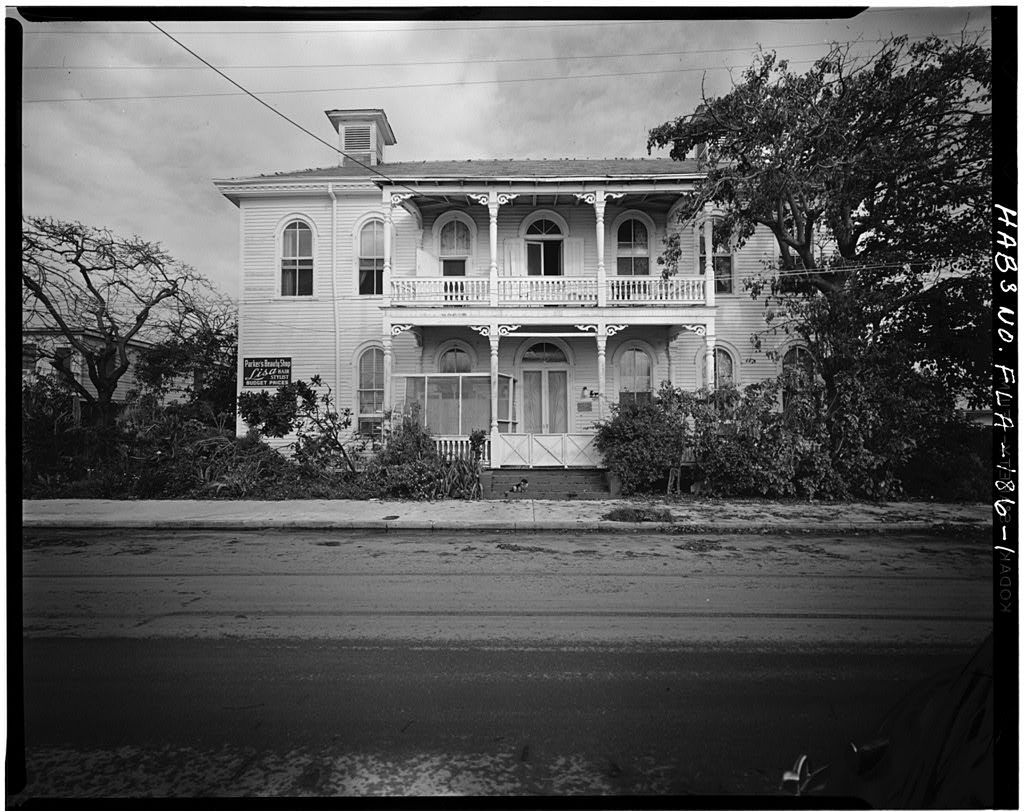
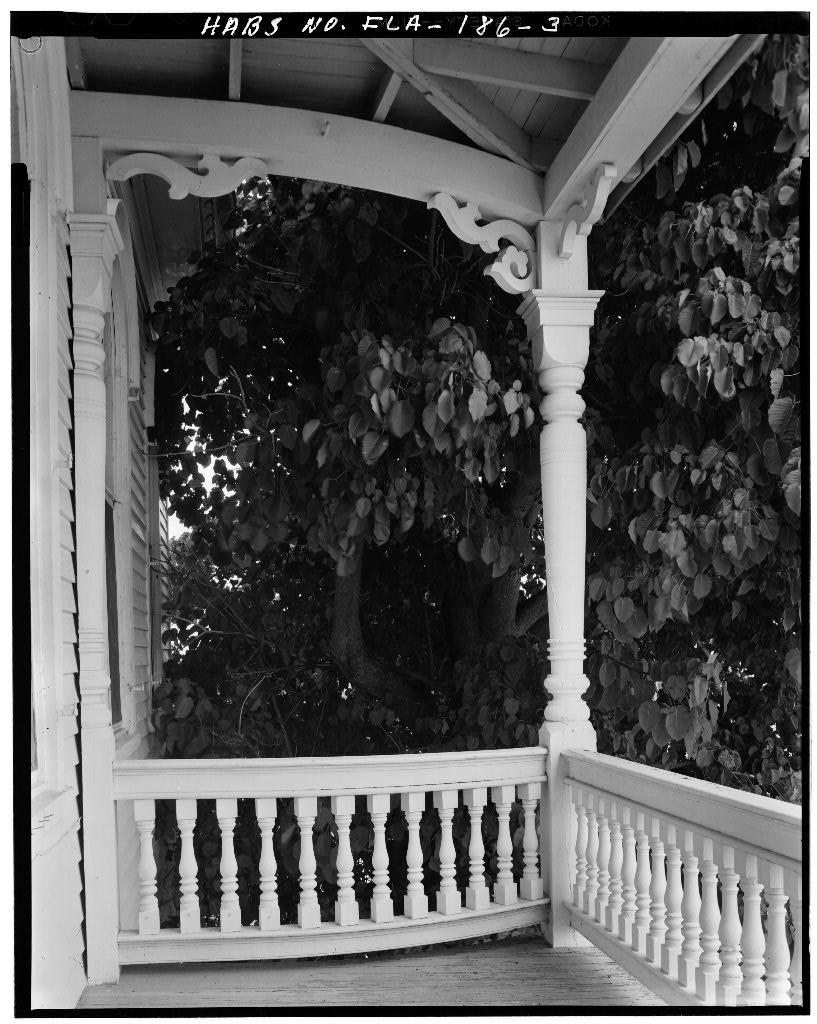
Florida Cracker:
Emerging in rural inland Florida, Cracker homes were simple, practical, and climate-responsive, built mostly of locally sourced pine. Elevated floors, steep metal roofs, wide porches, and large windows facilitated airflow and protected against heat, rain, and pests. These homes embody a no-nonsense, efficient approach to building in Florida’s subtropical environment.
Each of these styles demonstrates principles that are still relevant today: climate-responsive design, attention to human scale, and a thoughtful connection between indoor and outdoor spaces. By studying these traditions, modern architects can create homes that are both contemporary and deeply rooted in Florida’s architectural heritage.
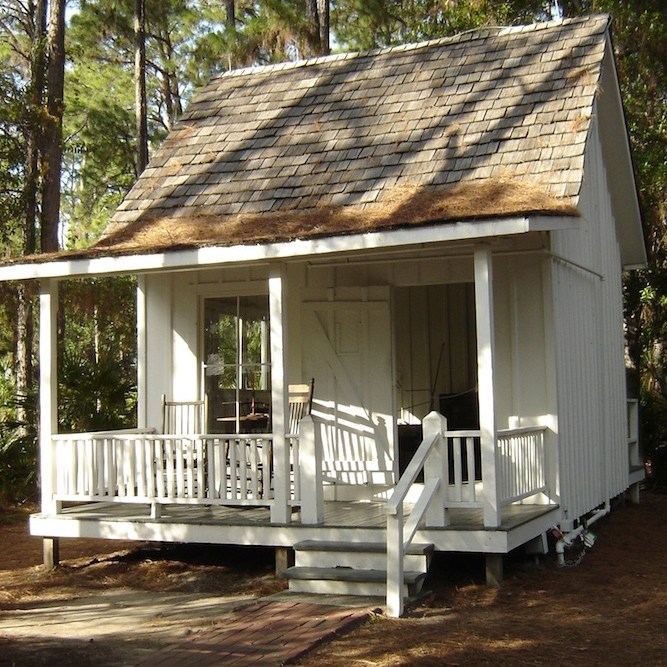

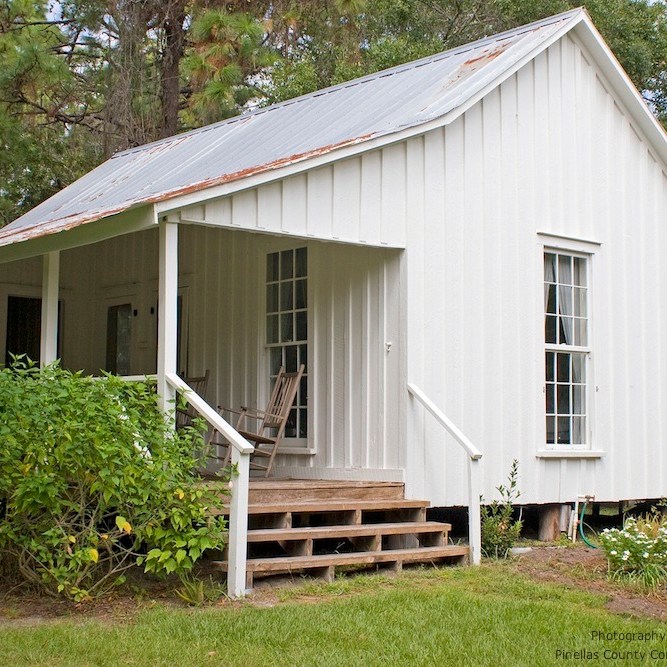
Florida’s Vernacular Roots
Strengths and Drawbacks:
- Spanish-Mediterranean: Handles sun well, but not designed for heavy rain
- Key West: Provides ventilation and breezes, but susceptible to storms and rot
- Cracker: Efficient and practical for inland heat, but minimal decorative detailing
What makes these historic homes so interesting isn’t just the materials — it’s the climate-responsive logic. Stucco structures handled the sun well, but weren’t ideal for heavy rain. Wooden homes offered airflow and a lightness that worked with the heat, but were vulnerable to termites or decay. Cracker homes were built for practicality, maximizing comfort with simple, efficient layouts.
These homes weren’t decorative for decoration’s sake. Roof overhangs, porches, and outdoor spaces were carefully designed to create shade, capture breezes, and offer comfortable living spaces. They were scaled for humans, not machines — large forms for the neighborhood, smaller forms for individual experience, down to steps, shutters, and louvers. Even today, those principles — sun, shade, ventilation, and connection to the outdoors — remain valuable for modern Florida homes.
The Shift After World War II
Changes in post-war housing:
- Front porches eliminated to save costs
- Backyard patios or lanais became the focus
- Homes mass-produced, not site-specific
- New building materials and systems became widely used
After WWII, when housing demand skyrocketed, builders started leaving out the front porches that had been such an essential part of Florida living. The focus shifted to backyard patios or lanais, where children could play, pets could run, and families could eventually add a pool.
At the same time, a whole new palette of materials and building methods became available. Plywood replaced traditional wooden boards on walls and roofs, and drywall replaced plaster inside. Terrazzo floors offered a durable, finished surface. Concrete blocks largely replaced wood and older clay or hollow block walls. Roof trusses allowed for faster, more efficient construction, and kitchen layouts began to integrate appliances and countertops in standardized ways.
While these innovations brought many advantages — durability, efficiency, and standardization — they also contributed to the loss of site-specific, climate-responsive design. Tract homes were built quickly and repeatedly, often without the nuanced attention to orientation, ventilation, or connection to the outdoors that made vernacular homes so comfortable.
The Problem with Mid-Century Tract Homes
Common issues:
- Windows placed without regard for views or breezes
- Identical sizes regardless of orientation
- East and west windows causing glare and overheating
- North windows underused, missing an opportunity for natural light
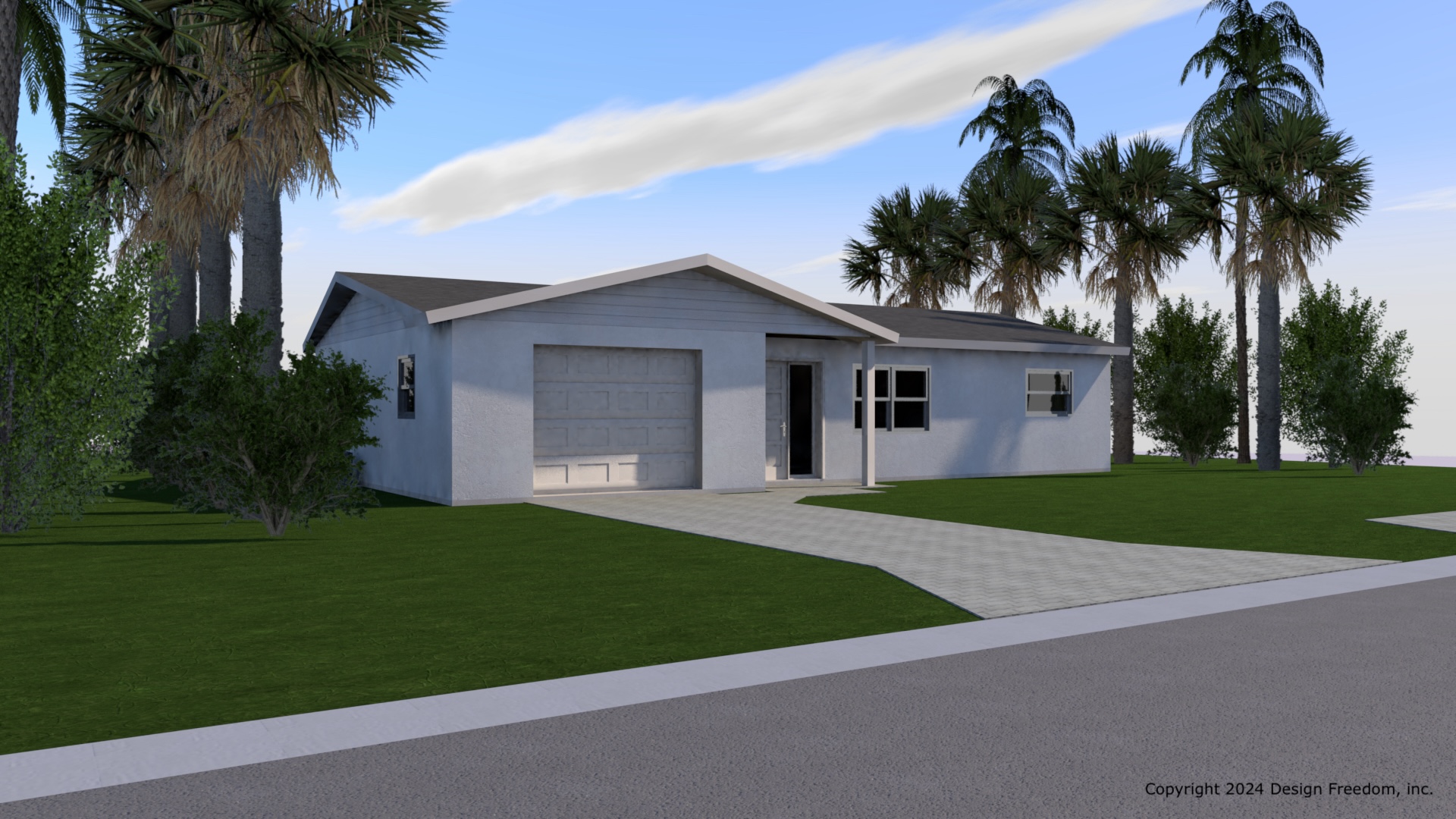
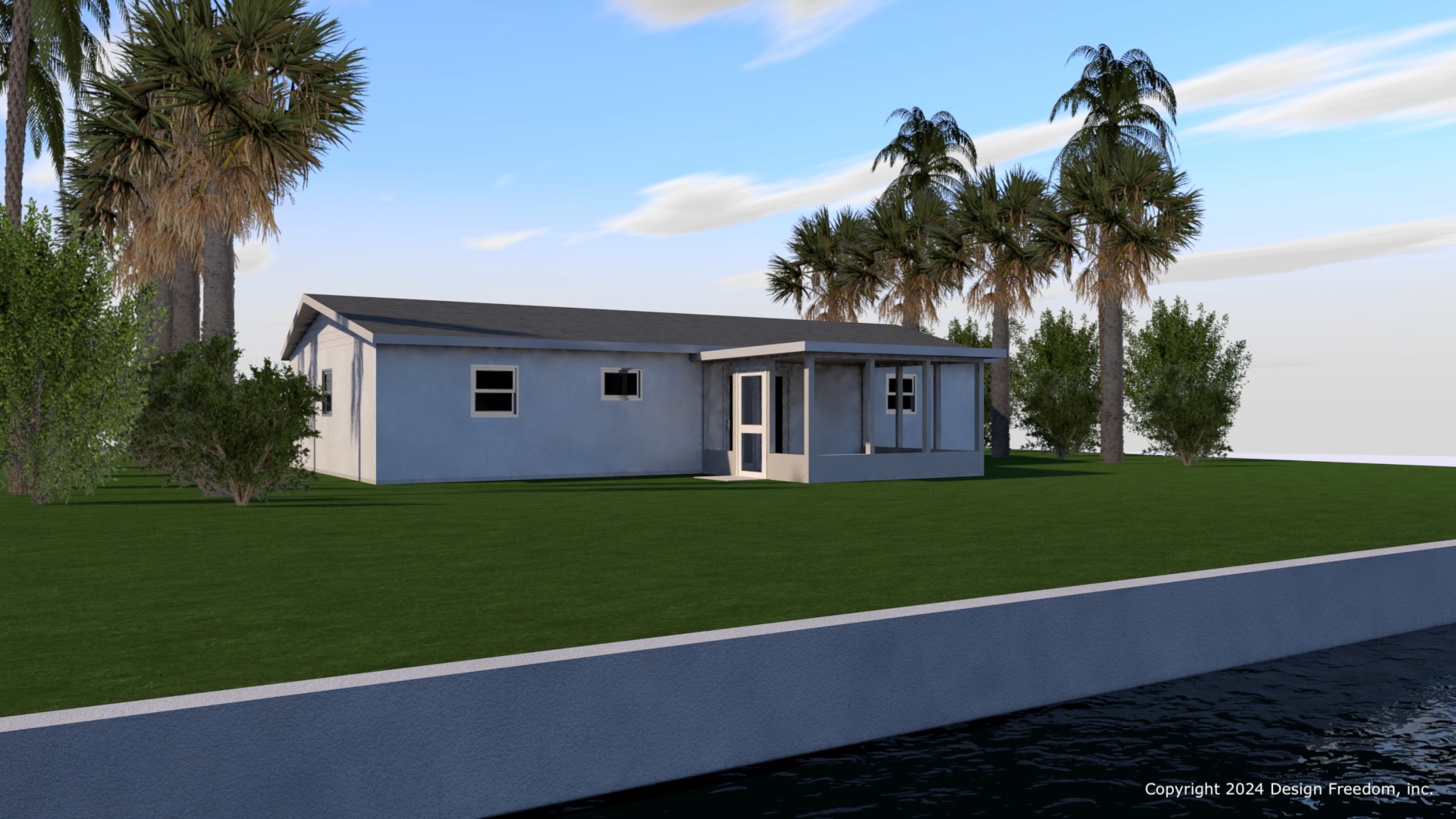
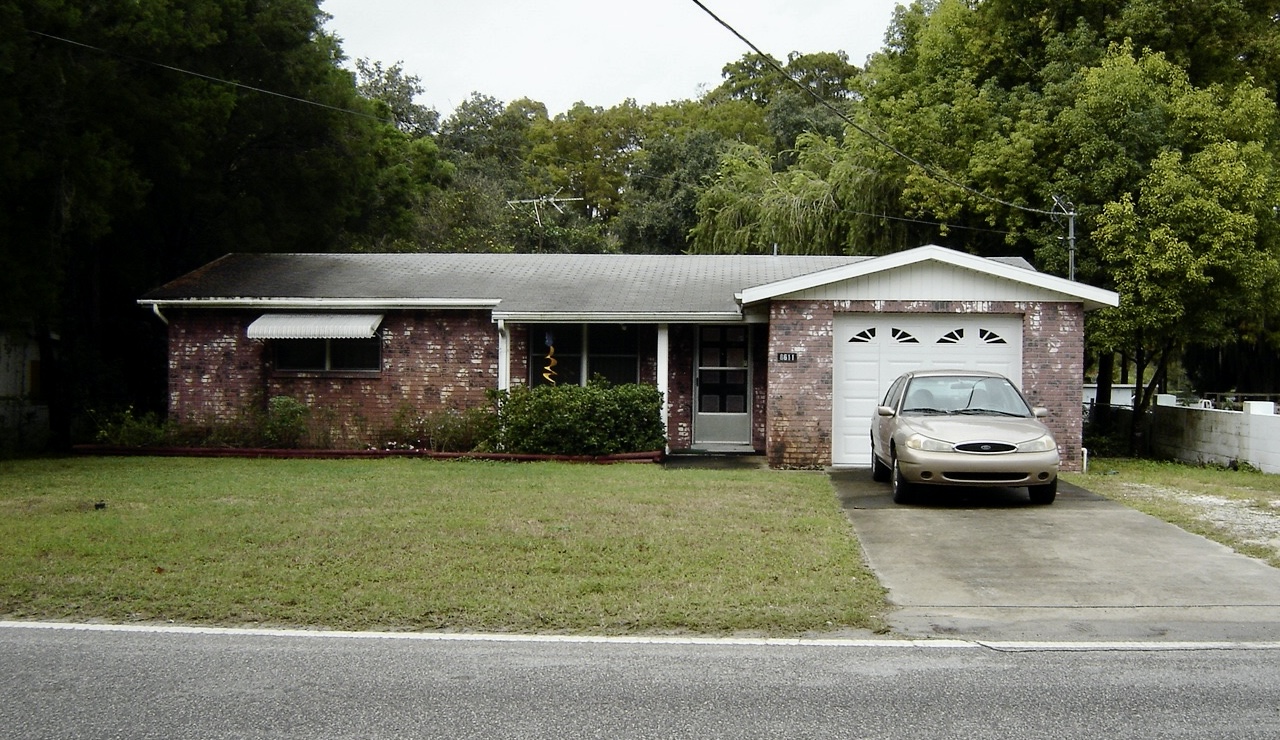
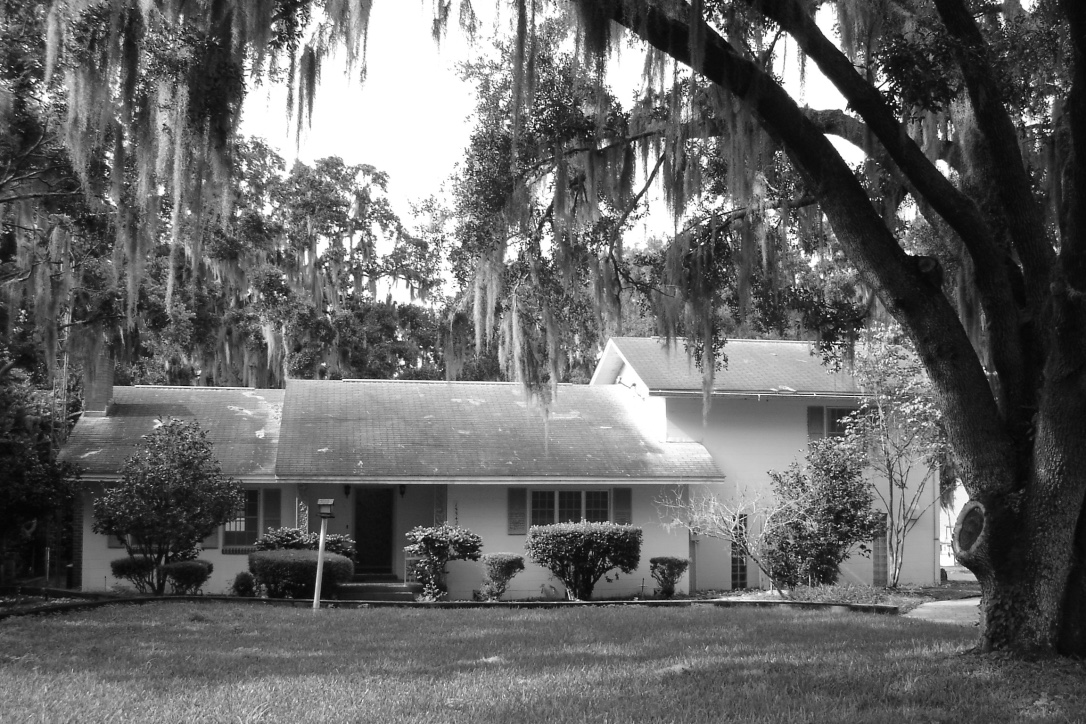
When I work on remodels or additions to these mid-century homes, I notice the same patterns again and again. Windows are centered in each room with no thought to the view, furniture placement, or airflow. Cross-ventilation is often impossible because there’s no second window or door opening to catch a breeze.
Uniformity compounds the problem. A south-facing window that blazes with sunlight is the same size as a north-facing window where we could have brought in natural light all year. East- and west-facing windows can create a dramatic sunrise or sunset for a moment, but heat the home the rest of the day until blinds are drawn. These houses weren’t designed for the people living in them, or the specific Florida lot — they were designed for efficiency and repetition.
Lessons from Vernacular Design
Smart vernacular strategies:
- Cross ventilation with windows on opposite walls
- Overhangs, porches, or shutters to block heat and glare
- Window sizes adjusted by orientation
- Indoor-outdoor living areas designed for comfort
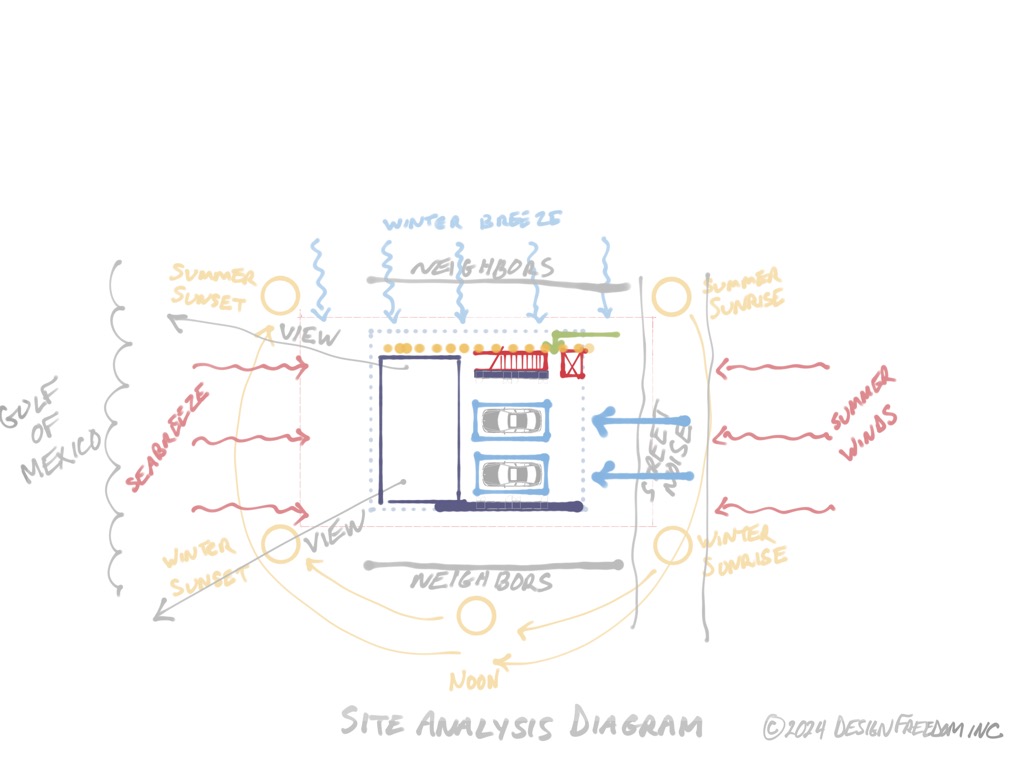
Vernacular architecture shows us how to live well in Florida without relying entirely on mechanical systems. East- and west-facing windows are often shaded by porches or shutters, filtering sunlight while still allowing a view. South-facing windows have overhangs that block the high summer sun but let in lower winter light. North-facing windows are larger and open, bringing in steady, glare-free daylight all year.
These homes weren’t just pretty — they were thoughtfully tuned to human scale and comfort. They respond to how people actually live, play, and move through spaces while respecting climate and materials.
Updating and Improving Existing Homes
Ways to make older homes work better today:
- Add shading elements: porches, pergolas, shutters
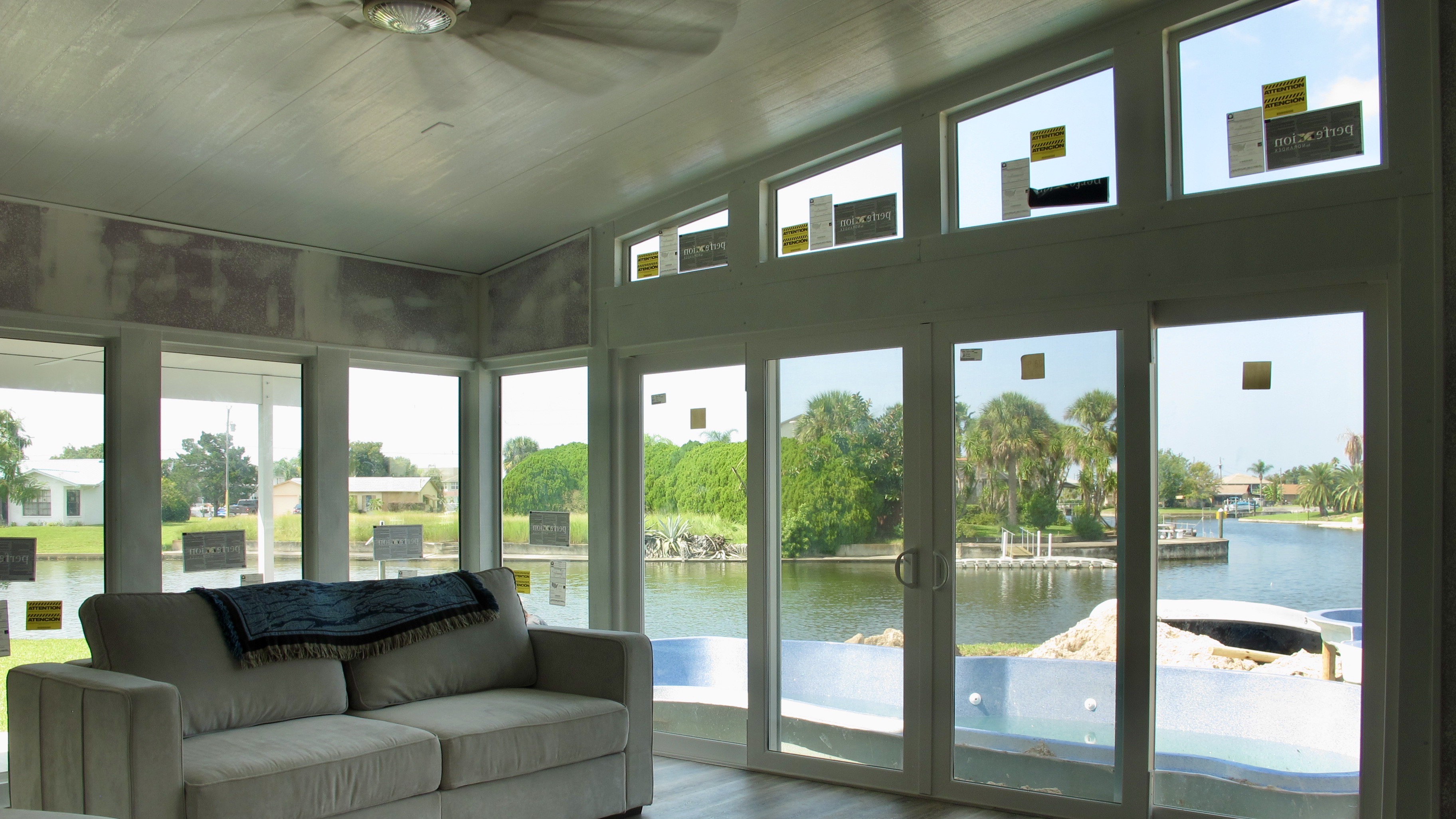
- Adjust windows: move, resize, or replace with sliding glass doors for light and outdoor access
- Modify landscaping: add, remove, or relocate plants to help with shade and airflow
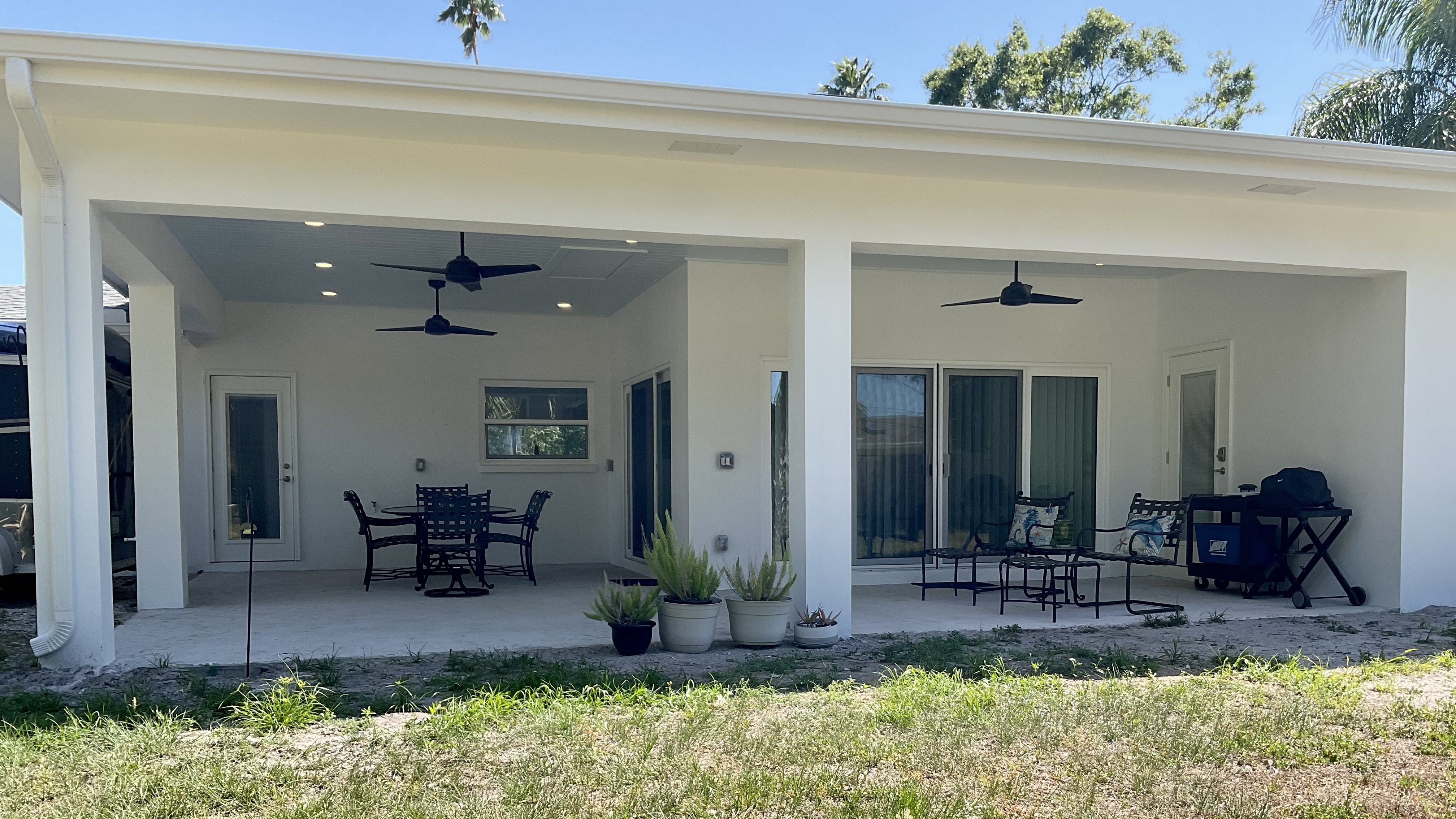
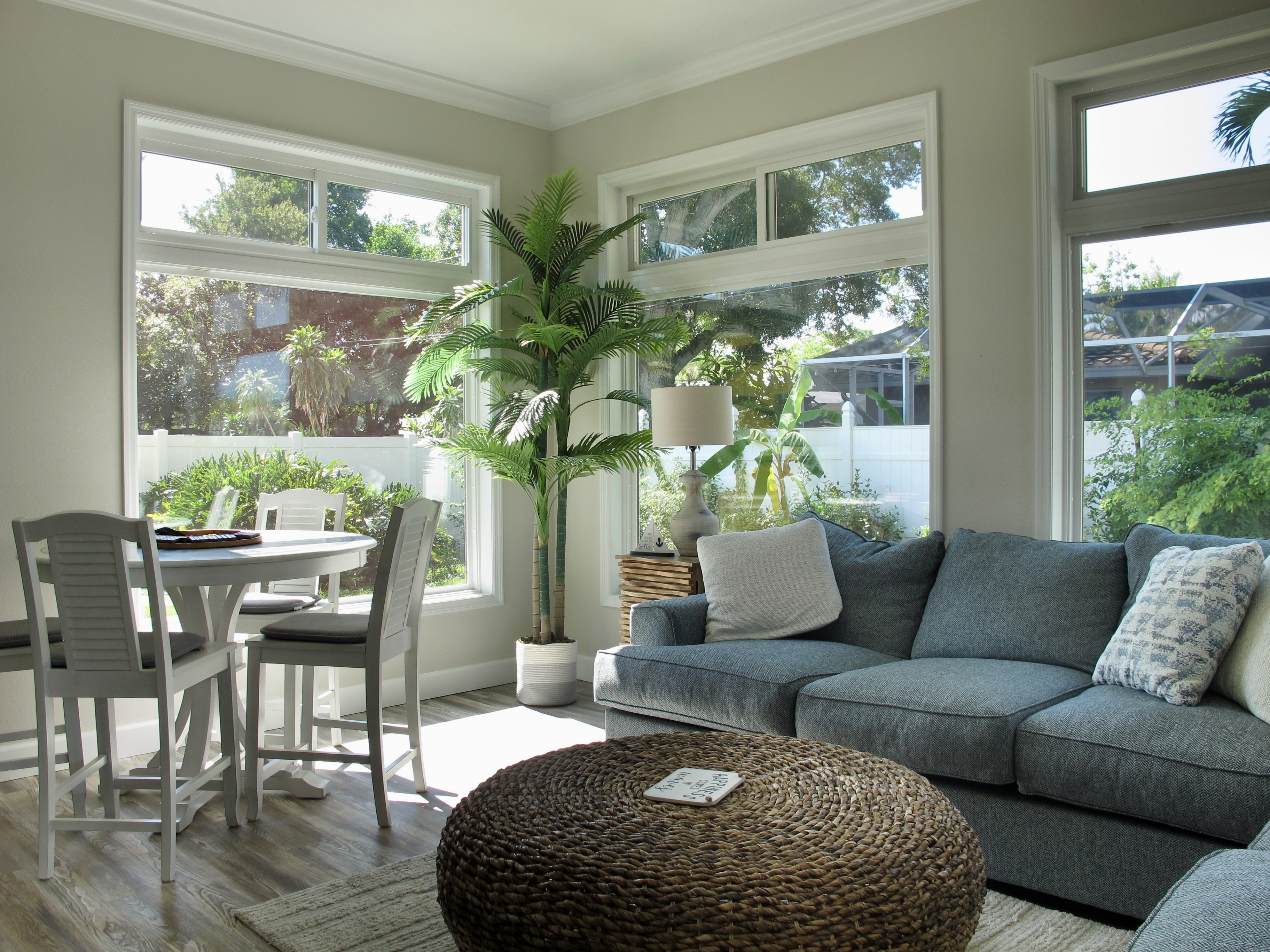
Even small updates can make a huge difference. Adding a pergola or a covered porch can shade a sunny window and improve comfort inside. Moving or enlarging a window — or installing a sliding glass door — can bring in light, enhance cross-ventilation, and improve the connection to outdoor spaces. Even the placement of plants and trees can help block harsh sun, funnel breezes, or create more comfortable outdoor areas.

Retaining Vernacular Wisdom in Modern Homes
Combining traditional details with modern upgrades:
- Maintain smaller home size for energy efficiency (“Not So Big House” courtesy of Sarah Susanka, Architect)
- Improve the building envelope: insulation, weatherization, caulking, gap-filling
- Use ceiling fans, high windows, north-facing glass
- Replace materials with longer-lasting alternatives (fiber cement siding, durable shutters)
- Incorporate vernacular-style features for character and shading (porches, shutters, solar panels)
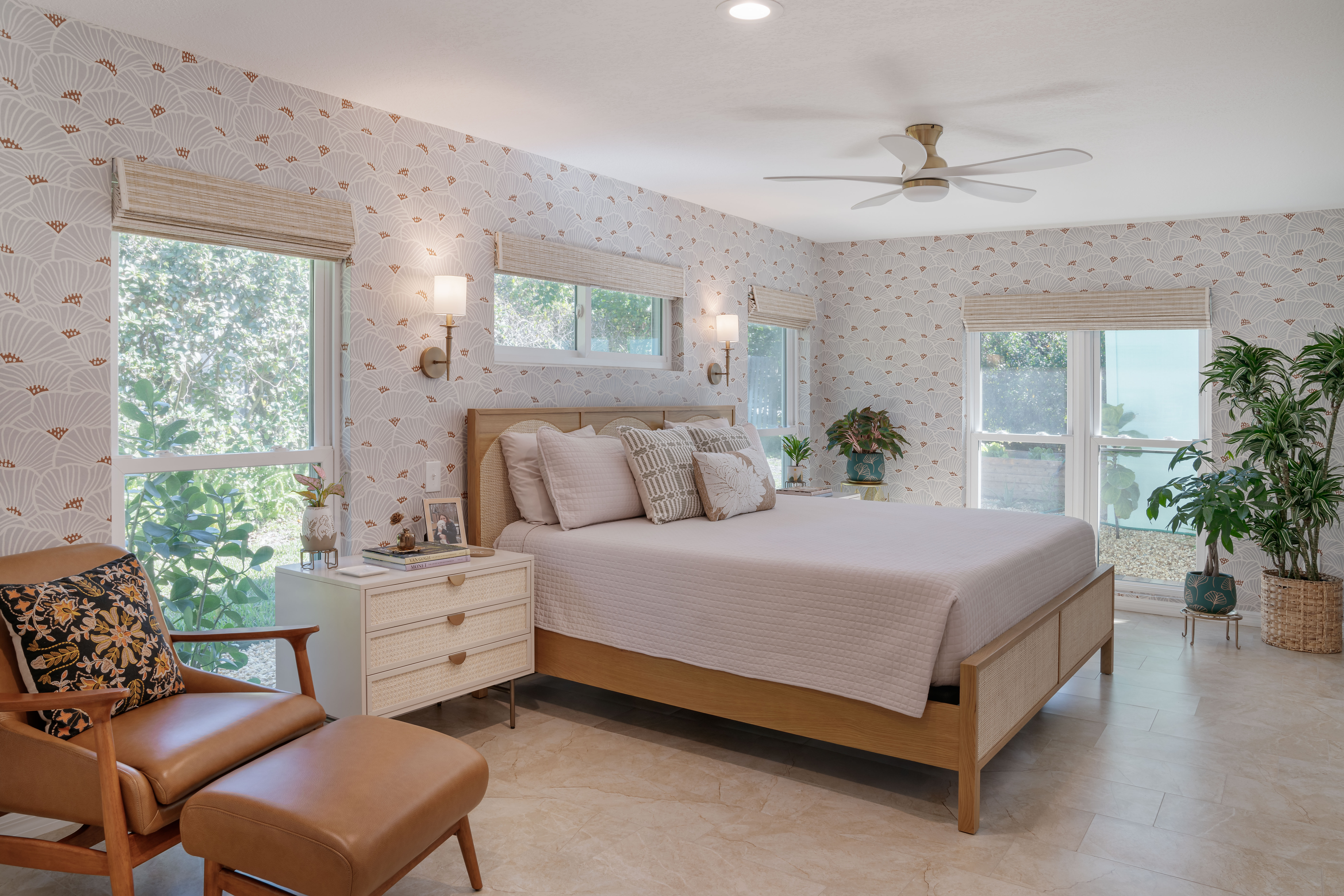
Just because we use modern insulation, windows, and doors doesn’t mean the original vernacular details are obsolete. Those features — roof overhangs, porches, shutters — still contribute to comfort, efficiency, and the human scale of a home. By keeping the house size reasonable, tightening the building envelope, and adding energy-conscious features, we can reduce energy use while preserving charm.
Modern materials allow us to extend the life of these details: fiber cement siding looks like wood but lasts decades longer, and shutters or pergolas can be functional while enhancing character. With a remodel or addition, we can take the opportunity to raise ceilings, add north-facing glass, or increase shaded outdoor space — all while respecting and enhancing the original vernacular spirit.
Reimagining the Modern Florida Home
What modern homes can do:
- Use durable, climate-ready materials like concrete block or stucco
- Add warmth and human scale with wood details and lightweight structures
- Orient and size windows for sun, shade, and breezes
- Design for connection to site, views, and lifestyle
A modern Florida home doesn’t have to look like a suburban tract house. A truly modern home continues the vernacular tradition: shaped by climate, site, and lifestyle, but updated with stronger, longer-lasting materials.
Concrete block or stucco walls stand up to weather and pests, while wood details — pergolas, louvers, or screened porches — provide warmth, scale, and texture. Thoughtful window placement frames views, encourages breezes, and brings the outdoors inside. The result is a home that feels fresh, comfortable, and timeless — a modern house that actually belongs in Florida.
Tropical Modern Connections
Architects working in Tropical Modern design have built on many of the same principles found in Florida’s historic vernacular homes: careful attention to sun and shade, cross-ventilation, indoor-outdoor connections, and human-scaled spaces. While the forms and materials may be contemporary, the underlying logic — designing for climate, comfort, and lifestyle — remains the same. By learning from these traditions, both historic and modern, we can create homes that are resilient, comfortable, and deeply connected to their environment.
Closing Thought
Historic and vernacular homes feel timeless because they were shaped by people, place, and climate. Modern homes can — and should — do the same. When modern meets vernacular, the result is not nostalgia, but a home that is resilient, comfortable, and deeply connected to its surroundings.
 Design Lines
One thought on “Modern Meets Vernacular: Building Better Florida Homes”