
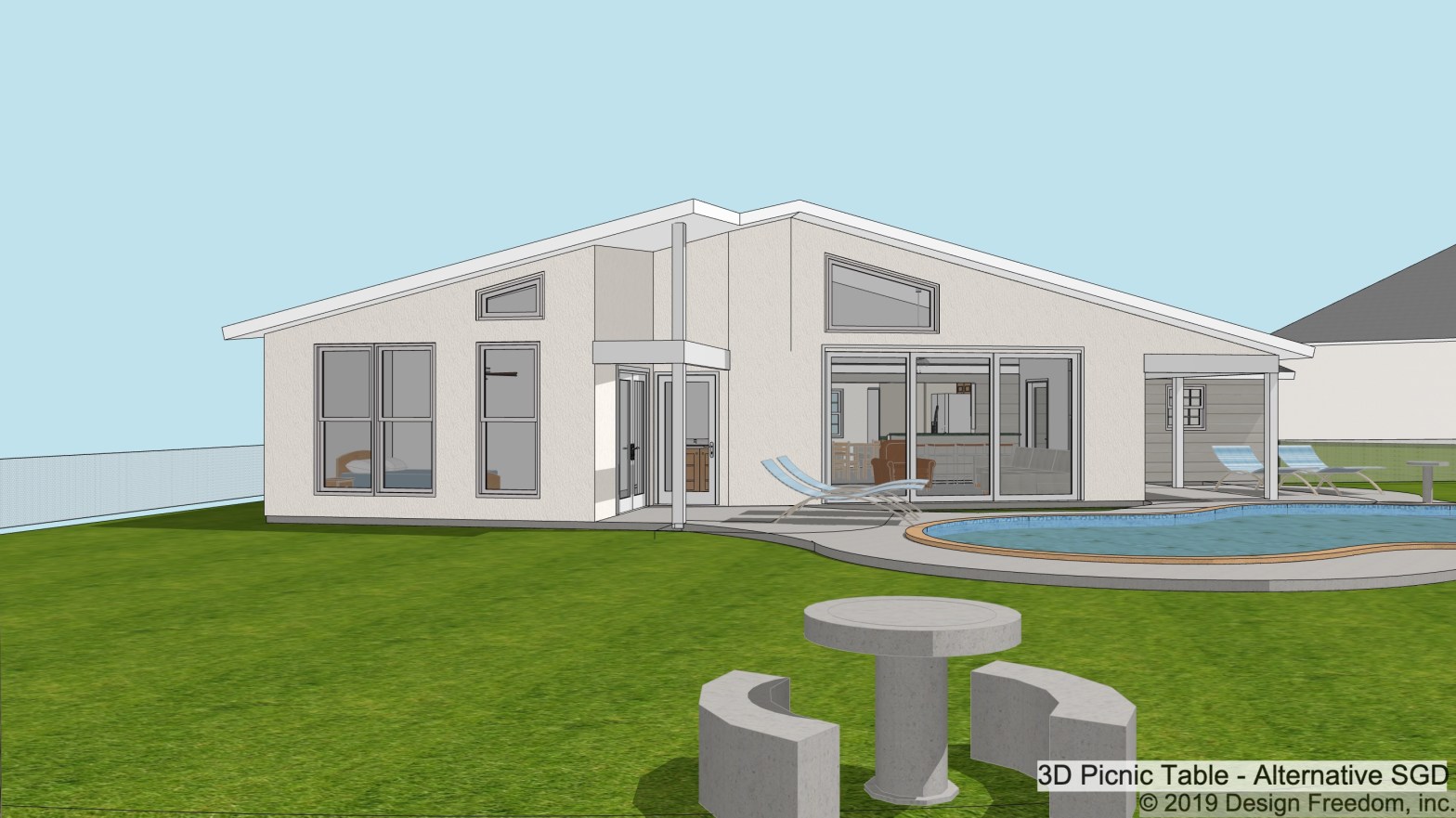
Multi-generational living is becoming increasingly common as families choose to share homes to save costs, provide support, and foster stronger bonds. Designing a home that works well for multiple generations means creating spaces that balance privacy with togetherness — spaces where everyone can enjoy independence while still coming together comfortably.
What Is Multi-Generational Design?
Multi-generational design can include several family configurations — grandparents living with adult children and grandchildren, siblings sharing a home, or families with caregiving needs. Unlike standalone accessory dwelling units (ADUs), multi-generational homes often involve additions or remodels that integrate shared living spaces with private retreats, all under one roof or connected closely.
Balancing Private and Shared Spaces
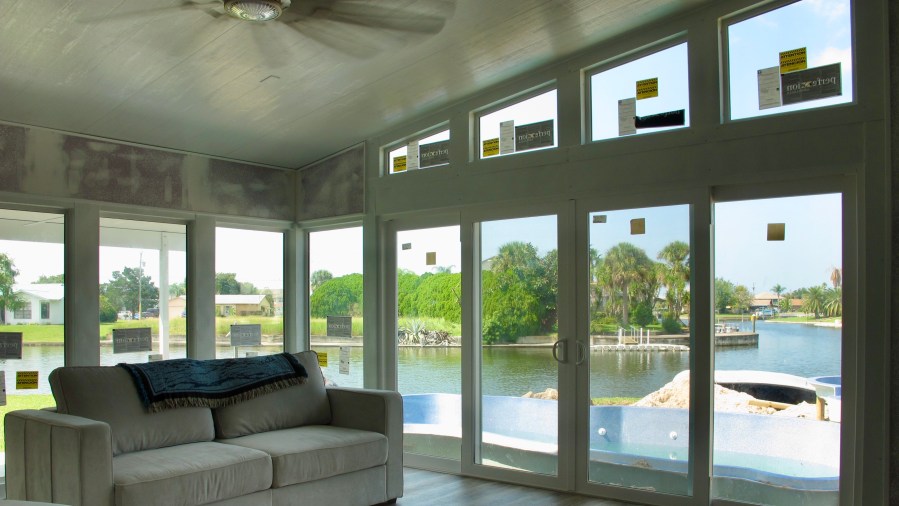
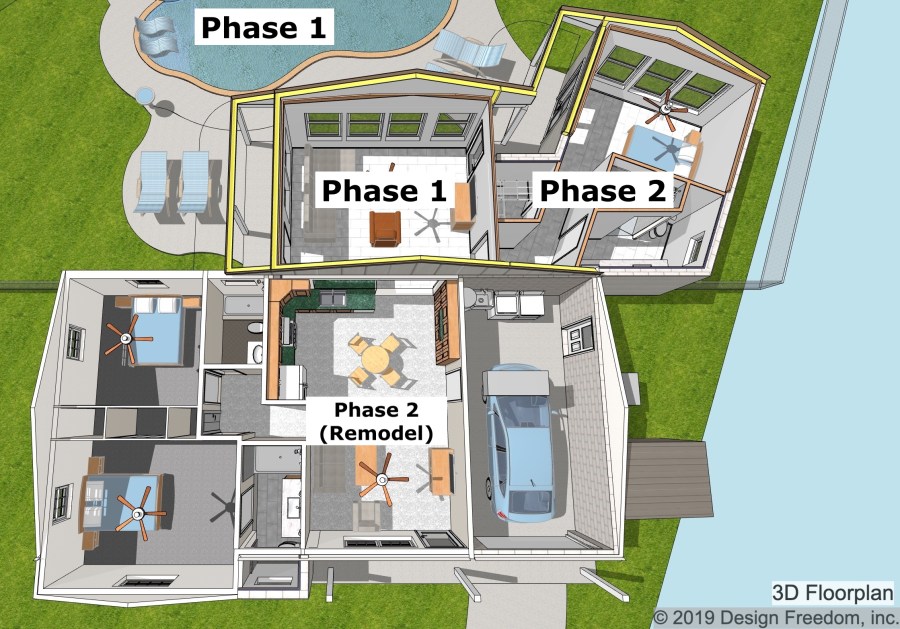
Thoughtful design carefully separates quiet zones from active family areas. For example, a master suite addition can serve as a private retreat away from the hustle and bustle of the main living room and kitchen. At the same time, open family rooms and outdoor spaces encourage connection and socializing.
Careful attention to the flow between rooms — with strategically placed doors, windows, and sightlines — helps everyone feel comfortable and respected.
Energy Efficiency and Building Techniques
Modern multi-generational additions can benefit from energy-efficient building methods such as Structural Insulated Panels (SIPs). SIPs offer excellent insulation, airtight construction, and faster build times, which increase comfort and reduce utility bills. Using SIPs also supports a healthier indoor environment for all family members.
Aging-in-Place Features for Longevity
Designing with aging-in-place in mind ensures a home remains accessible and safe for all family members, now and in the future. Features such as wider hallways and no-step, no-curb showers help accommodate mobility needs without compromising style. Thoughtful planning means the home can adapt as family needs change over time.
Case Study Spotlight: Project #19-08
This project included a family room and porch addition built with SIPs, alongside a new pool and outdoor living area. A planned master suite retreat was designed with aging-in-place principles — featuring wider hallways and a barrier-free shower — providing a peaceful space separate from the main home’s activity.
The design creates a perfect balance of shared and private space, all while maintaining energy efficiency and comfort.

Planning Your Multi-Generational Home
While some homeowners consider phased remodeling to spread out costs, it’s important to note that construction prices tend to rise over time. Phased building may not be the best long-term strategy except when regulatory restrictions apply, such as FEMA’s 50% rule in flood zones.
Careful upfront planning helps create a home that meets your family’s evolving needs without costly interruptions or redesigns.
Conclusion
Multi-generational living offers unique benefits and challenges, but with thoughtful design, your home can become a comfortable and efficient sanctuary for all ages. Planning for privacy, togetherness, energy efficiency, and accessibility will pay dividends in family harmony and future flexibility.
Visit our Next Steps page to download our free Project Planning Pack, or contact us to discuss your multi-generational home design.
 Design Lines