
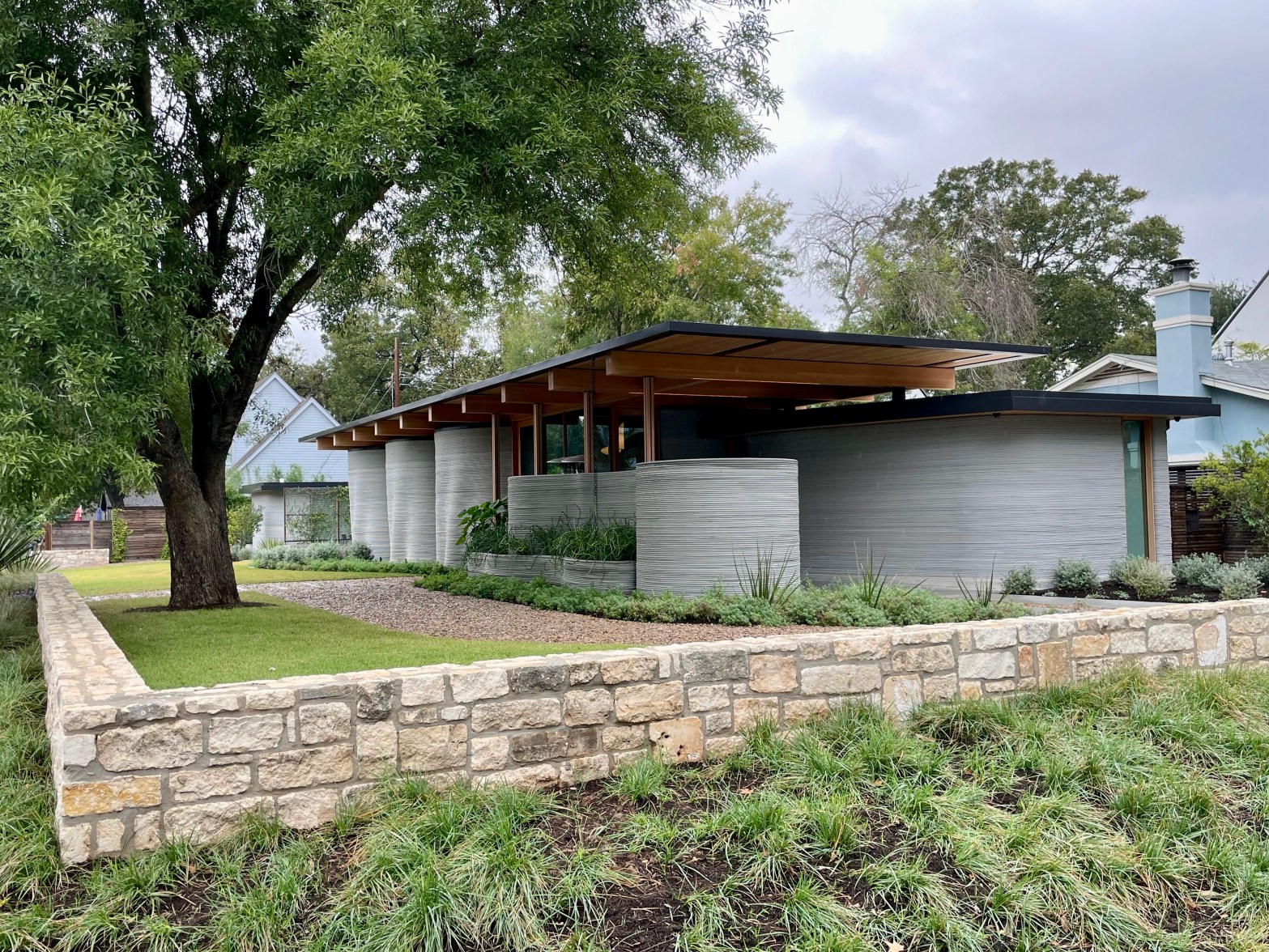
Often when I get a new Client, they’re focused on adding space, improving flow, or making their home more enjoyable for daily life and entertaining. They usually assume the house will be built to stand up and keep out the weather—and of course, it should. Sometimes they’ll mention a preference for wood frame or concrete block walls, often based on what the existing house is made of. But I wish more people were curious about how a home is built—how it’s put together to last, to withstand storms, heat, moisture, and time itself.
Wood framing is a traditional material, deeply familiar in the U.S. and around the world. We know how to use it well. Inside the home, we showcase wood in trim, cabinetry, and furniture. Outside, we’ve even invented other materials—vinyl, aluminum, fiber cement—to mimic the look of wood siding. We’ve taken wood apart and reassembled it into plywood, MDF, and engineered beams. It’s flexible, reliable, and easy to work with—but it’s also vulnerable to moisture, fire, and termites.
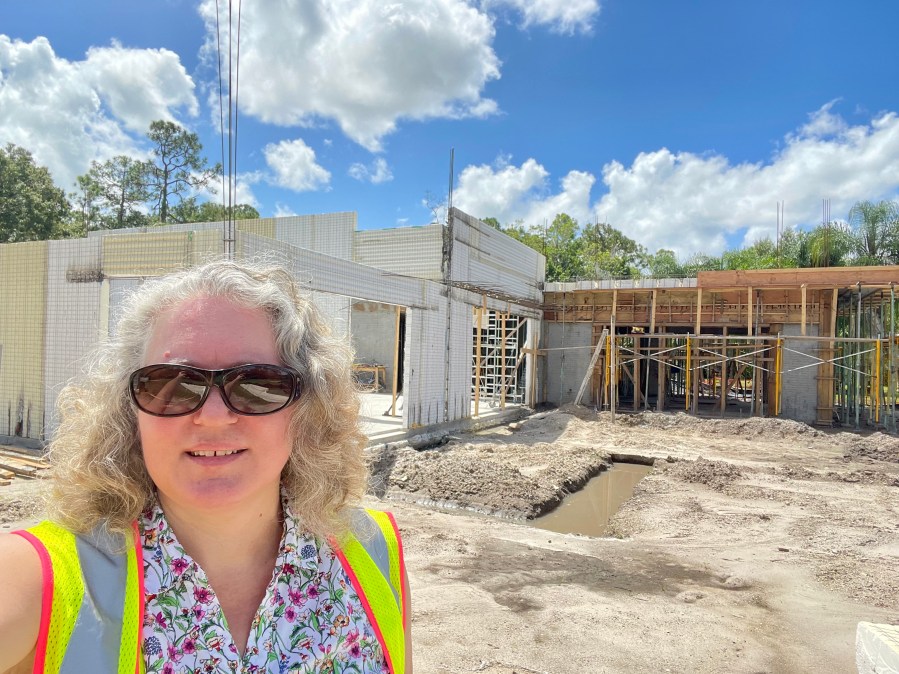
Concrete is much older than many people realize. The Romans used it extensively, and we had to re-learn how to make it in the 1800s. When reinforced with steel rebar, it becomes incredibly strong and durable. Concrete is molded into almost any shape, though it’s usually covered up in homes—used in slabs, block walls, or basements, and later hidden with finishes.
Brick has been around for millennia. Once used structurally, today it’s mostly seen as a decorative veneer. You’ll find more of it in North Florida, where clay is locally available.
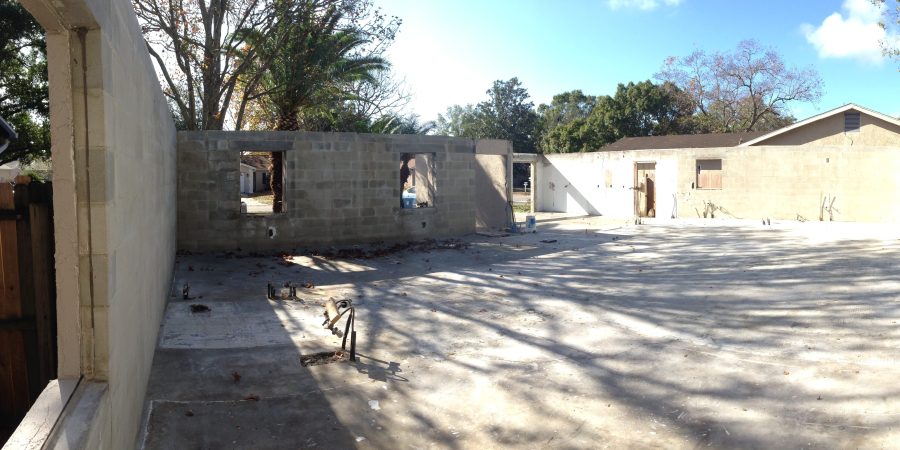
Concrete block (CMU) is common throughout Florida. It’s strong, termite-resistant, and widely understood by local trades. When reinforced with rebar and filled with grout, it performs well in high-wind areas. Most homes built with block have it covered with stucco or siding on the outside, and drywall on the inside.
But beyond these traditional materials are some newer—and not-so-new—methods that deserve attention. Many of them take advantage of factory precision and modern thinking. After all, nearly everything that goes into a house is made in a factory: roof trusses, siding, fasteners, windows, cabinetry, even plumbing fixtures. So why do we still build most homes outside, exposed to weather and delays?
Here are a few construction methods we’re watching closely:
- Wood Frame Panels: Factory-built wood wall panels are pre-assembled with framing, sheathing, and even window openings, then shipped to the site for faster setup. These systems are widely used in northern states and reduce on-site labor time. While traditional wood framing is familiar and flexible, here in Florida, the risk of termites and moisture damage means extra care must be taken with detailing, protection, and maintenance. Still, it’s a reliable method that can speed up construction without sacrificing design.
- Modular Homes: Entire sections of a house—like bedrooms, bathrooms, or kitchen modules—are built indoors and transported to the site, where they’re craned into place and connected. They meet the same codes as site-built homes and can be designed beautifully, but the term modular often brings to mind mobile homes of the past. With a good architect and builder, though, modular construction can deliver a high-quality, efficient, and even luxurious result.
- Shipping Container Homes: Repurposed steel containers offer a strong structural shell and are naturally resistant to termites. They’re especially popular for compact, modern designs and can be combined or modified to create larger spaces. With thoughtful insulation and design, they can be surprisingly comfortable and energy-efficient—and they definitely make a statement.
- Structural Insulated Panels (SIPs): These panels have a solid foam core sandwiched between plywood, OSB, or even metal skins. They provide excellent insulation and go up quickly, reducing construction time. SIPs can be used for walls, roofs, and floors, and they’re compatible with many exterior finishes—so the final home can look just like a traditional house. They’re especially well-suited for vaulted ceilings and open-plan spaces.
- SCIPs (Structural Concrete Insulated Panels): These panels combine a foam core with steel mesh and sprayed-on concrete (shotcrete), forming a strong, resilient shell. They’re termite-resistant, hurricane-resistant, fire-resistant, and extremely well-insulated. While less familiar to some builders, SCIP homes can be shaped creatively and finished in any style. We’re particularly excited about the potential of SCIPs for long-lasting, energy-efficient homes in Florida’s climate.
- 3D Printed Concrete Homes: Using robotic arms and custom-designed nozzles, 3D printers extrude concrete into the shape of exterior and interior walls, layer by layer. The process reduces waste, saves time, and allows for curved and organic shapes that are harder to achieve with traditional methods. While still a developing technology, it’s showing a lot of promise—especially for affordable and disaster-resilient housing.
- Tilt-Up Precast Panels: Commonly used for warehouses and industrial buildings, but worth considering for residential use in the right context. Concrete panels are poured flat on-site, then tilted up into position with a crane. It’s fast and precise, and offers exceptional durability. Not typical for homes yet, but that could change—especially in coastal areas where resilience matters.
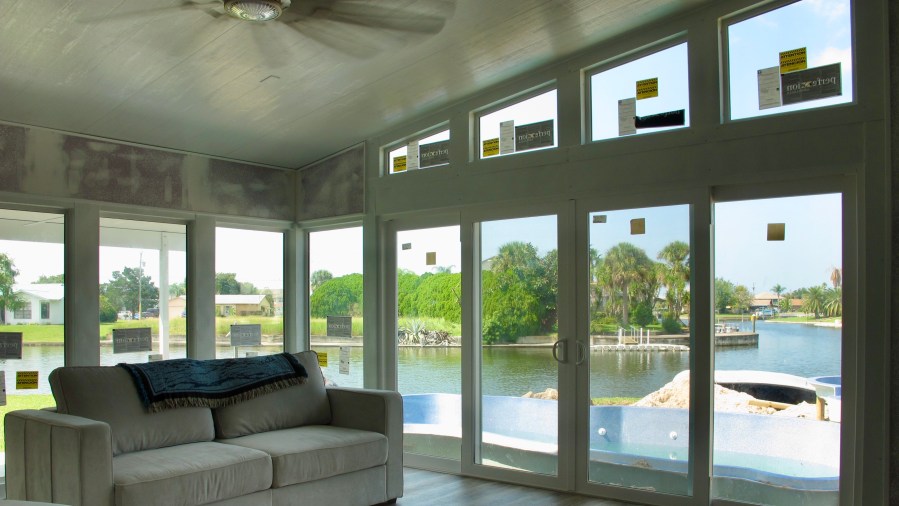
We’re excited to explore these new options and look forward to using them wherever they’re the right fit. Materials matter—especially in a Forever Home. Let us know if you’re curious about alternatives for your next project.
Visit ForeverHomeArchitect.com or browse more thoughts and stories at DesignLines.blog.
 Design Lines