
What If We Designed for Sunshine and Storms?
Florida’s nickname is the Sunshine State—but anyone who lives here knows that storms can be just as defining. What if we designed our homes to thrive in both?
In a sunnier Florida, homes would stay cool and breezy in the heat, and calm and dry in a storm. Families could return home after hurricanes to find their homes undamaged—no drywall to rip out, no weeks of waiting for insurance adjusters, and no gut-wrenching decisions about how to rebuild with limited funds.
We’d have homes that let us enjoy the sunshine—and stay safe through the storms.
Building Better Homes: Let’s Make FEMA Obsolete
In Florida, we’ve learned to build with resilience, but it’s often reactive—designing in response to the latest storm or flood. What if we didn’t wait for disaster to strike before thinking about how to protect ourselves and our homes? What if we could build in a way that makes FEMA’s flood management efforts obsolete? The solution lies in creating homes that are designed not just to withstand storms but to thrive through them—homes that last, adapt, and minimize damage.
Most Florida homes were built low, with tile over concrete or terrazzo slab floors, concrete block walls, and asphalt shingle roofs. But behind the paint on the walls? Stud walls filled with fiberglass insulation, wrapped in paper-faced drywall. In other words, a recipe for disaster every time water gets in.
This has been the standard way to finish out interiors in Florida for decades—even in flood zones. When the water rises, these materials absorb it, swell, mold, and have to be torn out. Yet time and again, they’re replaced with the same vulnerable stuff. Contractors put it back because it’s what they know. Insurance often only covers it because it’s what was there.
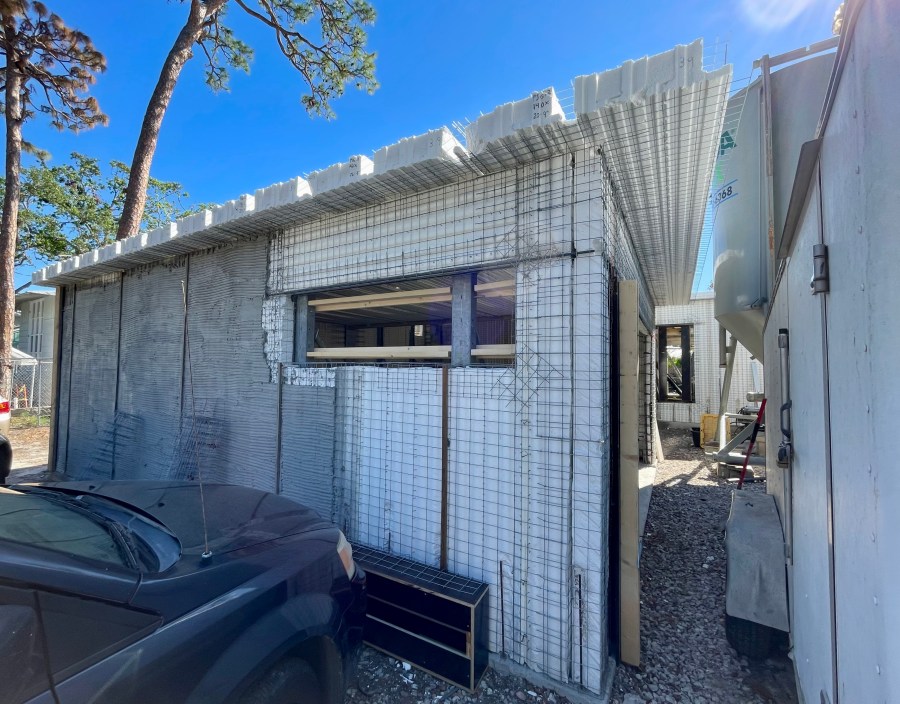
But alternatives exist. Materials like Structural Concrete Insulated Panels (SCIPs) are used all over the world to build homes that are stronger, drier, and more energy-efficient. SCIP walls are made of foam insulation sandwiched between layers of reinforced concrete—completely mold-proof, flood-resistant, and able to withstand hurricane winds. These aren’t experimental materials. They’ve been tested in extreme environments for decades and are now making their way into more Florida homes—especially custom ones.
And it’s not just SCIPs. Cement board, polished concrete, elevated mechanical systems, tile that doesn’t trap moisture, windows with storm-rated glass—these are options we already have. Yet we’re still stuck in a cycle of short-term repairs and long-term regrets.
We don’t need to reinvent the wheel. But we do need to stop rebuilding it out of materials that melt when wet. It’s time to move beyond business as usual.
Why Aren’t We Building That Way Now?
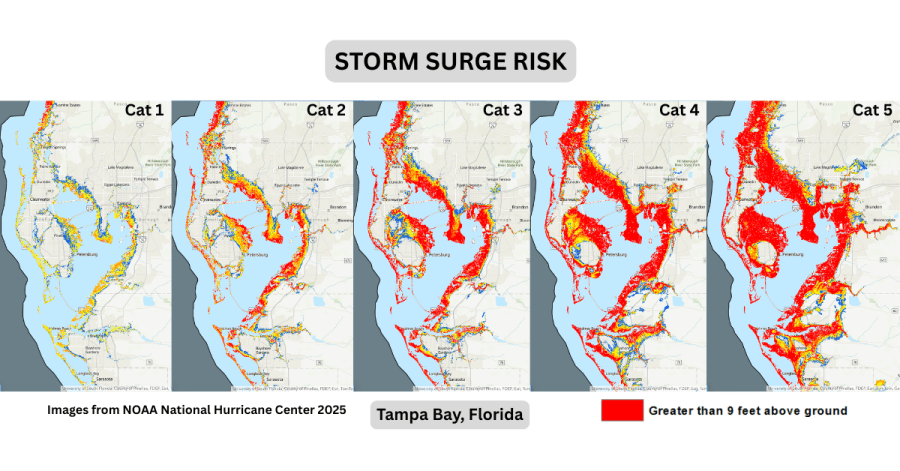
In Florida, most homes aren’t built to withstand flooding. Many are designed the same way they were 50 years ago, with little thought to the rising risks.
We’re building homes the same way, storm after storm, loss after loss. What if we stopped and asked: is there a better way?
Building for Florida’s Future
Florida, the “Sunshine State,” could also be the “Resilient State.” While the title sounds optimistic, it’s rooted in the very essence of what makes Florida unique: its exposure to storm surges, extreme heat, and rising sea levels. Our building methods have evolved little over the last century, yet the climate around us continues to change at a faster pace than we can rebuild.
We can no longer afford to focus solely on cosmetic details or outdated construction methods. What if every home in Florida could be stronger and safer, better able to withstand the elements and more energy-efficient? What if they could be designed for the long haul—homes that resist both the heat and the storms while maintaining livability year-round?
The future of building in Florida isn’t about building higher on stilts, as the real estate market’s growing fascination with elevated homes might suggest. It’s about building smarter with the right materials that not only survive storm surges but make daily living more comfortable, more sustainable, and more affordable in the long run.
Storms Have Always Been Part of Florida
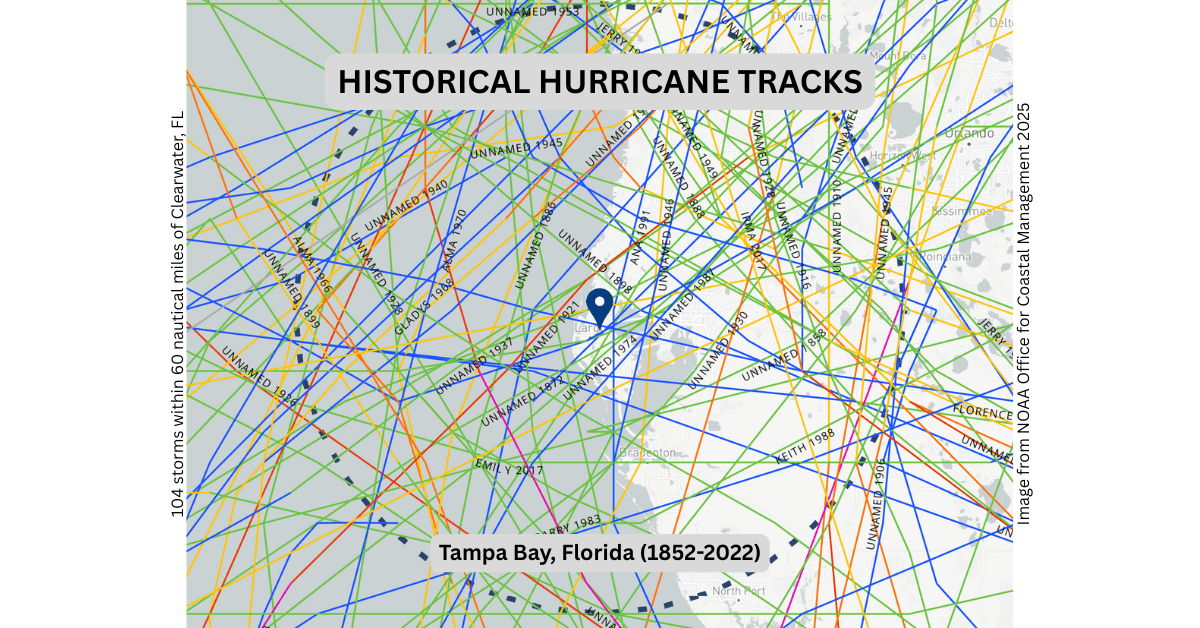
Long before Florida had highways, it had hurricanes—and communities found ways to survive them.
One of the strongest hurricanes in Tampa Bay history struck in 1848. A storm surge flooded the Philippe family’s homestead on the western shore of Old Tampa Bay. They sought safety on a nearby Native American temple mound—now part of Philippe Park in Safety Harbor. The mound was high and dry as the storm waters surged. The family survived, but the water destroyed their home and citrus groves.
Nearly two centuries later, those same shorelines are still vulnerable. But instead of adapting, many communities have continued to build with the same materials—and the same risks.
The Storm History We Can Learn From
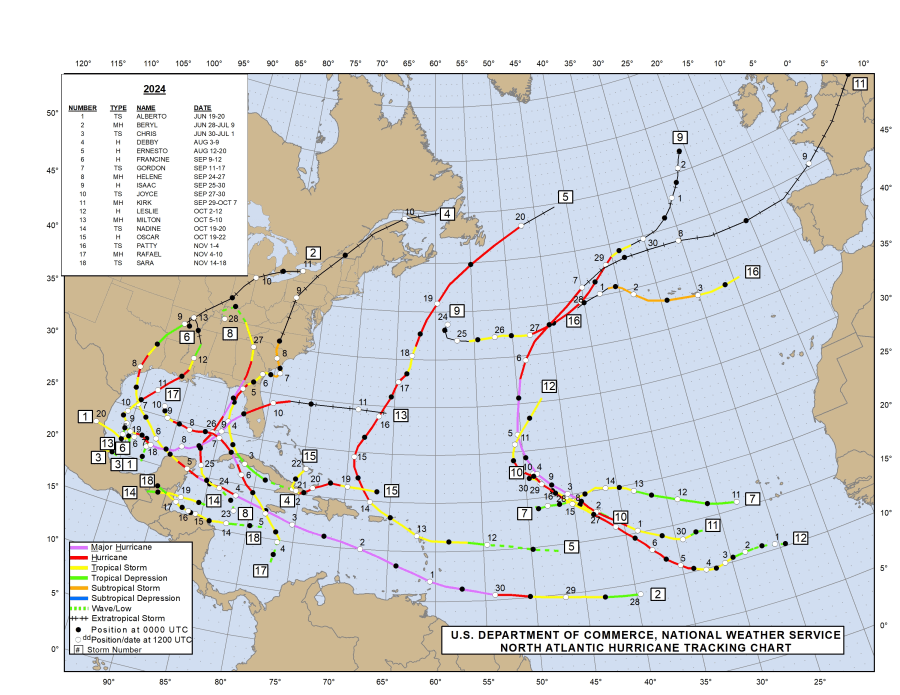
Florida’s weather is unpredictable—storms arrive uninvited, wrecking havoc and leaving thousands without homes, memories, or livelihoods. Whether it’s Hurricane Andrew (1992) or Hurricanes Helene and Milton (2024), every few years a storm comes along and makes us reconsider how we design our homes. But as much as we have experienced storms in Florida, there’s something remarkably consistent in our approach to rebuilding afterward: We rebuild using the same basic materials, the same design logic, and the same assumptions.
Consider the destruction wrought by Hurricane Katrina (2005). Its aftermath served as a wake-up call across the Gulf Coast and beyond, urging a reevaluation of how we design homes in flood-prone areas. But it wasn’t just the massive damage that should have changed our thinking—it was the realization that many homes could have been saved or sustained with smarter materials and construction techniques. We need to look at Florida’s building history—especially the aftermath of Hurricane Andrew—through the lens of what went wrong and what we can do differently.
Building codes have improved, but the materials that are used still lag behind. They often serve as quick fixes instead of long-term solutions, simply because it’s easier to replace damaged wood, drywall, and insulation than it is to completely overhaul how we approach design and materials.
Florida Homes Could Be Durable, Cool, and Uplifting
Florida homes don’t need to be disposable. We have the technology to build homes that are resilient and beautiful.
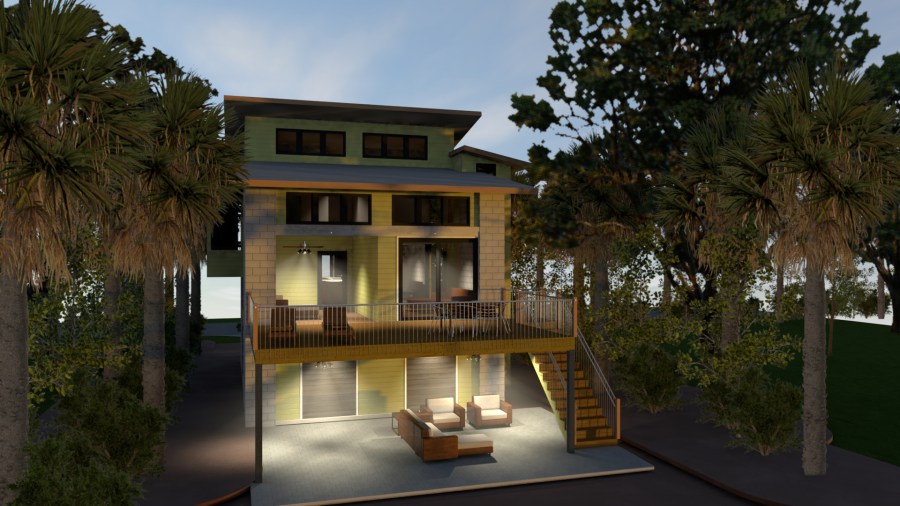
We can design homes with solid concrete walls, raised entries, and tile or terrazzo floors that can be rinsed and dried after a flood. We can insulate with foam board that doesn’t mold. We can position windows to catch breezes and block the harshest sun. And we can design homes that bring in daylight and celebrate views of the sky and water.
Imagine walking into a home after a hurricane and finding nothing ruined—just needing a mop and a towel.
The New Florida Home: From Vulnerable to Resilient
When we imagine a “forever home” in Florida, we’re picturing something that’s both functional and enduring. These homes should be energy-efficient, adaptable to climate changes, and built to last. The integration of Structural Concrete Insulated Panels (SCIPs) is one step toward this. SCIPs—already used successfully in other parts of the world—offer a modular, hurricane- and flood-resistant building solution. These walls have been engineered for both wind and water resistance. Moreover, they provide superior insulation, contributing to the overall energy efficiency of the home, which reduces utility costs and minimizes carbon footprints.
In addition to SCIPs, Florida homes can benefit from elevated HVAC systems, tile floors that resist moisture, and storm-rated windows. These features are not just for new homes but can be integrated into remodels and renovations. Homes that take a “forever home” approach aren’t just built for today’s needs—they’re designed to evolve and handle whatever changes come tomorrow.
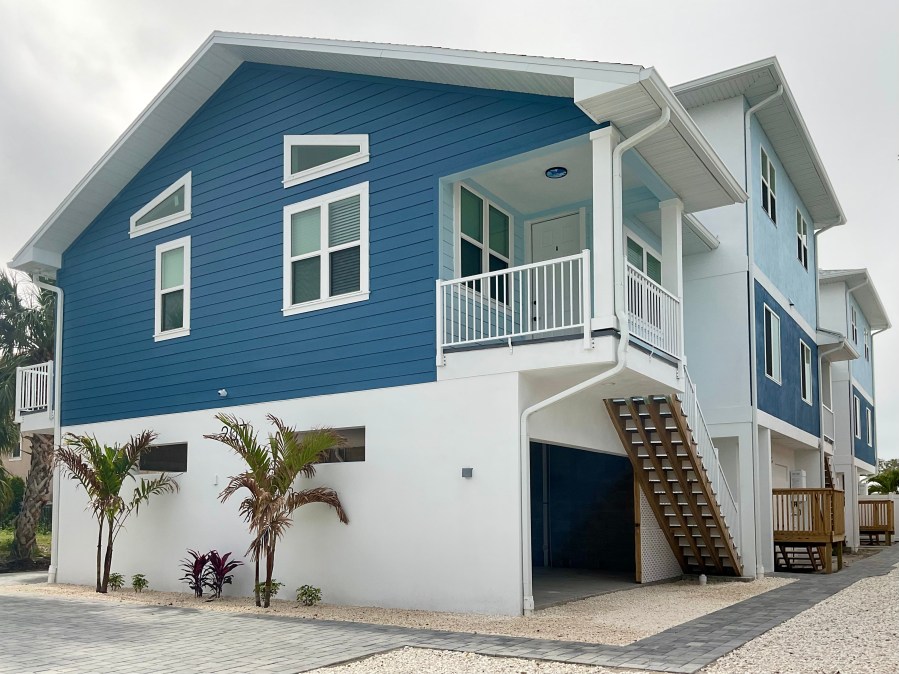
A Sunnier State: The Florida We Could Build
When we think of a home that can stand the test of time, it’s easy to picture something fragile or overpriced, like the overly ornate mansions built in the late 1800s. But that’s not the future. The Florida we could build is one that is simple yet durable, energy-efficient, and truly sustainable.
A Florida home designed for the future wouldn’t just be about expensive tech or complex designs; it would be about using materials we already have, combined with strategies that prioritize durability. The key lies in using concrete, foam, and other resilient materials that not only stand up to nature’s toughest challenges but help us live more comfortably year-round.
Think of it this way: we can design homes that are self-sufficient, low-maintenance, and highly resilient. Homes that help their owners feel safe when storms hit, comfortable on the hottest days of summer, and secure through Florida’s unpredictable weather. With the right materials—SCIPs, storm-rated glass, flood-resistant designs—this dream can become a reality.
Designing Homes for Generations to Come
The “forever home” concept doesn’t stop with its ability to survive storms; it extends to how well it supports the people who live in it. Florida homes are meant to last through family milestones, from raising children to eventually hosting grandkids. Therefore, we must design homes with adaptability in mind—homes that can evolve with families, and by extension, entire communities.
Incorporating both beauty and utility into a single structure might seem impossible, but the future of Florida’s homes calls for exactly that. Not only will resilient homes stand firm against floods and hurricanes, but they’ll remain a comfortable, functional space for years to come. We have the tools to create that future; we just need to use them.
What’s Next?
We don’t need to wait for a new building code. We can design better homes right now—homes that are built to last.
If you’re planning a new home or remodeling an existing one, ask your architect about materials that will survive a flood and what kind of insulation will keep your home cool, quiet, and free from mold. Inquire about what it takes to create a home you can count on—not just on sunny days, but when storms arrive.
Let’s build the Florida we really want: beautiful, storm-ready, and full of light.
Visit our websites to schedule a 30-minute phone call today:
- Interested in SCIPs? Visit www.SCIParchitect.com.
- Looking for your Forever Home? Visit www.ForeverHomeArchitect.com.
- Are you a real estate investor? Visit www.DesignFreedominc.com.
 Design Lines