

Crawl spaces are a defining feature of many homes in the South, particularly those built in the early to mid-20th century. These spaces, often found beneath historic bungalows from the 1920s and block homes with wood floor framing from the 1940s and 1950s, were originally designed with ventilation in mind. However, as building science has evolved, so too have our options for constructing, renovating, and venting crawl spaces. Let’s explore the characteristics of vented crawl spaces in historic homes and the modern solutions available for renovations and new additions.
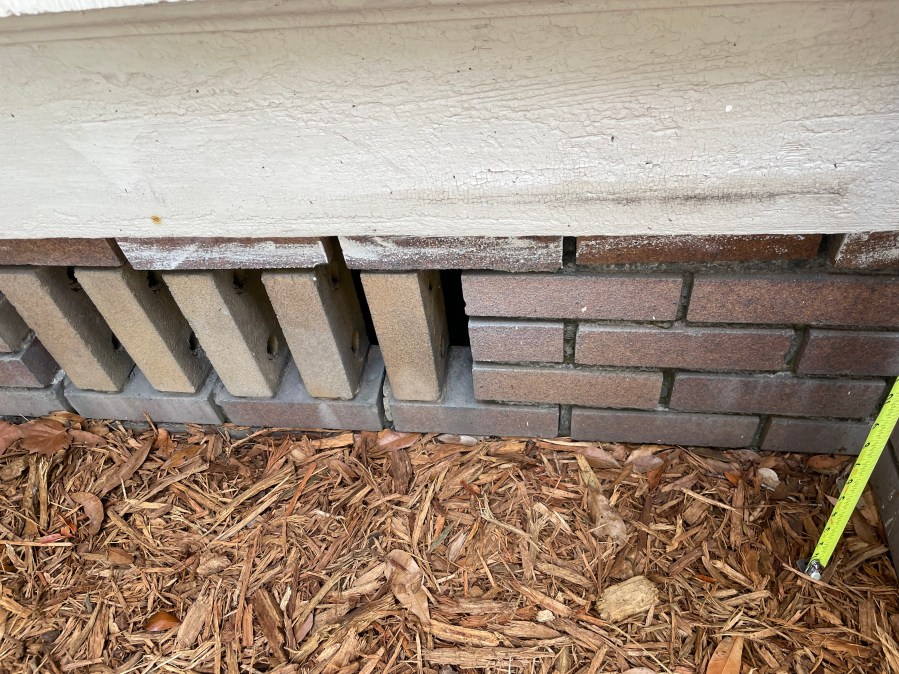
Brick foundation wall and a brick vent for airflow on this historic Bungalow home from the 1920s
Vented Crawl Spaces in Older Homes
Craftsman bungalows and early mid-century block homes with crawl spaces were designed during a time when venting was considered essential. The vents—small openings in the foundation walls—were intended to allow air circulation, reducing moisture buildup and protecting wood framing from rot.
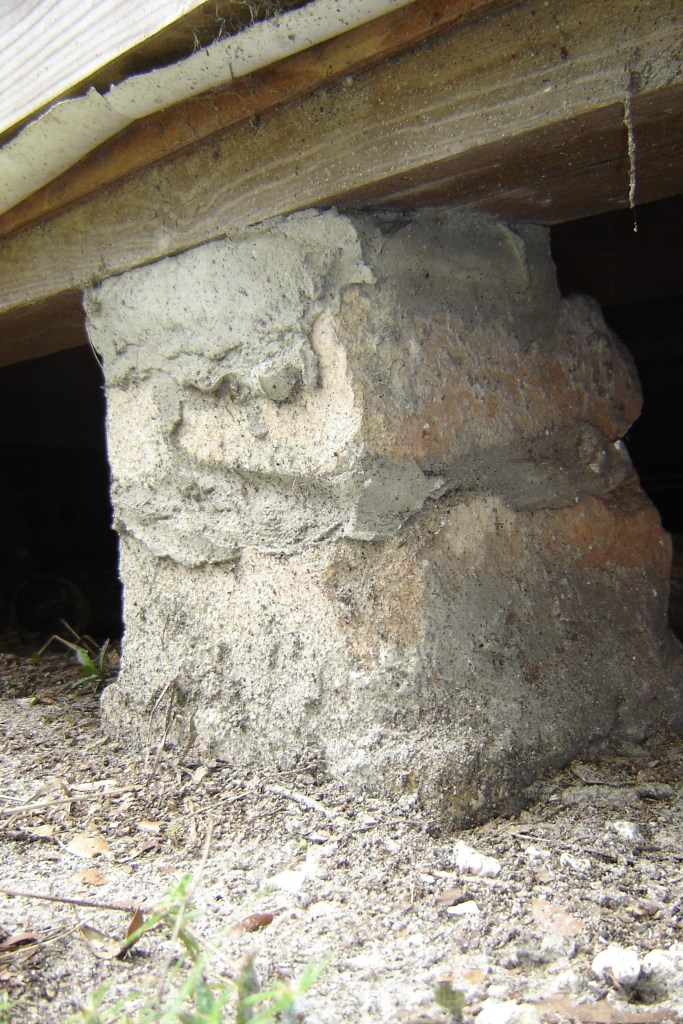
Original masonry stone pier under this house, likely without a concrete footing
Common Features:
- Construction Materials: Many of these homes feature wood floor framing supported by concrete or brick piers.
- Ventilation Design: Foundation walls include multiple small vents, often without fans or other mechanical systems.
- Open Pier Construction: Some homes are built on piers with open spaces between them, often filled in later with cross-woven wood slats or solid blocks to block rodents and insects but inadvertently reducing ventilation.
- Moisture Issues: In the South’s humid climate, vented crawl spaces often draw in warm, moist air, leading to condensation on cooler surfaces. Over time, this can result in mold, mildew, and even structural damage to wood framing.
- Accessibility: Crawl spaces in older homes are often tight and challenging to navigate, complicating maintenance and inspections.
- Lack of Insulation: Insulation was often omitted, as it was deemed unnecessary due to the warmer climate, though this can lead to infestations and energy inefficiency.
While these vented crawl spaces were state-of-the-art in their time, they often struggle to meet modern standards for energy efficiency, indoor air quality, and moisture control.

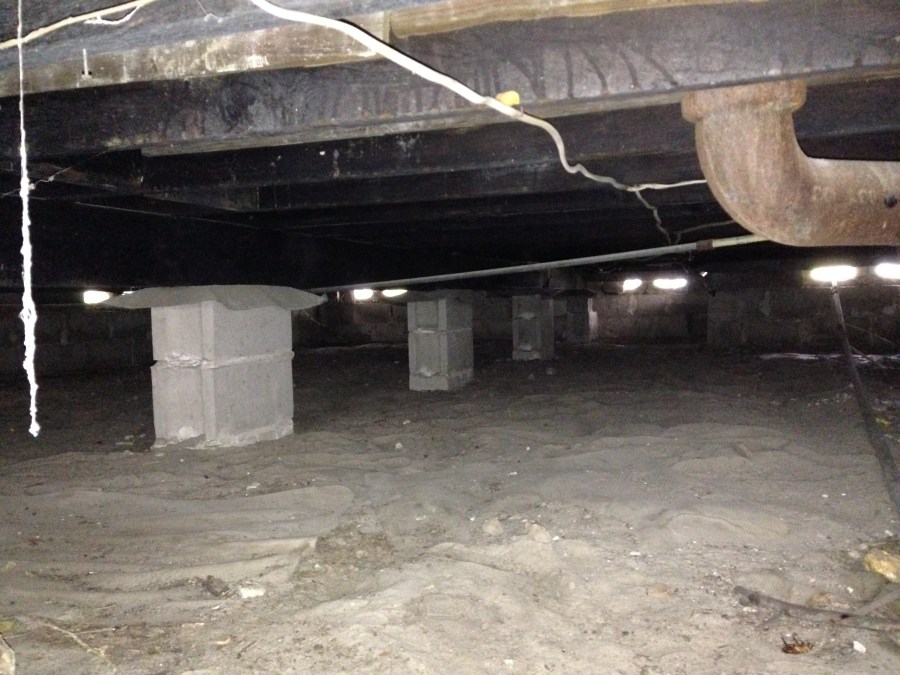
Typical mid-century masonry foundation wall with integrated block vent with wood floor joists and plumbing pipes
Signs of Crawl Space Failure
If your home has a crawl space, it’s important to watch for signs of trouble. One common indicator is soft spots in your floors, which can signal damage to the subfloor or joists. While plumbing leaks can directly weaken the wood, persistent humidity from an improperly vented crawl space can also contribute to deterioration. Over time, moisture rising from the damp ground can cause wood rot, mold growth, and structural instability. Additionally, the damp environment can attract termites, which further compromise the integrity of the wooden structure. Addressing crawl space ventilation and moisture control is crucial to preventing these issues.
Block piers with metal termite guards support wood framing in the center of this crawl space – notice the sunlight coming through vented blocks in the foundation wall beyond
Renovation Options for Existing Crawl Spaces
For homeowners with older properties, improving a vented crawl space can enhance comfort, reduce maintenance needs, and protect the home’s structure. Here are a few approaches to consider:
1. Encapsulation
Encapsulation involves sealing the crawl space with a durable vapor barrier (plastic sheet) that covers the ground, foundation walls, and any exposed surfaces.
- Benefits: Keeps moisture out, improves indoor air quality, and reduces energy loss.
- Considerations: May require additional drainage measures, such as a sump pump, and mechanical ventilation or a dehumidifier to control humidity. Mechanical ventilation may involve adding a vent in the house floor to push air into the crawl space, or in the foundation wall, ensuring proper airflow. Best for crawl spaces with foundation walls.
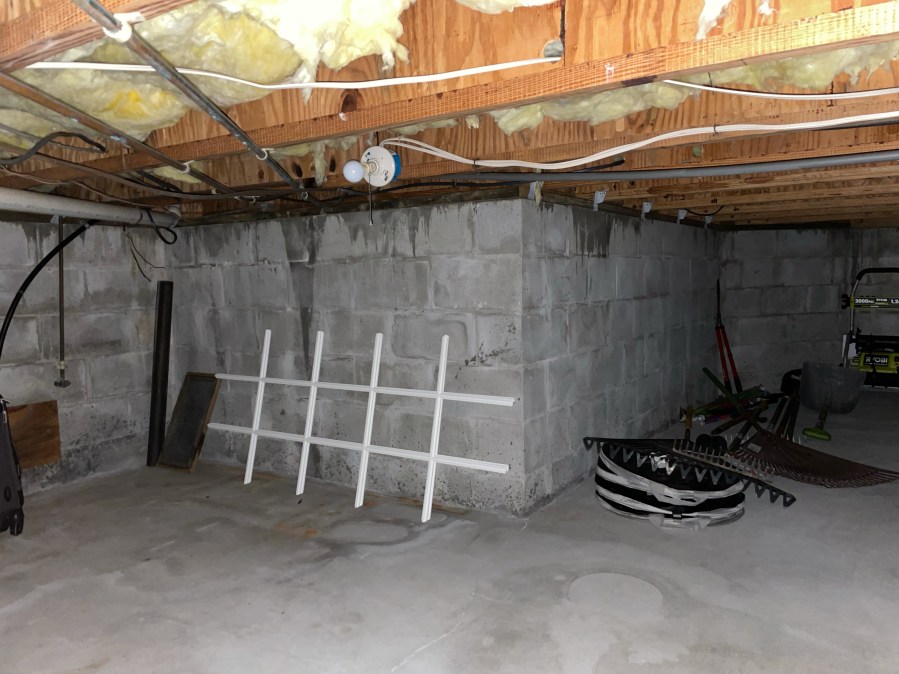
Crawl space with foundation walls with no vents – notice the insulation between the floor joists above, and the concrete floor inside the crawl space itself
2. Insulation Upgrades
Insulating the crawl space can reduce energy costs and improve comfort.
- Options: Install rigid foam insulation along the foundation walls or spray foam insulation in the floor joists.
- Bonus: When paired with encapsulation, insulation can transform the crawl space into a semi-conditioned area.
3. Improved Ventilation
For homeowners who prefer to maintain a vented crawl space, modern vent systems with fans can improve airflow and reduce humidity levels. There still needs to be insulation between the floor joists, which must be sealed off to prevent rodents and insects.
- Passive Vents: These are placed in the foundation walls, especially near corners, to enhance natural airflow.
- Powered Vents: Also placed in the foundation walls, these fans help expel moist air or draw in drier air.
- Structural Repairs: Consider upgrading or repairing the piers while improving the crawl space. Older homes may have unstable piers or lack proper concrete footings, which should be reinforced or rebuilt during renovations.
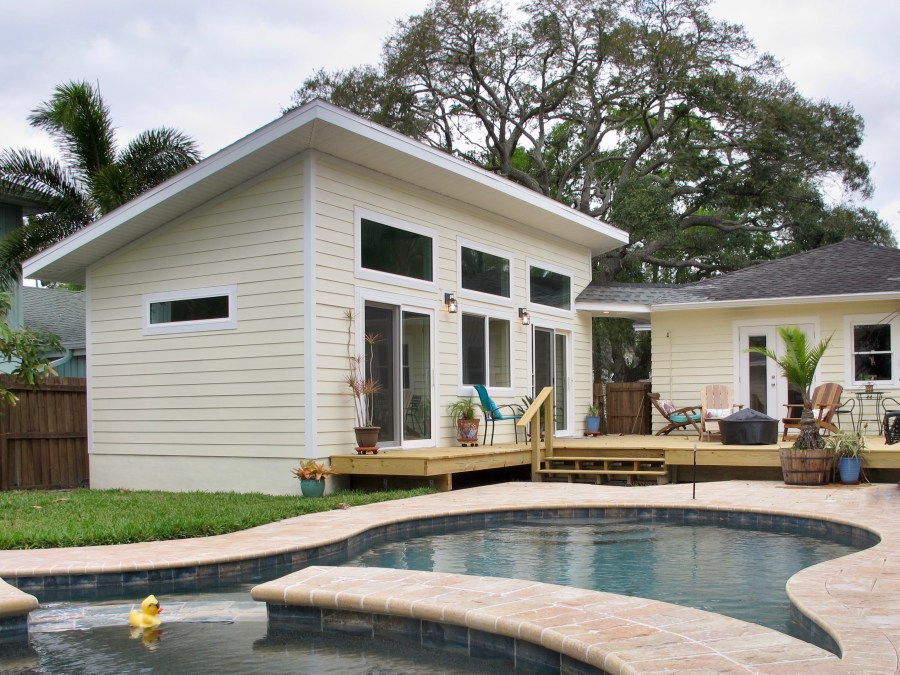
Addition (left) built with no crawl space to the same floor level as the original 1912 house with crawl space (right) Check out the rest of this addition here: Peale Park In-Law Suite Addition
Crawl Space Solutions for New Additions
When designing a new addition, you can choose the best crawl space construction and ventilation method best for your needs. Here are the main options:
1. No Crawl Space – Raised Concrete Slab on Grade
Skip the crawl space altogether. Since Southern homes typically run ductwork through the ceiling, the crawl space is unnecessary. Build a raised foundation wall 16-24 inches above grade, fill the area with dirt, and pour a concrete slab on top.
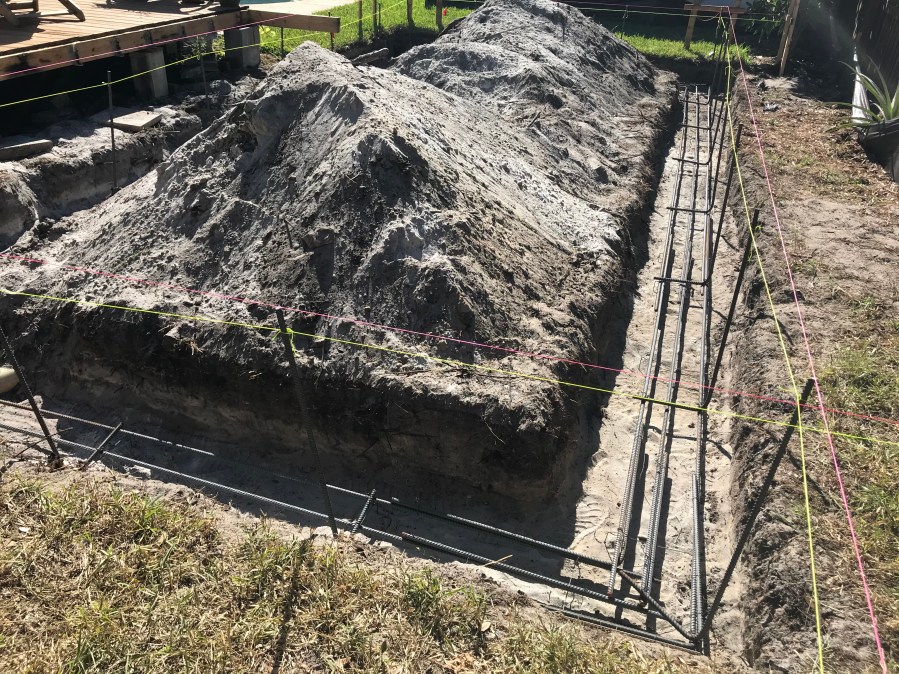
Dirt piled in the center will be used as fill under the concrete slab once the concrete footings and block foundations walls are built – floor will be the same level as the deck
2. Unvented (Sealed) Crawl Spaces
Sealed crawl spaces are the modern standard for energy-efficient and moisture-resistant construction.
- Key Features: Fully enclosed with a vapor barrier, insulated foundation walls, and mechanical ventilation or dehumidification.
- Benefits: Minimizes moisture intrusion, reduces energy loss, and improves indoor air quality.
- Best For: Additions in flood-prone areas or homes with HVAC systems that extend into the crawl space.
3. Vented Crawl Spaces
While less common in modern construction, vented crawl spaces can still be a viable option in certain conditions.
- Key Features: Include strategically placed vents and drainage systems to manage moisture.
- Benefits: Lower upfront costs and easier to integrate with homes that already have vented crawl spaces.
- Best For: Additions where matching the construction style of the original home is a priority, or where maintaining the existing vented crawl space is necessary.
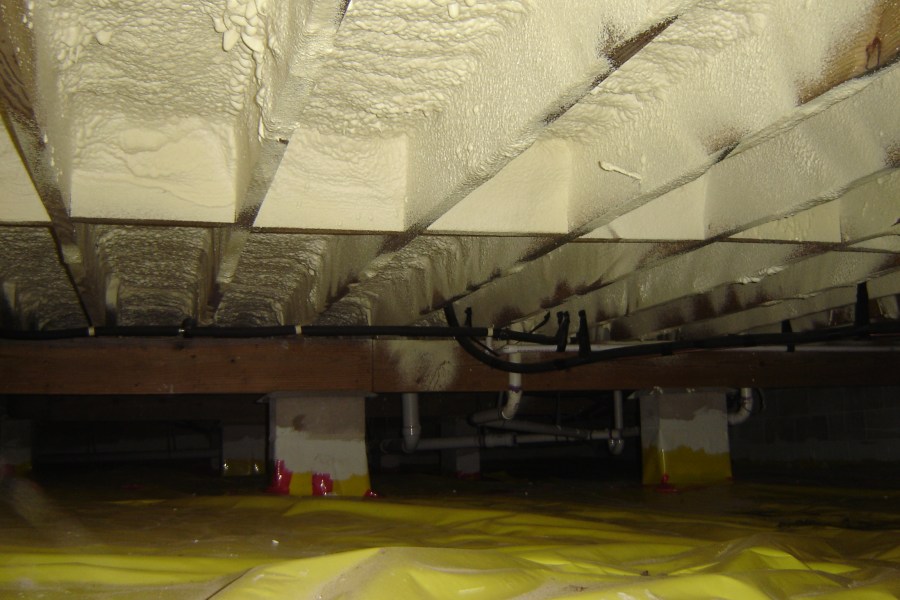
First layer of spray foam to the underside of floorboards (top), with bright yellow vapor barrier on ground below (bottom)
Choosing the Right Approach
When deciding how to renovate an existing crawl space or design one for a new addition, it’s important to consider your home’s specific needs:
- Climate: The South’s humid and flood-prone environment often makes no crawl space or unvented crawl spaces the best choice.
- Historic Integrity: If preserving the character of a historic home is a priority, subtle ventilation upgrades can often balance performance and aesthetics.
- Budget: Encapsulation and insulation offer long-term energy savings but require a higher upfront investment compared to basic ventilation upgrades.
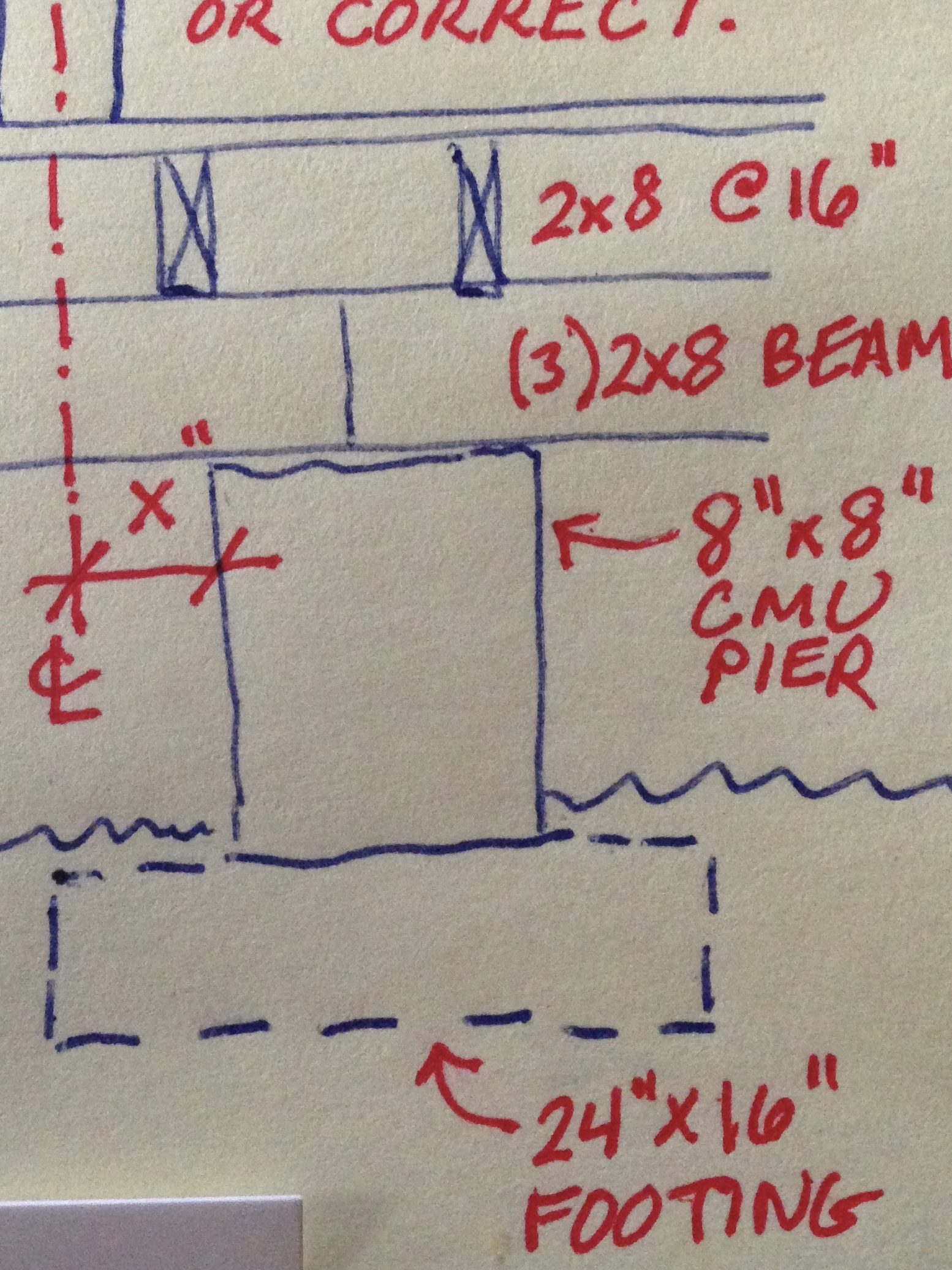
Architectural sketch showing a new block pier and footing, beams and floor joists to replace damaged existing structure in a crawl space
Conclusion
Whether you’re preserving a charming 1920s bungalow or planning a modern addition, crawl space design is a critical factor in your home’s performance and durability. By understanding your options and working with an architect experienced in energy-efficient, resilient design, you can ensure your crawl space meets today’s standards while honoring the past.
Need guidance on how to optimize your crawl space or plan your next addition? Visit ForeverHomeArchitect.com to learn more about creating a home that’s built to last.
 Design Lines