
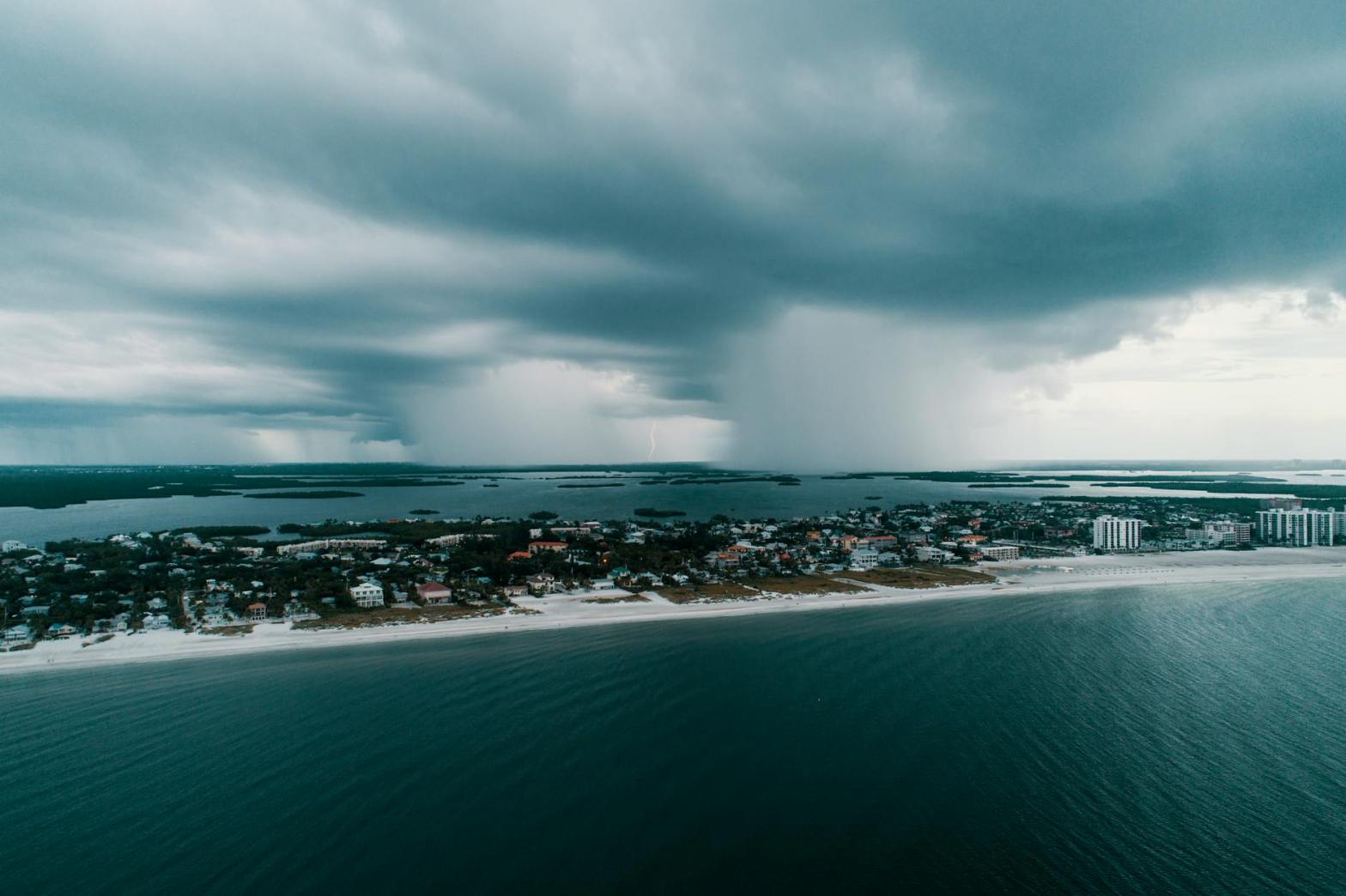
Recovering after a hurricane or flood is an incredibly challenging experience. The emotional toll of seeing your home damaged and the stress of navigating the recovery process can feel overwhelming. However, with the right approach, you can rebuild not just your house but also your sense of safety and stability. By focusing on elevating key utilities, implementing flood-proofing measures, and ensuring that your home is completely dry before making repairs, you can create a stronger, more resilient living space for you and your loved ones.
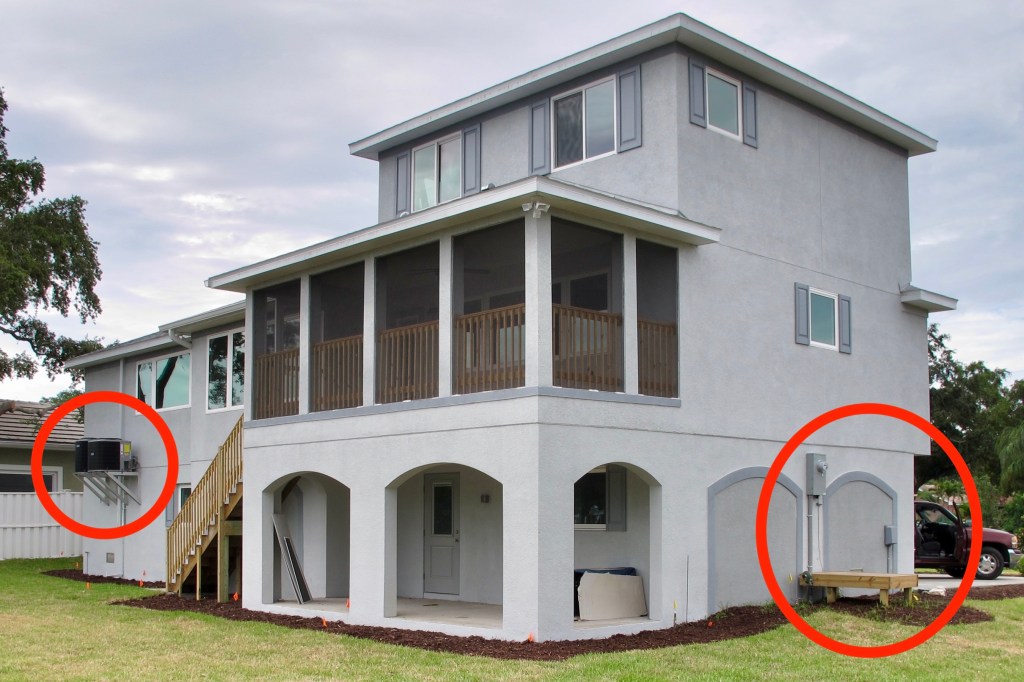
Elevating safety: This home features a raised electrical meter on a utility-approved platform, along with heat pump outdoor units securely mounted on metal platforms to protect against flooding.
Elevating Utilities: Protect What Matters Most
One of the most important steps you can take to protect your home against future floods is elevating your utilities. Not only does this reduce the chances of significant damage, but it also speeds up your recovery after any future storms.
- Electrical Panels and Outlets
Elevating your electrical panel and raising outlets in areas vulnerable to flooding, like garages and ground floors, helps prevent costly electrical repairs. Placing outlets higher on the wall can protect your wiring and keep your home’s electrical system safe after flooding. - HVAC Systems and Water Heaters
Consider elevating your HVAC system and water heater by installing them on platforms or moving them to higher levels in the home. This ensures these critical systems remain functional and safe from floodwaters. - Pool Pumps
Your pool pump is another key system that can be costly to replace if damaged. By elevating it, or simply removing the pump portion before a storm and storing it indoors, you can avoid significant repair costs and keep your pool equipment in good working order. - Appliances
Don’t forget to raise other essential appliances, like washers, dryers, and refrigerators, especially if they’re in low-lying areas. Elevating them on platforms can prevent flood damage and save you from replacing costly items.
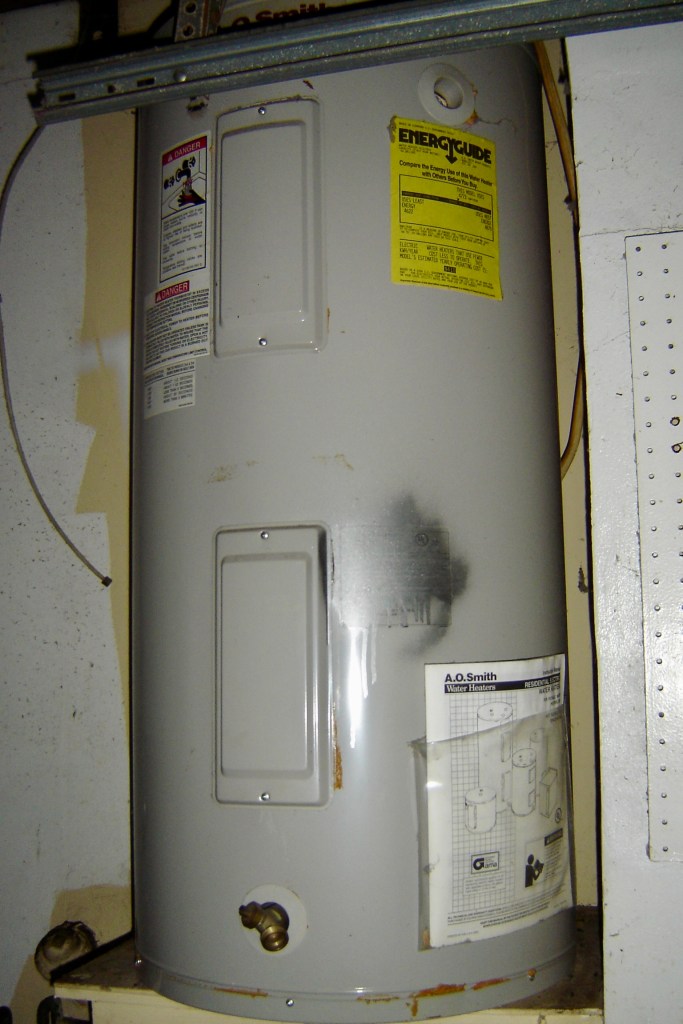
Smart elevation: This water heater is safely raised on a sturdy wood and plywood platform, protecting it from potential floodwaters and ensuring continued functionality during storm events.
Wet Flood-Proofing: A Practical Approach for Non-Living Spaces
In flood-prone areas, wet flood-proofing is a great option for spaces like garages and crawl spaces. This strategy allows water to flow in and out of these areas, reducing pressure on the foundation and preventing structural damage.
To make the recovery process easier, use flood-resistant materials like concrete, ceramic tile, or terrazzo in these areas. These materials can withstand water exposure, are easy to clean, and won’t deteriorate if they get wet.
Testing Moisture: Drying Out Before Rebuilding
After the floodwaters recede, it’s critical to ensure your home is completely dry before moving forward with repairs. One of the most important areas to check is the wood framing behind your walls.
What’s a Safe Moisture Level?
Before installing new drywall or finishes, the moisture content in the wood should be 12% or lower. Levels up to 16% might be acceptable, but it’s safer to aim for a lower moisture level to avoid future problems like mold or rot.
Who Can Test for Moisture?
Moisture testing should be done by professionals like contractors, restoration specialists, or home inspectors. They use devices called moisture meters to check if the wood is dry enough to start rebuilding:
- Pin-type moisture meters insert small pins into the wood to measure electrical resistance, which gives an accurate reading of moisture deep inside the studs.
- Pinless moisture meters scan the wood surface using electromagnetic waves, offering faster results but potentially less accuracy for moisture deep within the walls.
Multiple tests throughout the drying process will ensure your home is truly ready for repairs, reducing the risk of future issues.
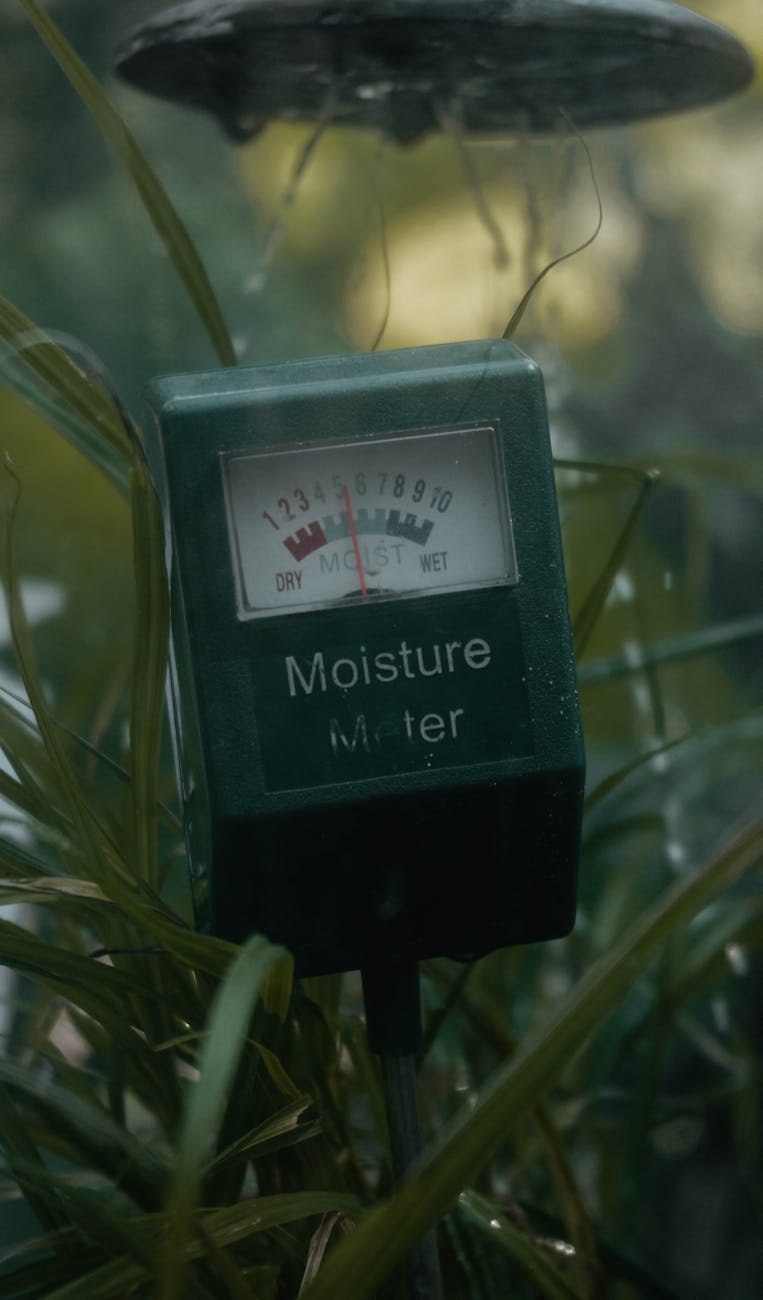
The moisture content in the wood should be 12% or lower.
Permits: Don’t Forget This Important Step
While many areas allow demolition work to proceed without a permit in the immediate aftermath of a hurricane, most places will require you to obtain a permit for rebuilding. This applies to any work involving elevating utilities, structural repairs, or significant changes to your home. Securing the right permits ensures that the work meets current building codes and keeps your home safe and up to standard.
Building Back Stronger
Rebuilding after a hurricane isn’t just about repairing what was damaged—it’s about making your home more resilient for the future. By elevating your utilities, using wet flood-proofing in non-living spaces, and testing for moisture before repairs, you can protect your home from future floods and reduce the cost of recovery.
I understand how stressful and emotional this recovery journey can be. Several of my past clients have been dealing with flooded homes since Hurricanes Helene and Milton. If you have questions or need guidance on flood-proofing strategies, moisture testing, or navigating the permitting process, I’m here to help. Feel free to reach out for assistance or more information—together, we can take the steps needed to make your home a safer haven for you and your family.
 Design Lines