
Rebuilding After Floods: A Smarter Way to Protect Your Home
You’ve been through it before. After evacuating to escape a major storm, you return home to find floodwaters have invaded once again. The familiar smell of damp drywall, waterlogged furniture, and destroyed personal belongings hits you. It’s devastating—not just the loss of material things, but the emotional toll of seeing your home turned upside down.
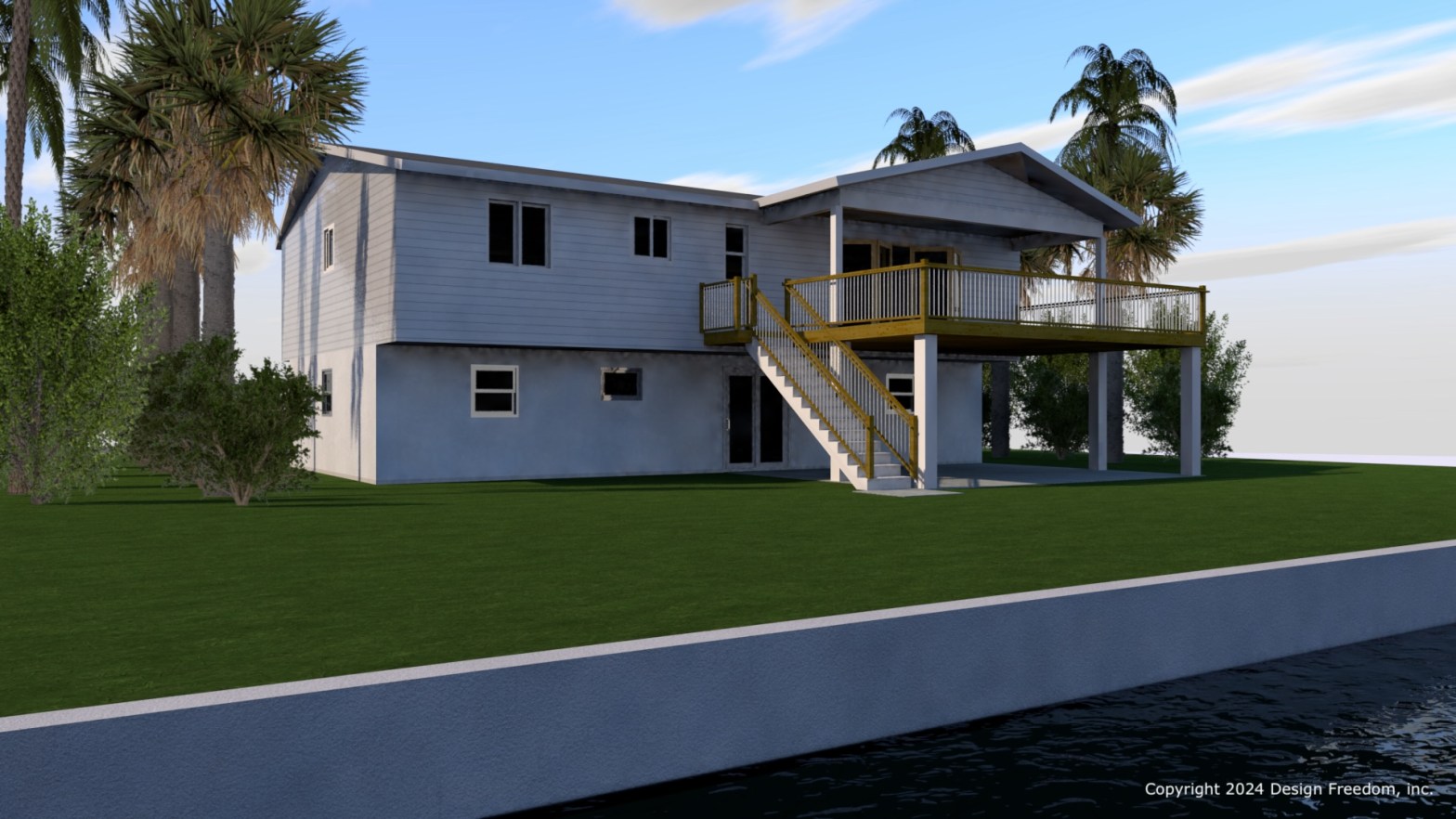
You clean up. You throw out ruined items and start the grueling process of tearing out drywall and flooring, disinfecting, and rebuilding. But this time, as you reflect on how often your home is impacted, you come to a decision: never again. Instead of repeatedly rebuilding your ground floor, you decide to put an end to the cycle by moving your living space upstairs and using the flood-prone ground floor for parking and storage.
The Solution: Building Up, Not Out
When you’ve experienced multiple floods, rebuilding the same way every time no longer feels sustainable. The cost and emotional toll add up, and you start to question whether there’s a better path forward. By creating a new living space on the second floor, you avoid future flood damage to your main areas, and repurposing the ground floor for storage and parking makes it easier to handle the occasional water intrusion.

How It Works
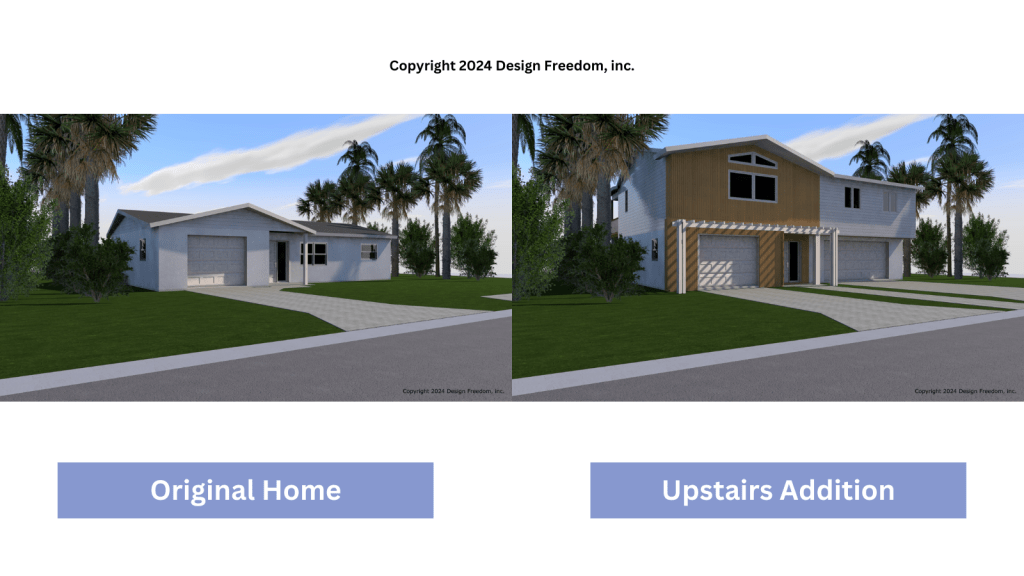
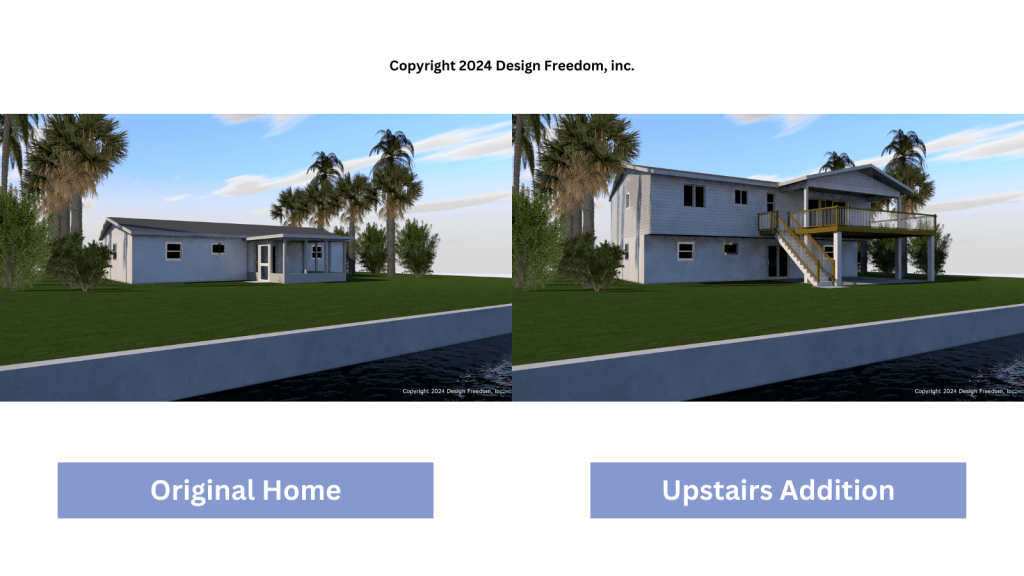
- Building a Second Story: Instead of tearing down your home or starting from scratch, you build upwards. Your new second floor becomes your main living area, keeping bedrooms, bathrooms, and living spaces above potential flood levels. The ground floor remains, but it is no longer central to your day-to-day life.
- Repurposing the Ground Floor: With your main living area moved upstairs, the ground floor can be transformed into a flood-resilient space. It’s perfect for parking, storage, or recreational areas. In many homes in Florida, the ground level already consists of concrete or terrazzo slabs, concrete block walls, and possibly tile flooring—materials that can withstand periodic flooding. This makes the space easier to clean and restore if the waters rise again.
The Benefits of Building Up
Flood Protection: With your living areas elevated, the next time floodwaters come, they won’t disrupt your home life. The ground floor might take on water, but the spaces you live in every day will remain dry and functional.
Lower Insurance Costs: By reducing your home’s vulnerability to flooding, you may also reduce your flood insurance premiums. Building your living areas above the flood risk can lead to substantial savings over time.
Less Stress, More Peace of Mind: Perhaps the greatest benefit is the emotional relief of knowing your home is prepared for future floods. You no longer have to worry about evacuating, coming back to water damage, and starting the repair process over and over again.
Added Value: Homes that are built or renovated with flood-resilience in mind are more appealing to buyers. If you ever decide to sell, your home’s design will stand out in a flood-prone market, offering future owners peace of mind as well.
Enhanced Living Space: A second-story addition gives you the opportunity to improve your home’s layout. You can take advantage of better views, include decks for outdoor living, and even gain more square footage than the original house. It’s a chance to create a more functional and enjoyable living environment.
Planning for Success
If you’re considering this approach, it’s essential to work with an experienced architect who understands the challenges of building in flood-prone areas. A few key points to consider:
- Foundation Strength: Your home’s foundation will need to be assessed to ensure it can support the additional weight of a second story. Some homes may require reinforcing or retrofitting.
- Flood-Resistant Design: Most homes in Florida are already built with resilient materials like concrete block walls, terrazzo or concrete slabs, and often tile flooring. These materials are well-suited for a ground floor designed for parking or storage, as they are easy to clean and resistant to long-term water damage.
The Emotional Benefit: Peace of Mind
For homeowners who have lived through the trauma of multiple floods, one of the greatest benefits of building a second-story addition is the emotional peace of mind it offers. Instead of living in constant fear of the next storm, you know that your family and home are prepared. The ground floor might take on water, but your essential living spaces remain untouched, dry, and safe.
When you’ve been through flood recovery more than once, you know it’s about more than just the physical labor of rebuilding—it’s about rebuilding your sense of security. By making the decision to elevate your living areas and redesign the ground floor for flood resilience, you’re taking back control over your home and your future.
Moving Forward with Confidence
Flooding doesn’t have to be an ongoing burden. By designing your home to move essential spaces to the second floor and converting your ground floor into a more resilient area, you can break the cycle of flood damage and rebuild in a smarter way. Instead of fearing the next storm, you’ll have peace of mind, knowing your home is built to withstand whatever nature brings.
It’s not just about protecting your property—it’s about protecting your quality of life. With the right design, your home can stay strong and resilient for years to come.
If you’re considering ways to protect your home from future floods and create a more resilient space, let’s talk. I’d love to help you design a home that not only safeguards your peace of mind but also fits the realities of living in a flood-prone area. Visit our website to download our FEMA Primer for Homeowners and schedule a phone call with an Architect! www.ForeverHomeArchitect.com
 Design Lines