
Florida is a dream destination for many homebuyers, with its warm weather, beautiful beaches, and a lifestyle that promises year-round outdoor enjoyment. However, as an architect who has spent years working in this unique environment, I can tell you that Florida living comes with its own set of challenges and opportunities. Whether you’re relocating to the Sunshine State or looking to move within, here’s my expert guide on what to consider when searching for the perfect home.
1. Consider Florida’s Climate and Weather Risks
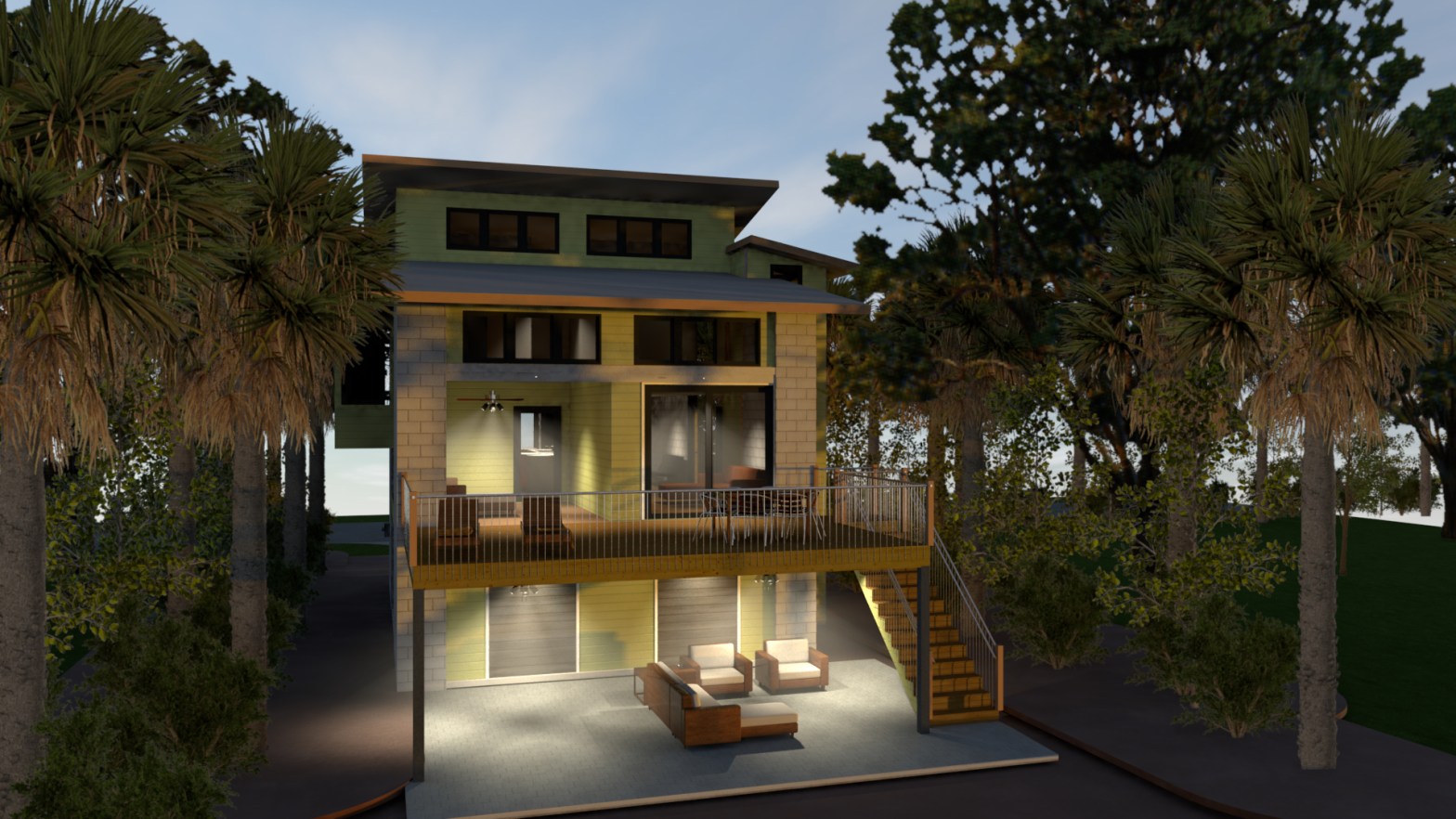
Florida’s tropical and subtropical climates mean hot summers, humid air, and the occasional hurricane. When looking for a home, it’s essential to assess its resilience to these elements. Look for homes with durable roofing systems (metal or tile roofs tend to hold up better against hurricanes), impact-resistant windows, and hurricane shutters. It’s also wise to look at the property’s elevation and proximity to flood zones—many parts of Florida are prone to flooding, so consider homes that are elevated or built with flood resilience in mind.
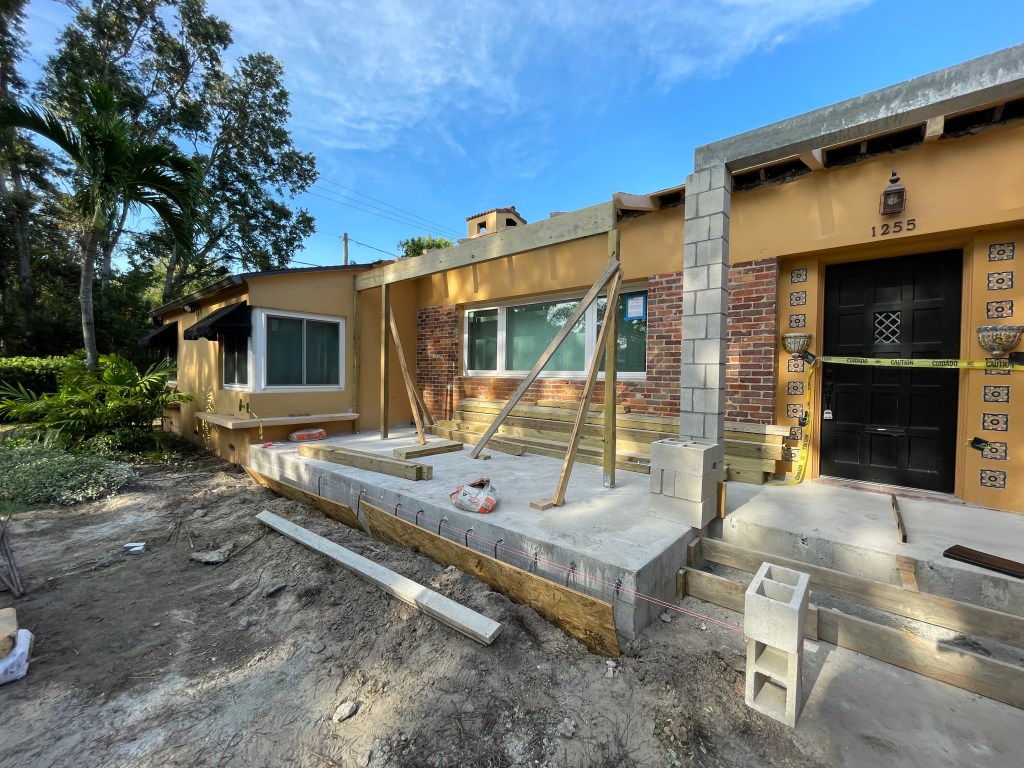
As someone who has focused on resilient building for years, I highly recommend concrete block homes over wood frame construction. Concrete block offers superior strength and durability, making it a better choice for Florida’s climate.
Pro Tip: Check if the home is built to meet modern building codes that address hurricane and flood risks. In many cases, newer homes or those recently renovated will be more likely to have these safety features. All homes permitted since March 15, 2002, have been built or remodeled to the state-wide Florida Building Code.
2. Energy Efficiency Matters
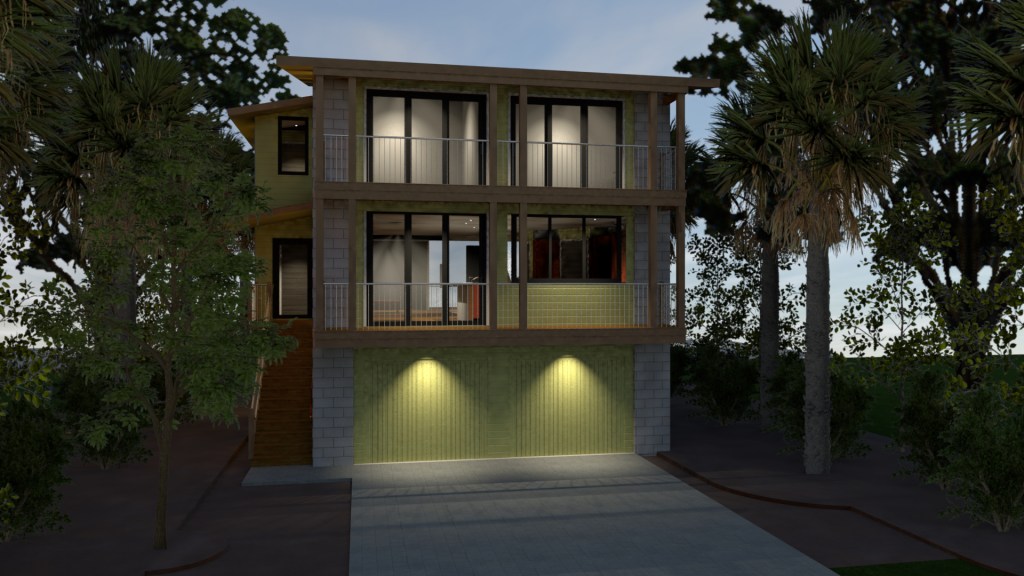
Keeping cool in Florida’s heat can be expensive, so energy efficiency should be a priority when shopping for a home. Seek homes with high-quality insulation, energy-efficient windows, and Energy Star-rated appliances. Consider homes that are designed with passive cooling features, such as shaded windows, deep overhangs, or a north-south orientation that minimizes direct sunlight.
No matter the home’s construction type, adding insulation is crucial for boosting thermal efficiency and comfort. Even small improvements like weatherstripping can make a significant difference in energy performance. If the house you’re considering struggles to stay cool or experiences high indoor humidity, think about installing insulation or weatherstripping before opting for a larger air conditioning system.
3. Pay Attention to Site Conditions
Florida’s natural environment is one of its greatest assets, but it can also impact home design and functionality. Many homes are built on or near wetlands, coastal areas, or along natural springs and rivers. Each environment comes with its own considerations.
For example, homes along rivers and springs often need to balance flood risks with the desire to preserve the natural landscape. In these areas, look for homes that minimize environmental impact while still providing flood protection. Consider homes with permeable paving, native landscaping, or elevated foundations to manage stormwater and prevent flooding.
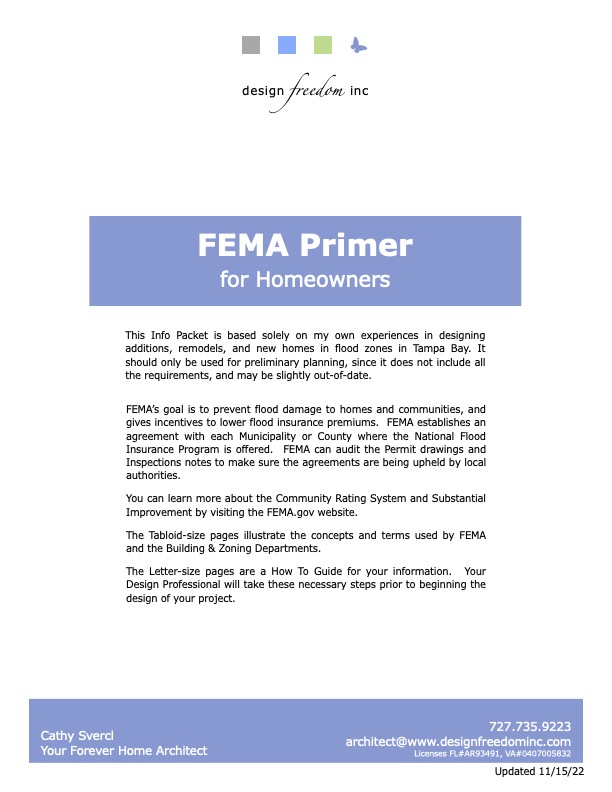
Planning to remodel a home in a flood zone? Be sure you’re informed before you start. Visit our website to download our FEMA Primer for Homeowners and get all the details on the FEMA 50% Rule (Substantial Improvement/ Damage). This pamphlet covers key regulations, important facts, and potential options to ensure your remodel stays compliant and cost-effective. Don’t miss out on the vital information you need!
4. Evaluate the Home’s Resilience to Pests
Florida’s warm climate is also ideal for pests like termites, mold, and mildew. When touring homes, keep an eye out for signs of pest damage, especially in wooden structures. I recommend looking for homes that use termite-resistant materials like concrete block or metal framing, which are more durable and less prone to pest issues.
Mold and mildew are also concerns due to Florida’s high humidity. Homes with proper ventilation, moisture barriers, and good drainage systems are less likely to have these problems. Consider adding bath and kitchen exhaust fans, especially if the house doesn’t have them, or if they only vent into the attic. Consider adding gutters and downspouts to a home, especially over entrances and patios. Look for wet areas near the house that are still soggy on sunny days that may need attention.
5. Neighborhood and Lifestyle Considerations
While the physical home is crucial, don’t overlook the importance of the neighborhood. Florida offers a wide range of living environments, from bustling cities like Miami and Orlando to more laid-back coastal towns and rural areas. Think about what kind of lifestyle you’re looking for.
- Proximity to Work and Amenities: Consider how far you are from work, schools, shopping, and medical services.
- Outdoor Lifestyle: If you love outdoor activities, look for homes near parks, golf courses, or water bodies where you can boat, swim, or kayak.
- Community and Security: Consider whether you prefer a gated community or a more traditional neighborhood. Gated communities often offer added security and amenities like clubhouses and pools, but they may come with homeowner association (HOA) fees.
6. Look for Homes That Are Easier to Remodel or Expand
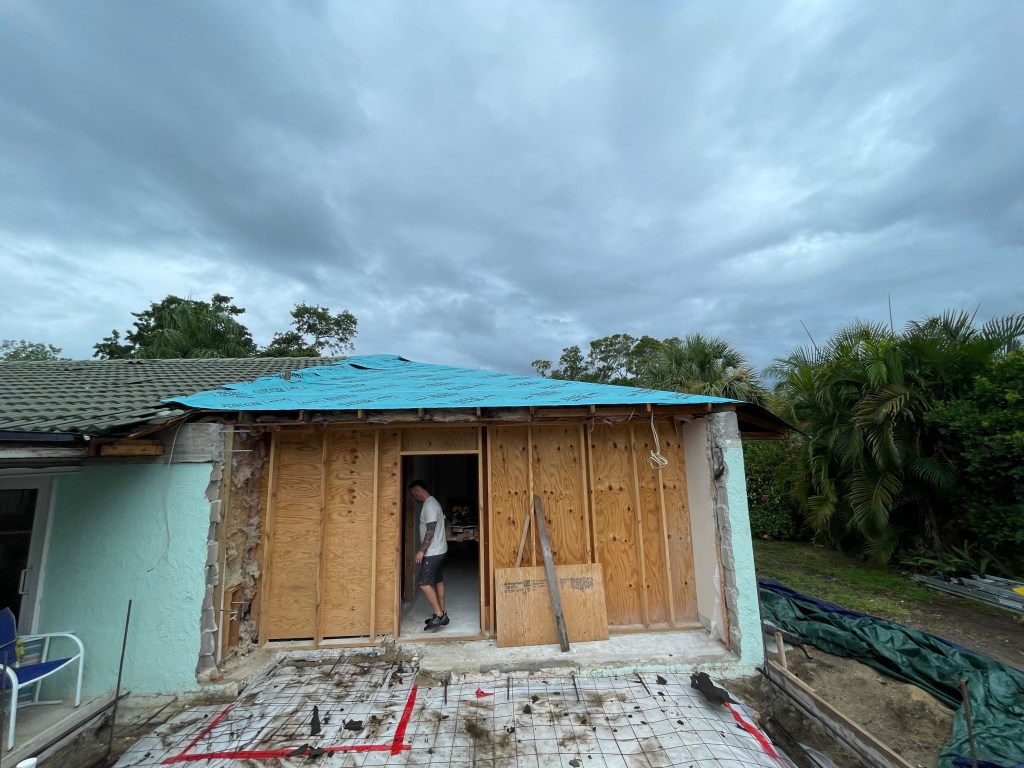
As life changes, so do our housing needs. A home that is easy to remodel or expand offers flexibility and can save you significant time and money in the long run. Here are some things to look for if you plan to renovate or add on in the future:
- Open Floor Plans: Homes with fewer load-bearing walls and more open spaces are much easier to reconfigure. Whether you want to add a room or redesign the flow, open layouts provide a blank canvas for creative updates.
- Single-Level Homes: In Florida, many homes are single-story, which makes expansions easier. Adding a room or expanding a living area horizontally is generally less costly than building upward.
- Solid Foundation: Make sure the home has a strong foundation that can support additions. A home on a slab foundation may be easier to expand than one on stilts or piers, which are more common in flood-prone areas. Verify with a professional that the foundation is in good shape and that it can handle future expansions.
- Room to Grow: Check the lot size. Does the property have room to expand? If you’re considering adding a pool, a guest house, or an extra garage, ensure the zoning and setback regulations of the lot allow for such modifications.
- Pre-existing Infrastructure: Look for homes that already have up-to-date wiring, plumbing, and HVAC systems. These “behind-the-scenes” elements can significantly increase renovation costs if they need upgrading. Homes with modern systems are more renovation-friendly, allowing you to focus your budget on the cosmetic and functional aspects of the remodel.
- Potential for an Accessory Dwelling Unit (ADU): If you’re interested in adding a mother-in-law suite or a rental unit, check whether the zoning in the neighborhood allows for ADUs. Many homes in Florida have the potential for these types of additions, especially if you have extra yard space.
- Simplicity in Rooflines: Homes with simpler rooflines are easier and more affordable to extend. Adding onto a home with complex rooflines (such as many gables or dormers) can be costly because of the added labor and material involved in matching the design.
7. Future-Proofing for Sustainability
Florida’s natural beauty is one of the reasons so many people love to live here, and as a result, there’s an increasing focus on sustainability. If you care about your carbon footprint, consider homes that use renewable energy sources like solar panels or are designed with sustainability in mind. Homes with low-water landscaping or rainwater collection systems can help reduce water usage—important in a state where water conservation is critical.
Explore the Florida-Friendly Landscaping website for inspiration and a comprehensive plant guide featuring native and drought-tolerant species: https://ffl.ifas.ufl.edu/
If you’re considering building or extensively renovating, incorporating sustainable materials and technologies will not only make your home more energy-efficient but can also increase its long-term value.
8. Think Long-Term About Maintenance
Florida homes require a different maintenance approach than those in other parts of the country. The combination of salty air (especially near the coast), high humidity, and hurricane risks means you’ll need to invest in regular upkeep. Metal fixtures, outdoor wood structures, and even concrete can wear down faster in Florida’s climate.
When you’re evaluating a home, consider how easy or difficult it will be to maintain. Newer homes or those recently renovated may have upgraded materials designed to resist corrosion and weathering, saving you money on repairs down the line.
In Florida, concrete block homes are commonly finished with stucco, allowing for a variety of color options. Wood-frame homes, on the other hand, are often finished with siding, with fiber cement being an excellent choice for its durability and low maintenance. Additionally, a concrete patio typically outlasts a wood deck, making it a more resilient option for outdoor spaces.
Final Thoughts
Finding the perfect home in Florida is about more than just finding a space that meets your needs. It’s about ensuring your home is resilient to the state’s unique climate, energy-efficient to combat high utility bills, and a place where you can enjoy Florida’s natural beauty and lifestyle. It’s also about having the flexibility to modify and expand your home as your lifestyle evolves.
As an architect, my goal is to help clients find or design homes that blend both form and function, maximizing comfort while minimizing environmental impact. If you’re looking for guidance on finding or creating a home in Florida that suits your lifestyle, I’m here to help guide you through the process.
Feel free to reach out if you’d like to talk about your next home project in the Sunshine State!
 Design Lines