
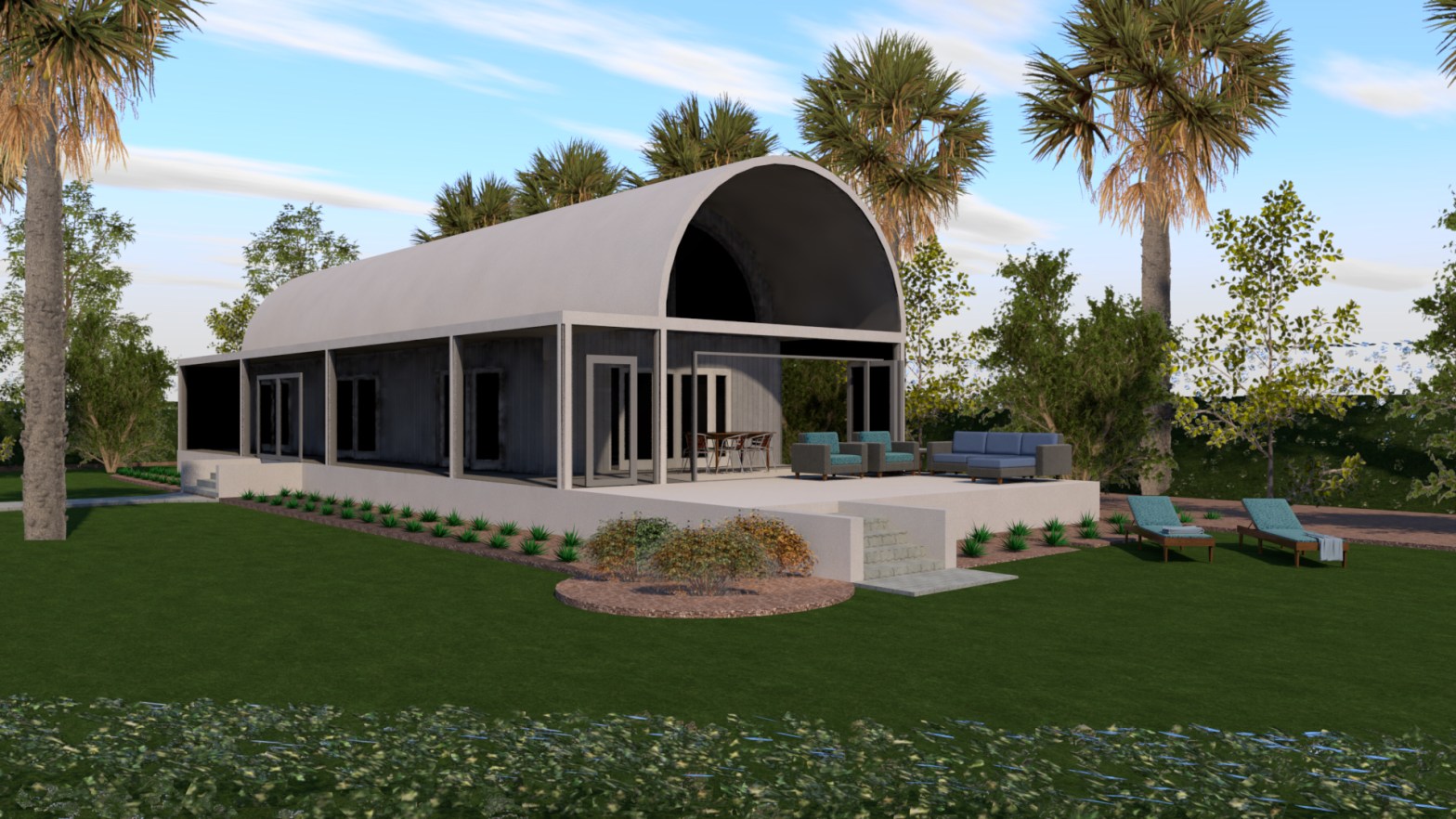
As an architect, my journey has always been driven by a deep passion for energy efficiency and resilient design. Living in Florida for the past 20 years has only heightened my focus on creating buildings that can withstand the harsh realities of our climate, particularly hurricanes and floods. This led me to explore a fascinating and promising technology: Structural Concrete Insulated Panels, or SCIPs.
What Are SCIPs?
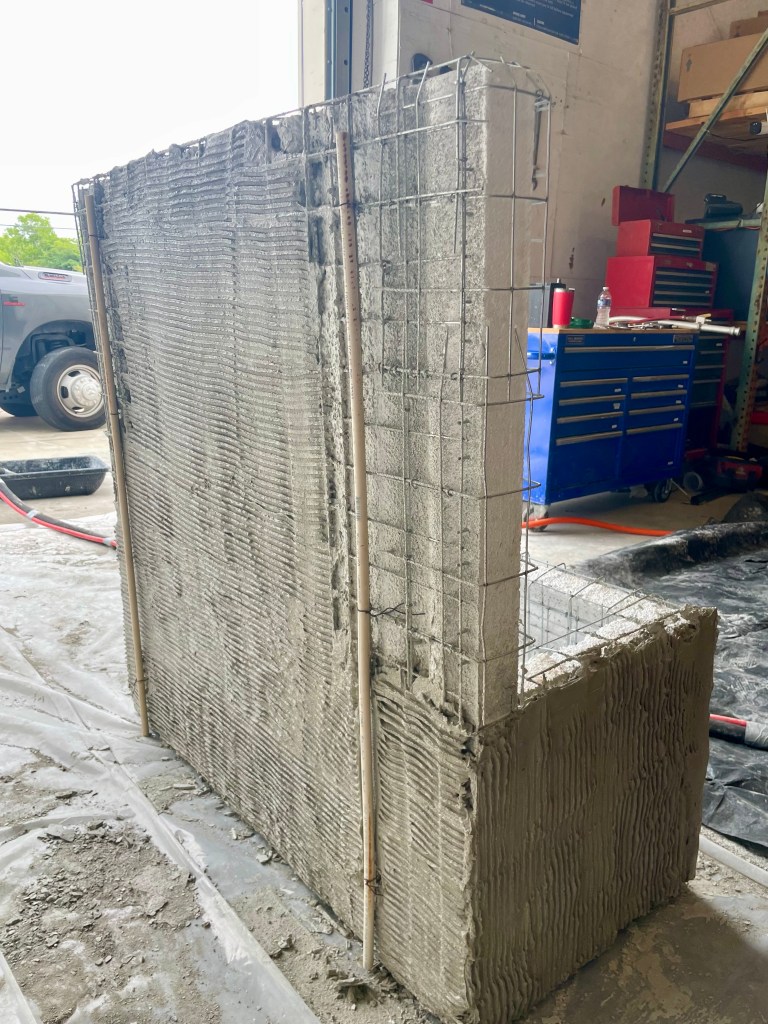
In a previous blog, I briefly touched on SCIPs, but I want to dive deeper into what makes them so compelling. Essentially, SCIPs are panels composed of concrete (closer to shotcrete), with insulation sandwiched inside. These panels can be used for walls, floors, and roofs, offering a unique combination of strength, durability, and thermal efficiency.
Did you know that in places like Bermuda and Puerto Rico, building codes often require homes to be constructed from concrete or block, rather than wood? The reason is simple: concrete is an incredibly resilient material. It’s resistant to termites, won’t decay when exposed to rain, and can endure the forces of hurricane winds, flying debris, earthquakes, and even flooding. Moreover, concrete’s versatility allows for a variety of architectural shapes, from smooth, flat surfaces to arches and curved walls.
The Cost and Construction Process
One of the main considerations when choosing a building material is cost. Concrete can be more expensive than block construction. While concrete requires temporary formwork to hold the material as it hardens, CMU block construction is more straightforward, with blocks simply stacked on top of each other. However, SCIPs offer a solution that balances cost and efficiency.
SCIPs come as pre-made panels, complete with insulation and a steel webbing on the exterior. These panels are installed side by side and connected together, with openings for windows and doors easily cut out. The construction process involves spraying a modified concrete, similar to what’s used for inground pools, onto the panels. The exterior can then be finished with stucco, while the interior requires only a thin plaster coat, eliminating the need for drywall.
By installing the walls and roof together using SCIPs, you can achieve long-term cost savings compared to traditional construction. The continuous insulation creates a better building envelope, reducing the need for heating and air conditioning. However, the real advantage is the potential savings on home insurance premiums. With a solid concrete roof deck, the risk of the roof failing during a hurricane is drastically reduced. This means you’re far less likely to experience the kind of damage that lets wind and rain into the rest of the house, which can lead to even bigger problems.
My Experience with SCIPs
Last week, I had the opportunity to attend a workshop and demonstration by one of the leading SCIP manufacturers. Seeing the material up close and understanding its potential firsthand was an inspiring experience. I’m excited to incorporate SCIPs into my designs and bring their benefits to my clients.
SCIPs are particularly well-suited for creating architectural features that are challenging and expensive with traditional materials. For example, arched ceilings and roofs, which are often difficult and costly to achieve with wood or concrete blocks, are easily constructed with SCIPs. Curved walls, another design element that adds character and elegance, are also straightforward with this material. Additionally, I envision integrating concrete sunshades or awnings above windows and doors, enhancing both the aesthetic appeal and energy efficiency of the building. Flat roofs, often underutilized, can be transformed into terraces, with shaded areas created by graceful arches.
Looking Ahead
I’m eager to design homes and buildings that utilize SCIPs, combining resilience with energy efficiency and architectural beauty. Whether you’re considering building a new home, ADU, or exploring options for multifamily properties, SCIPs offer a durable and versatile solution that meets the demands of Florida’s challenging environment.
If you’re interested in learning more about SCIPs or discussing how they might fit into your next project, feel free to reach out. I’d love to share ideas and explore how we can create a space that’s not only beautiful and functional but also built to last.
 Design Lines