

I recently attended the Southeast Building Conference in Orlando and had the chance to explore some exciting new materials and products. I also got to engage with both familiar and new manufacturers. Here are a few innovative items I’m excited to share with you:
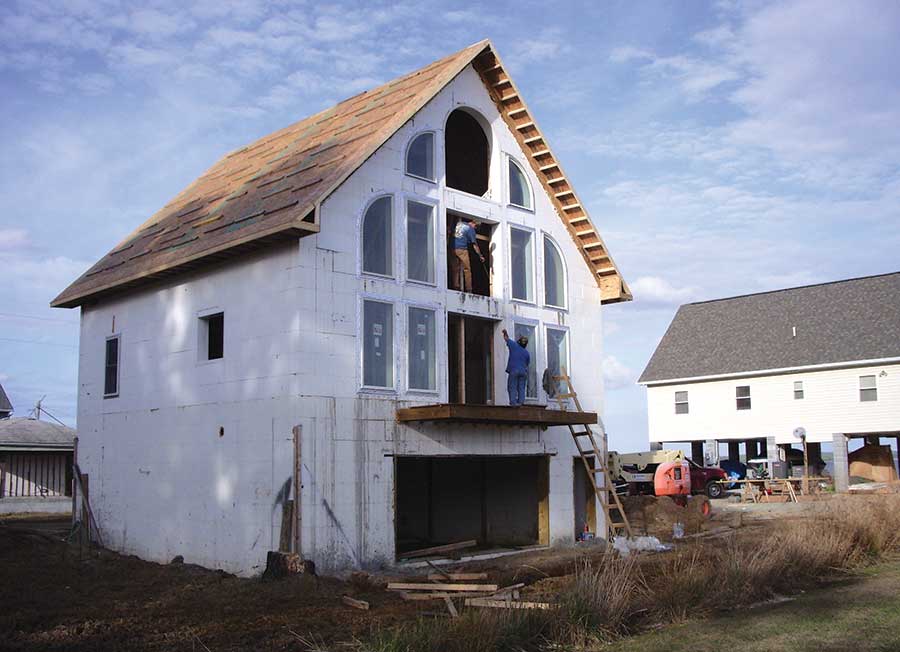
Caption & Photo from the article “SIPs & ICFs” in ICF Builder Magazine, Apr 23, 2008.
SIP, ICF, and SCIP Building Systems
In the Tampa Bay area, homes are typically built with wood, concrete block, or a combination of both. However, there are other fantastic options out there, including SIP, ICF, and SCIP systems. These materials not only offer excellent energy efficiency but are also designed to withstand floods and hurricanes. Best of all, the savings and expenses make them similar in cost to conventional construction. Here’s a closer look at each:
- SIP (Structural Insulated Panel): SIPs consist of a hard foam insulation core sandwiched between plywood (used Up North) or aluminum (typical in Florida). These pre-cut panels are assembled atop your concrete foundation, and can be used for floors and roofs, too. A SIP roof panel is notably thinner than traditional wood trusses with batt insulation. The panels are connected with metal straps for hurricane resistance, and some panels even include aluminum beams for added strength. SIP homes with aluminum finishes can have exposed panels inside and out, or you can add drywall and any type of exterior siding or stucco. The best part? Construction with SIPs is typically faster than with conventional materials.
- ICF (Insulated Concrete Forms): ICFs are like giant LEGO® blocks made of hard foam insulation filled with concrete to form solid walls. These blocks are perfect for walls and columns in elevated homes. The thick walls not only insulate against wind and noise but also offer great protection from flying debris. Inside, you can attach drywall, while the exterior can be finished with any siding or stucco. Roofs can be made with either wood trusses or SIPs.
- SCIP (Structural Concrete Insulated Panel): SCIPs feature hard foam insulation panels reinforced with metal rods. These panels are erected on the foundation and sprayed with a type of shotcrete, similar to constructing an inground pool. The concrete surface can be painted or finished with stucco, and the interior can be finished with plaster or drywall. SCIPs are used for walls, elevated floors and roofs, creating a fully integrated system.
Water Heaters
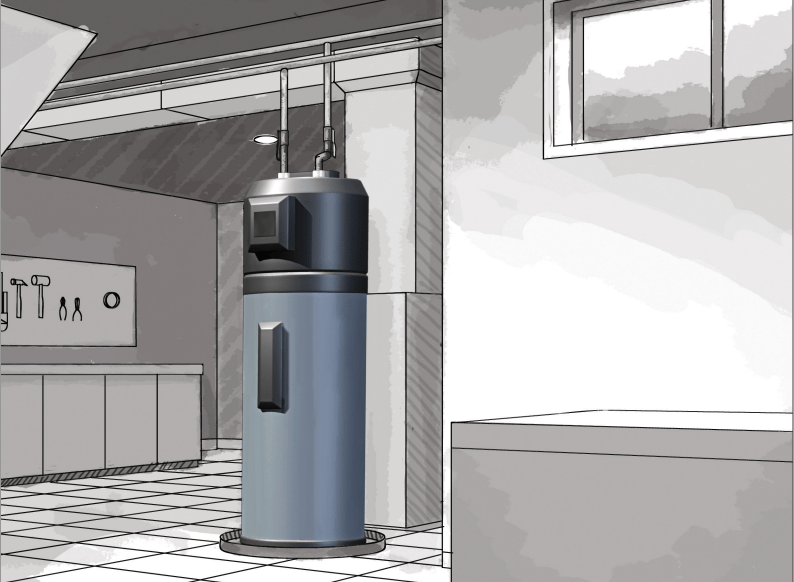
While traditional cylindrical water heaters are becoming more energy-efficient, many homeowners are opting for tankless water heaters during remodels. These compact units heat water on demand, eliminating the wait for hot water. Another great option is the hybrid heat pump water heater, which looks like a taller form of the conventional water heater. It uses evaporator coils to heat and store water efficiently, similar to how a refrigerator works, except the heat goes in the opposite direction. Which means they can actually help air condition your home, too.
Termite Treatment
Traditional termite treatments involve spraying the ground under a new house or addition and using bait stations. Even concrete block homes need termite treatment due to the wood in interior walls, roofs, cabinetry, and furniture. For a non-toxic option, I recommend Bora-Care, which is applied directly to wood and foundation materials during construction. Made from borate, a mineral salt, it’s safe for humans and found in some laundry soaps and cleaning products.

Ductless or Mini-Split Systems
Ductless or Mini-Split systems are excellent for large additions, allowing you to avoid replacing your existing heating and air conditioning (HVAC) system. They can also serve as an alternative to central systems, offering the flexibility to set different temperatures for various zones. The outdoor units resemble small heat pumps, while indoor units can be wall-mounted or installed in the ceiling.
Hurricane Connectors
For every project, I specify hurricane connectors to secure roofs against high winds. My go-to is Simpson Strong-Tie due to their comprehensive catalogs, illustrated guides, and excellent customer service. They have also developed new specialty screws that can replace traditional straps, making installation faster and more cost-effective.
I’m excited about the possibilities these innovations bring and look forward to discussing how we can incorporate them into your home projects!
 Design Lines