
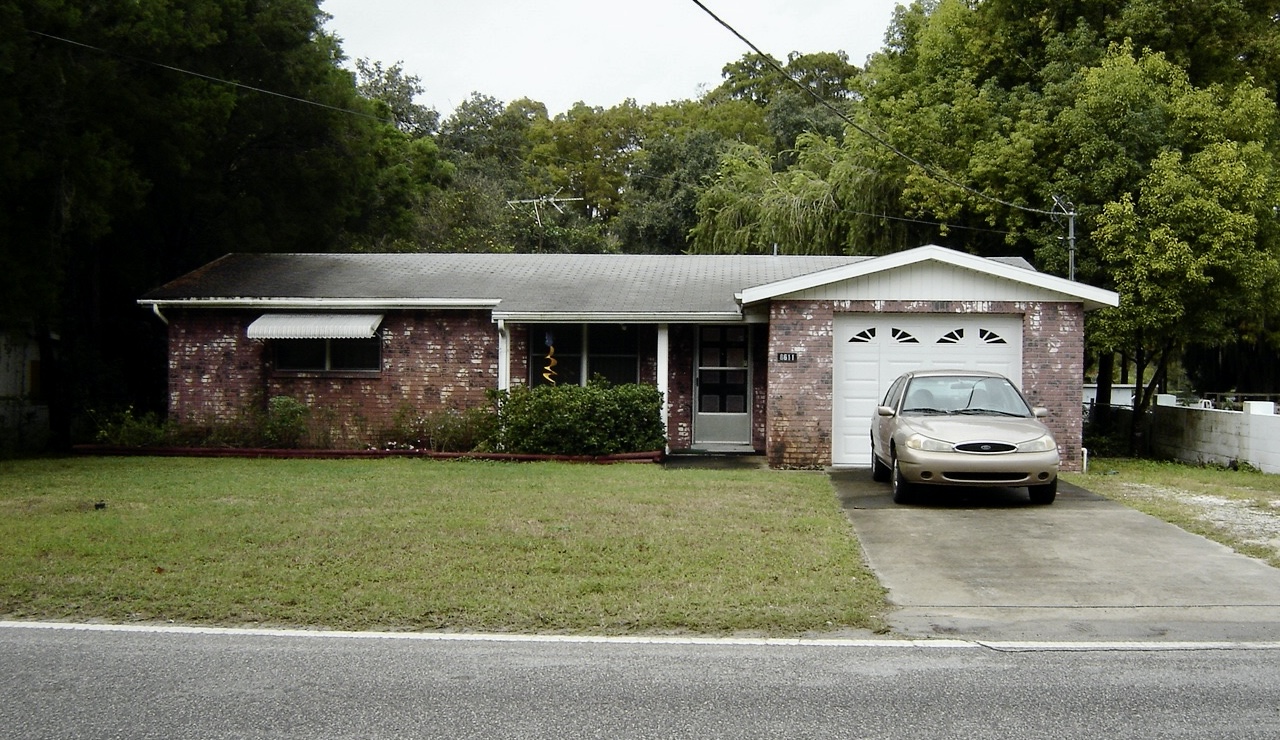
Mid-century modern homes exude charm and character whether they are architect-designed masterpieces or builder-grade homes in subdivisions. However, while their curb appeal may be what first attracted you, many of these homes are now facing the realities of aging infrastructure. Outdated systems can lead to inefficiencies, safety concerns, and higher maintenance costs. Moreover, with the increasing frequency and intensity of natural disasters, such as hurricanes and floods, enhancing resilience is becoming paramount for homeowners. In this article, we explore the key systems to consider upgrading and how incorporating measures like hurricane straps and flood mitigation can fortify your mid-century modern home against potential hazards.
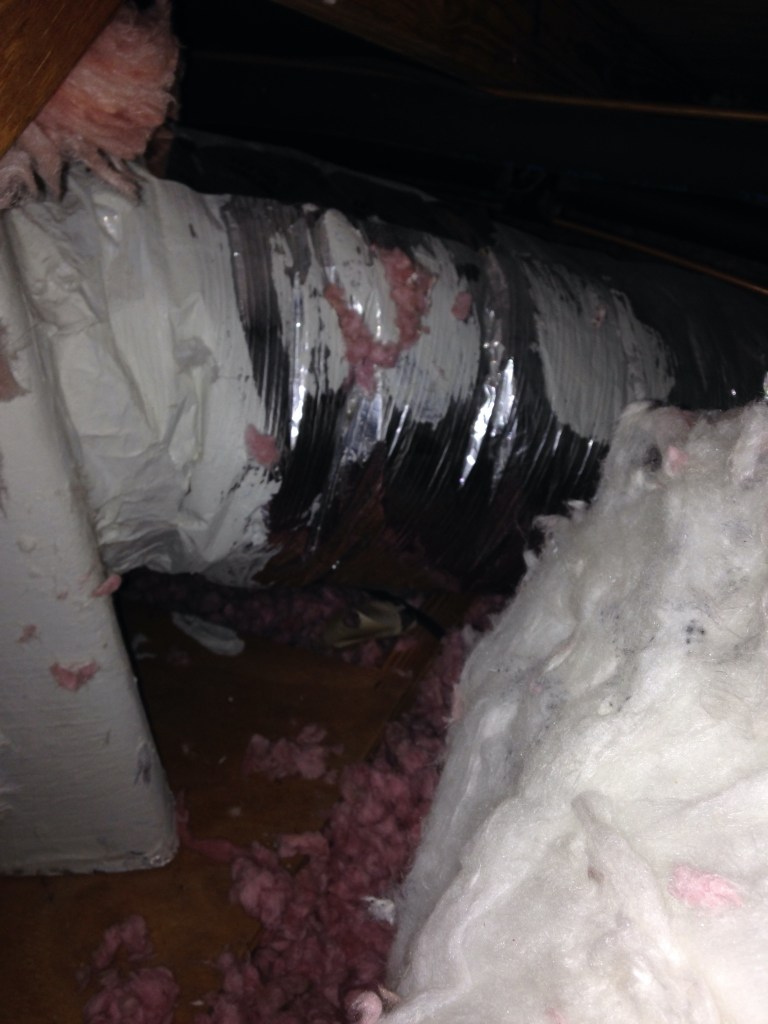
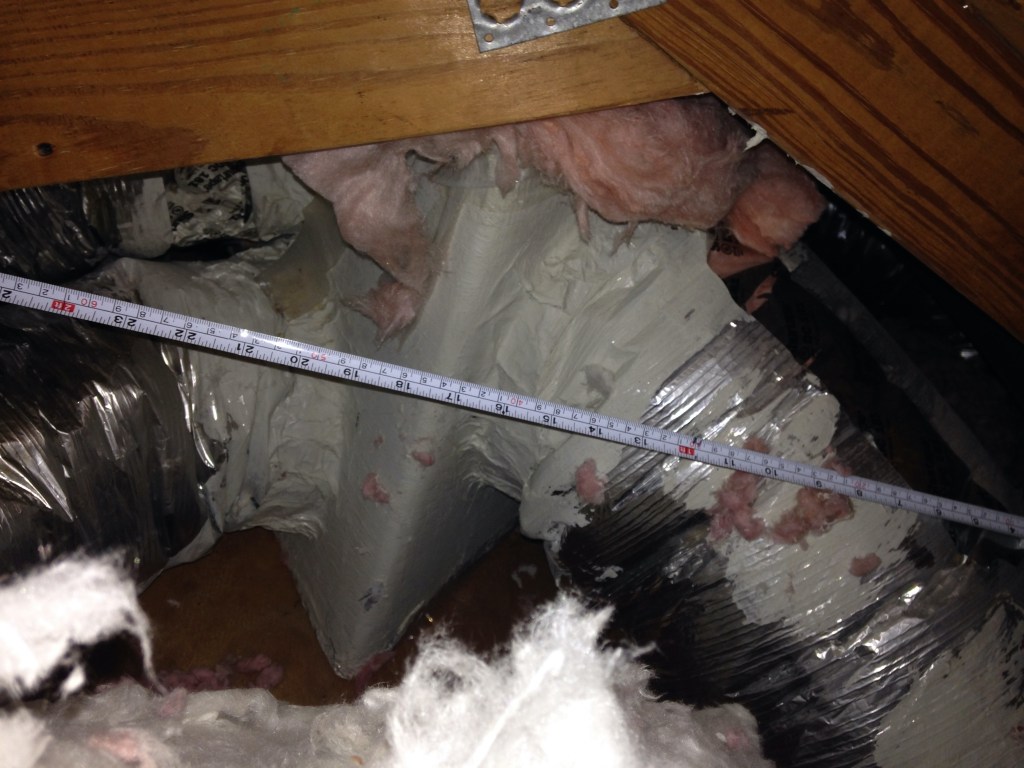
Heating, Ventilation, and Air Conditioning (HVAC) System:
Challenges: Older HVAC systems in mid-century homes often lack energy efficiency and struggle to maintain consistent comfort levels. The ductwork has become tangled and bent, with holes poked in it (or eaten through), and the tape on the connection ends has lost its grip. Let’s not dwell on the fact that there is likely 50 to 80 years’ worth of dust and icky stuff inside the ductwork. Vents are likely in the ceiling along the interior walls. The equipment may be in the ceiling, where it is prone to leak and hard to maintain. There is a single large return duct, usually in the hallway.
Modern Solution: Upgrading to a high-efficiency HVAC system not only improves comfort but also reduces energy bills and environmental impact. Consider options like ductless mini-split systems for targeted temperature control in older additions or garage conversions. Replace the ductwork with insulated ducts, and consider moving the ceiling vents closer to the exterior walls. If you can, move ceiling equipment out of the attic and into a closet; this will make it easier to maintain and access. Although today’s new homes are required to include return ductwork from each room, that can also be added to older homes, too (recommended but not required). If you are keeping the ductwork, at least have it cleaned.
Electrical Wiring and Panels:
Challenges: Outdated electrical systems may pose safety hazards due to overloaded circuits, deteriorating wiring, or inadequate capacity for modern appliances. Older systems may not have a ground, or the ground may just be attached to the garden hose bibb. Electrical panels that have been installed outside or in a garage will have been exposed to saltwater and insects over the years.
Modern Solution: Upgrading to a modern electrical system with updated wiring, circuit breakers, and grounding can enhance safety and accommodate the power demands of contemporary living. Most homes today have 150 to 200 amp panels or higher to accommodate all our modern electronics. Additionally, integrating smart home technology during the upgrade can provide greater control and energy management capabilities. This is also a good time to consider adding a generator for whole-house backup during power outages and after hurricanes.
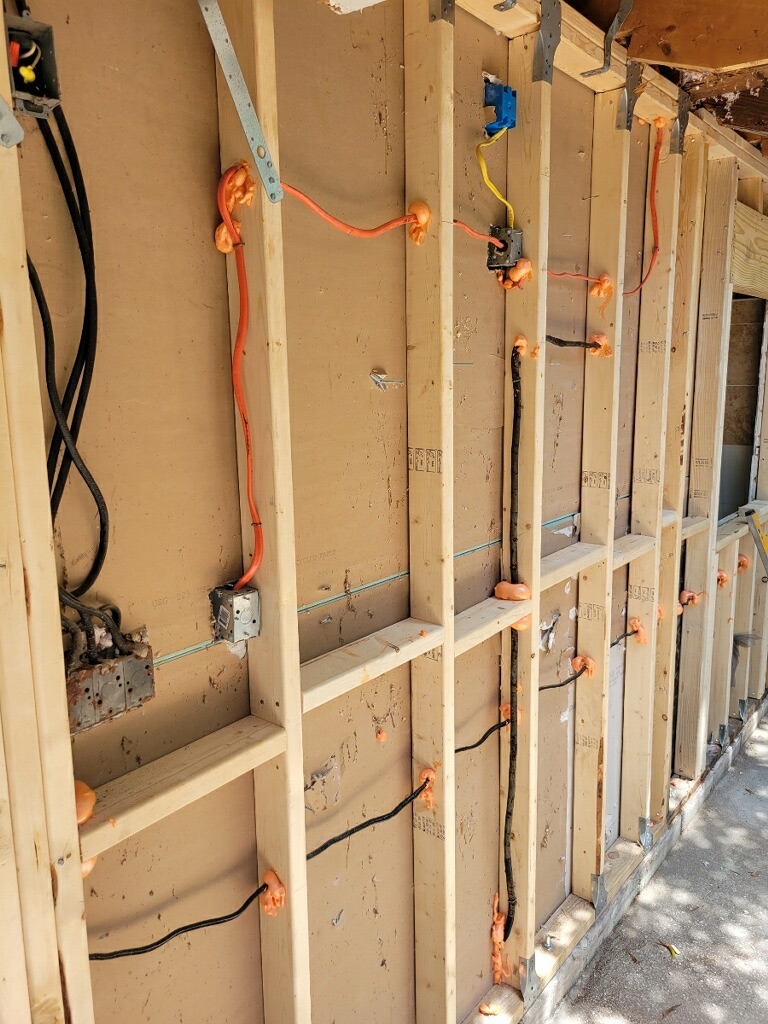
Plumbing System:
Challenges: Aging pipes in mid-century homes are prone to corrosion, leaks, and reduced water pressure, leading to potential water damage and inconvenience. The pipes sit inside the concrete floor slabs, and tree roots crack and block the pipes. Often, the only shut-off valve is outside near the meter in your front yard.
Modern Solution: Replacing old plumbing can improve water quality, reduce the risk of leaks, and enhance overall reliability. Drain pipes may need to be repaired by breaking the concrete slab around them, but they could also just be cleaned and re-lined with plastic. New supply piping (from your water heater to your fixtures) with durable materials like PEX (cross-linked polyethylene) can be installed through your attic. Installing low-flow fixtures and water-saving appliances further boosts efficiency and sustainability. Consider a tankless water heater if your home has gas (they are not as efficient with electricity). And if your water heater is a long way from your new bathroom addition, you might look into a re-circulating pump, so you don’t waste all that water while you wait for it to warm up for your bath or shower.
Roofing and Insulation:
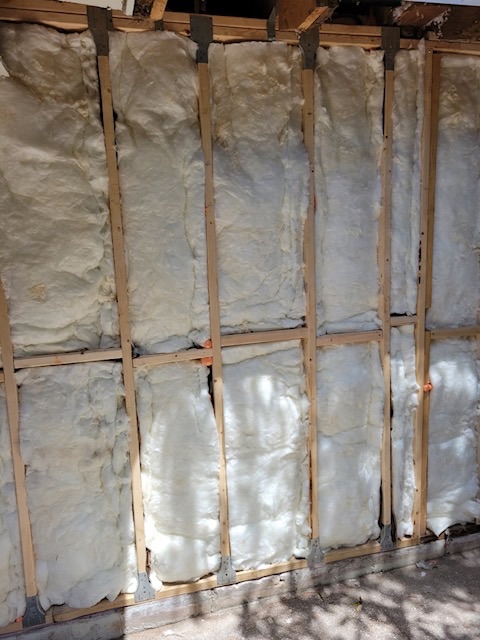
Challenges: Many mid-century homes have newer roofs but original insulation that may have deteriorated over time, resulting in energy loss, moisture infiltration, and structural damage. Often, the insulation has piled up in sections due to maintenance, storage boxes, and critters in the attic.
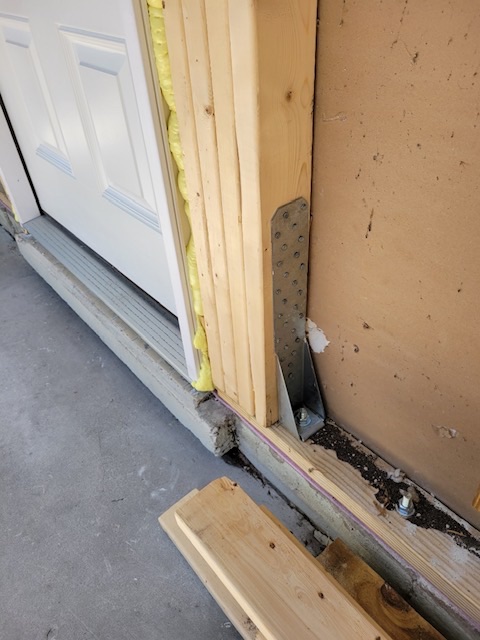
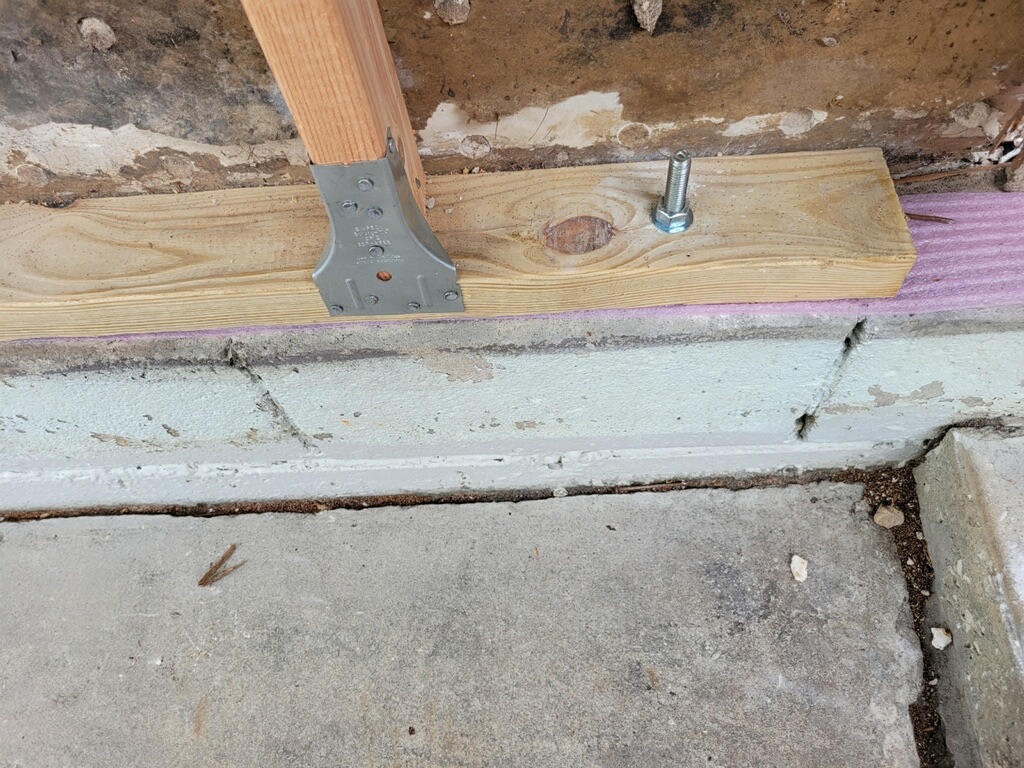
Modern Solution: Upgrading to a new roofing system with high-quality materials such as asphalt shingles, metal roofing, or clay or concrete tiles can enhance durability and curb appeal. Instead of using roofing felt stapled to the wood sheathing, make sure to use a continuously adhered underlayment which will protect your roof even if the roofing peels off in a hurricane. Additionally, adding or upgrading insulation helps regulate indoor temperatures, improve energy efficiency, and minimize noise pollution. The attic/ceiling is the most important location for insulation – second, you can look at adding more insulation to the walls, whether wood frame or concrete block. Incorporating hurricane straps (extra strong to hold the roof rafters or trusses to the top of the exterior walls) and replacing soffits during roof replacement strengthens the roof structure, reducing the risk of damage during hurricanes. You can also add lumber and hurricane straps inside the attic to keep your gable end walls intact.
Windows and Doors:
Challenges: Original windows and doors in mid-century homes often lack insulation and may have single-pane glass, leading to drafts, heat loss, and higher energy bills. Jalousie windows are easily broken into, and awning windows may need to be taped shut so they don’t open in a light breeze. You may have had to install window film or metal awnings outside to keep out the heat and glare.
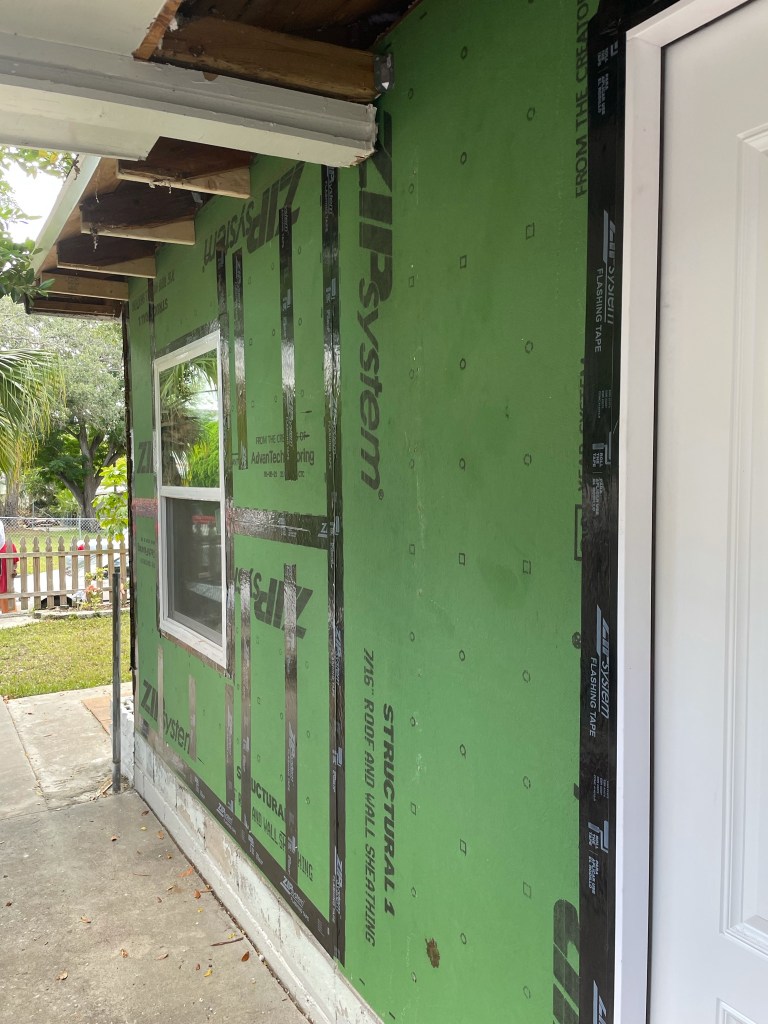
Modern Solution: Replacing old windows and doors with energy-efficient models featuring double-pane or impact glass, low-emissivity coatings, and insulated frames can significantly reduce heat transfer, enhance comfort, and lower heating and cooling costs. Opt for designs that complement the architectural style of your home while improving functionality and security. Fiberglass windows and doors have low maintenance and won’t rust, chip, or color fade. New windows and doors should be installed with appropriate flashing and sealants to keep out water and eliminate drafts, too.
Hurricane Straps and Flood Mitigation:
Enhancing Resilience: In regions prone to hurricanes, installing hurricane straps strengthens the connection between the roof and the walls, providing added protection against high winds and storm damage. The goal is to keep out the rain, too, which will find its way into the attic, wetting the insulation which will collapse the ceiling. Additionally, implementing flood mitigation measures such as elevating HVAC systems (especially the condenser outside), and improving drainage can help minimize the impact of flooding and water intrusion during extreme weather events. Make sure the ground level around your home is lower than the inside floors, and that the ground closest to the walls slopes away from the house for the first 5-10 feet.
Conclusion: Revitalizing a mid-century modern home involves more than just its curb appeal; it’s about ensuring comfort, safety, and resilience for years to come. By replacing major systems with modern counterparts and incorporating measures like hurricane straps and flood mitigation, homeowners can fortify their vintage properties against potential hazards while enhancing efficiency and sustainability. Whether it’s upgrading HVAC, electrical, plumbing, roofing, or windows, investing in these essential updates and resilience measures allows mid-century homes to gracefully transition into the modern era while retaining their distinctive charm and protecting against the challenges of an evolving climate.
Let us know if you would like to talk through upgrading your house with an Architect. Schedule a call on our website!
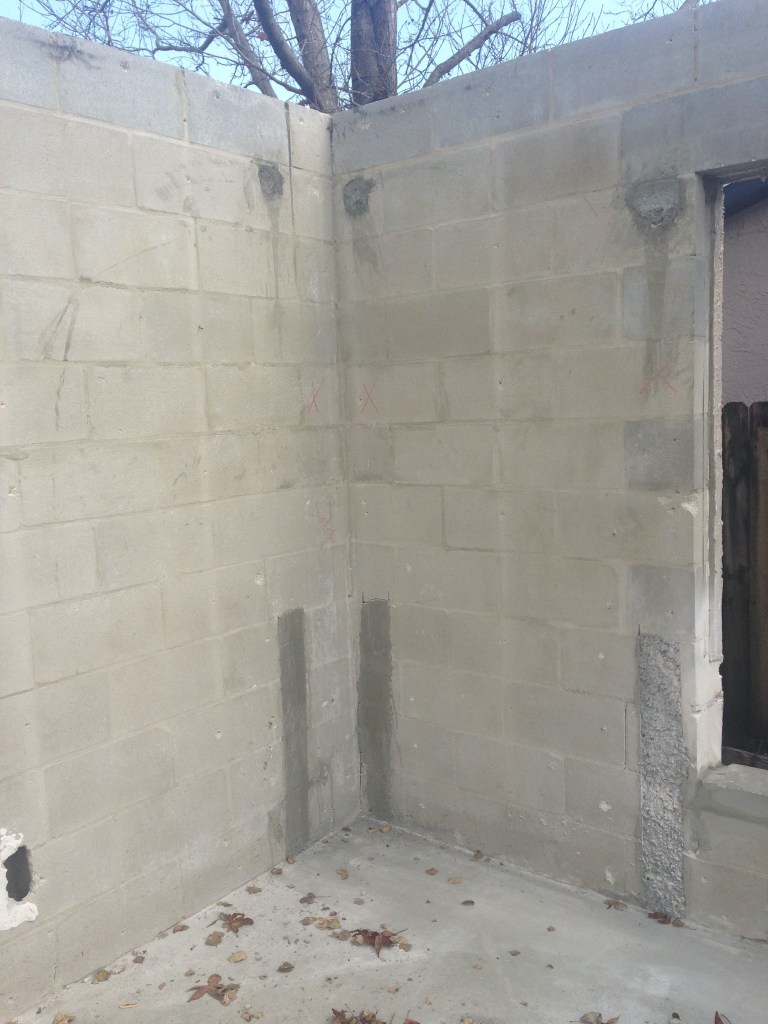
*Featured image was my Auntie’s house in Pasco County, FL. All photos were taken by the Author.
 Design Lines